

Orthodontics Solutions for Common Teeth Alignment Problems
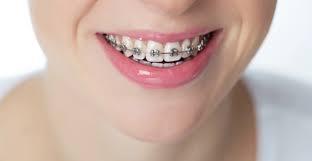
Many people assume Orthodontics is only about straightening teeth for cosmetic reasons. While a straighter smile certainly looks great, orthodontic treatment actually goes far beyond aesthetics.
A common question people search online is: “Can orthodontics fix crooked or misaligned teeth?”
The answer is yes, and in many cases orthodontic care can also improve oral health, chewing ability, and long-term dental stability.
Across Australia, Orthodontics plays a vital role in correcting alignment problems such as overcrowded teeth, gaps, overbites, and underbites. These issues can affect not only appearance but also how the teeth function together.
Modern orthodontic treatments have also come a long way. Today’s solutions include everything from traditional braces to discreet clear aligners designed to fit into busy lifestyles.
In short, Orthodontics helps create healthier smiles by correcting alignment issues before they lead to bigger dental problems.
Let’s explore the most common teeth alignment problems and the orthodontic solutions that can fix them.
Quick Overview
Before diving deeper into the details, here’s a quick snapshot of what Orthodontics can address.
Key Takeaways
-
Orthodontics corrects problems like crooked teeth, bite issues, and overcrowding.
-
Proper alignment improves both oral health and appearance.
-
Early treatment can prevent future dental complications.
-
Modern orthodontic options include braces, aligners, and customised treatment plans.
Think of Orthodontics as structural engineering for your smile.
Instead of fixing problems later, it helps guide teeth into their ideal position from the start.
Curious about the most common alignment problems and how orthodontists fix them? Keep reading.
Common Teeth Alignment Problems Orthodontics Can Fix
Not all smiles are naturally aligned perfectly. In fact, many people experience some form of misalignment.
Orthodontists regularly treat several common issues.
Crooked Teeth
Crooked teeth are one of the most visible alignment problems.
They may occur due to genetics, early tooth loss, or limited space in the jaw.
Crooked teeth can cause:
-
Difficulty cleaning between teeth
-
Increased risk of cavities
-
Uneven tooth wear
Orthodontics helps gradually guide crooked teeth into proper alignment, improving both function and appearance.
Crowded Teeth
Crowding happens when there isn’t enough room in the jaw for teeth to grow normally.
As a result, teeth may overlap or twist out of position.
This can lead to:
-
Plaque build-up
-
Gum irritation
-
Higher cavity risk
Orthodontic treatment creates space and repositions teeth so they sit correctly within the dental arch.
Gaps Between Teeth
While some people love their signature gap, large spaces between teeth can create problems.
Food particles may become trapped easily, increasing the risk of gum disease.
Orthodontics can close unwanted gaps, helping teeth align properly and improving bite stability.
Overbite
An overbite occurs when the upper front teeth overlap the lower teeth excessively.
Mild overbites are common, but severe cases can cause:
-
Jaw discomfort
-
Tooth wear
-
Speech issues
Orthodontic treatments can reposition teeth to balance the bite.
Underbite
An underbite happens when the lower teeth extend past the upper teeth.
This condition may affect chewing and facial balance.
Orthodontic solutions may include braces, aligners, or specialised appliances to gradually shift the bite into a healthier position.
Did You Know?
Research shows that properly aligned teeth are easier to clean and maintain.
This means orthodontic treatment doesn’t just improve smiles.
It can also reduce the long-term risk of:
-
Gum disease
-
Tooth decay
-
Jaw strain
In other words, Orthodontics often supports overall dental health, not just aesthetics.
Modern Orthodontics Treatment Options
Orthodontic technology has advanced significantly in recent years.
Patients today can choose from several treatment options depending on their needs.
Traditional Braces
Metal braces remain one of the most effective orthodontic solutions.
They are particularly useful for complex alignment issues.
Ceramic Braces
These braces function similarly to traditional braces but use tooth-coloured brackets for a more subtle appearance.
Clear Aligners
Clear aligners have become increasingly popular across Australia.
They offer:
-
Removable trays
-
Nearly invisible appearance
-
Comfortable fit
Many adults choose aligners because they blend easily into everyday life.
Pro Tip from Orthodontists
Orthodontic treatment isn’t just for teenagers.
More adults are seeking orthodontic care than ever before.
Modern treatment options allow adults to improve their smile without the noticeable look of traditional braces.
Quick Guide: When Teeth Alignment Starts Causing Problems
Imagine noticing that your teeth feel crowded or your bite doesn’t feel quite right when chewing.
At first, it might seem like a minor issue. But over time, misalignment can lead to bigger concerns.
Common Challenges
Many people experience questions like:
-
“Are crooked teeth just cosmetic?”
-
“Will my bite problem get worse over time?”
-
“Is orthodontic treatment worth it as an adult?”
These are common concerns orthodontists hear from patients.
How to Solve It
Schedule an Orthodontic Assessment
A consultation can identify alignment issues early.
Explore Treatment Options
Orthodontists offer braces, aligners, or customised treatment plans.
Maintain Consistent Dental Hygiene
Proper brushing and flossing support orthodontic treatment success.
Follow Professional Guidance
Regular check-ups ensure treatment progresses correctly.
Why It Works
Addressing alignment issues early prevents long-term complications and supports healthier dental function.
Orthodontic treatment gradually improves both bite balance and overall smile structure.
Quick Quiz: Do You Need Orthodontic Treatment?
Answer these questions:
-
Are your teeth crowded or overlapping?
-
Do you have difficulty biting or chewing evenly?
-
Do you notice gaps between your teeth?
-
Does your jaw click or feel uncomfortable?
Results
-
Mostly Yes: An orthodontic consultation may help identify alignment issues.
-
Mostly No: Your teeth may be functioning well, but routine dental check-ups remain important.
Survey: What Matters Most in Orthodontic Treatment?
Different patients value different things when considering Orthodontics.
Which matters most to you?
-
Straighter teeth and improved appearance
-
Better chewing and bite function
-
Discreet treatment options
-
Long-term oral health
Understanding your priorities helps orthodontists recommend suitable solutions.
Frequently Asked Questions About Orthodontics
At what age should orthodontic treatment begin?
Orthodontists often recommend an initial evaluation around age seven.
However, orthodontic treatment can begin at any age depending on the patient’s needs.
How long does orthodontic treatment usually take?
Treatment time varies based on the severity of alignment issues.
Typical orthodontic treatment may last:
-
12 to 24 months for many cases
-
Shorter periods for mild alignment adjustments
Orthodontists provide personalised timelines during consultations.
Are clear aligners as effective as braces?
Clear aligners can be highly effective for mild to moderate alignment issues.
However, more complex problems may still require traditional braces.
An orthodontist can recommend the most appropriate treatment.
Does orthodontic treatment hurt?
Patients may experience mild pressure after adjustments or when switching aligners.
This sensation usually fades within a few days as teeth begin shifting into position.
Is orthodontics purely cosmetic?
Not at all.
While orthodontic treatment improves smile aesthetics, it also supports:
-
Proper bite alignment
-
Easier oral hygiene
-
Reduced dental wear
Many dentists consider Orthodontics a preventive form of dental care.
Conclusion
Teeth alignment problems are more common than many people realise, and they can affect both appearance and oral health. Issues like crooked teeth, crowding, gaps, and bite misalignment may seem minor at first but can lead to long-term complications if left untreated.
Orthodontics offers effective solutions that gradually guide teeth into healthier positions, improving bite balance and making daily oral care easier. With modern treatment options such as braces and clear aligners, orthodontic care has become more comfortable and accessible than ever.
For Australians considering ways to improve their smile or address alignment concerns, orthodontic treatment can be a valuable step toward better dental health and confidence. A professional consultation can help determine the best approach for achieving a well-aligned and healthy smile.

 English
 Arabic
 Spanish
 Portuguese
 Deutsch
 Turkish
 Dutch
Dutch
 Italiano
 Russian
 Romaian
 Portuguese (Brazil)
 Greek
Greek