

Deep Tissue Massage for Athletes: Recovery, Performance, and Injury Prevention
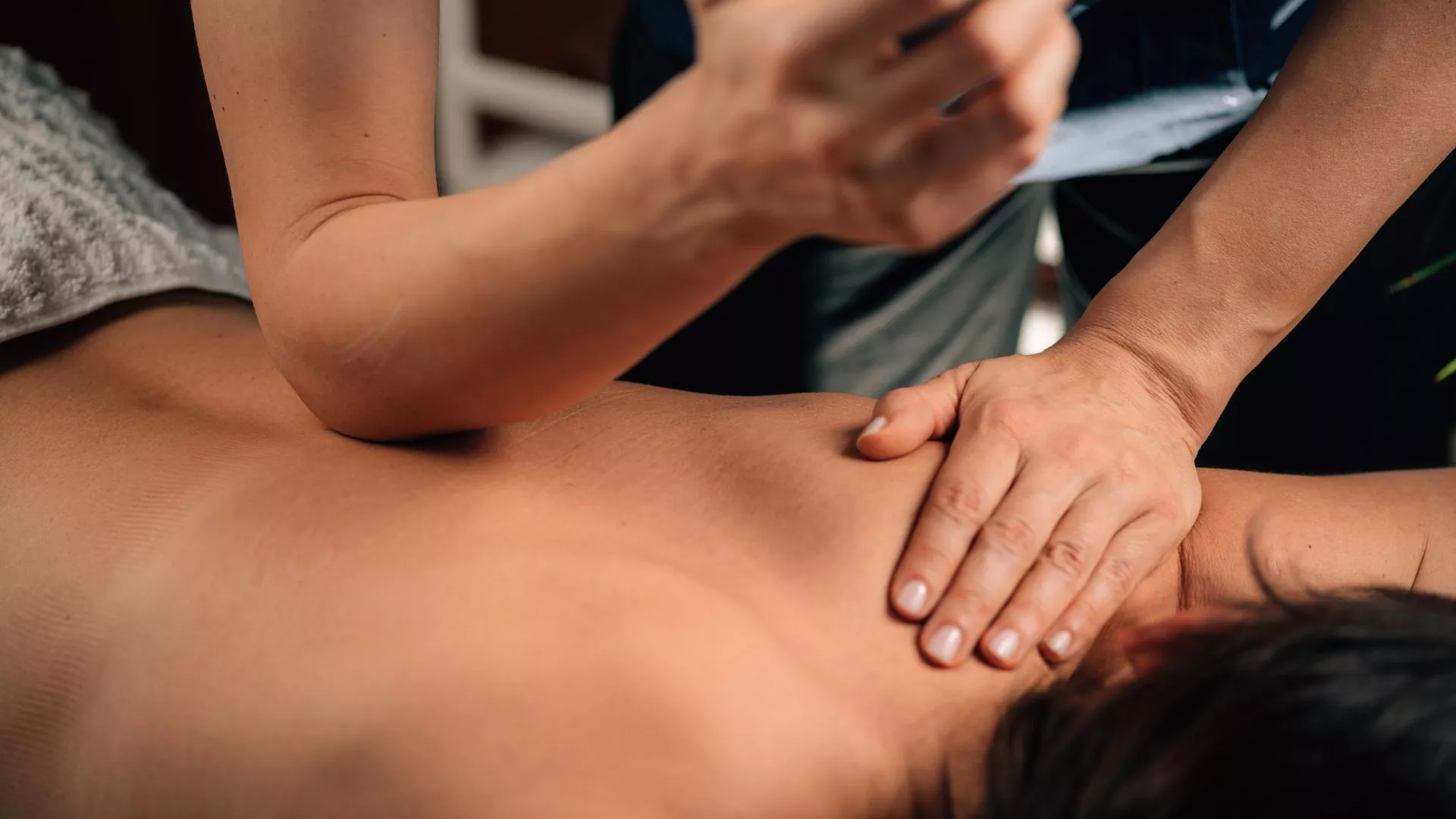
Athletes constantly push their bodies to perform at higher levels. Whether it’s running, strength training, cycling, or team sports, intense physical activity places significant stress on muscles and connective tissues. Over time, that stress can lead to tight muscles, fatigue, reduced mobility, and eventually injuries.
That’s why many athletes now include recovery strategies as part of their training routine. One method gaining popularity across Australia is Deep Tissue Massage.
If you’ve ever wondered “Can Deep Tissue Massage help athletes recover faster and avoid injuries?” the answer is yes. This specialised therapy targets deeper layers of muscle and fascia to relieve tension, improve circulation, and support muscle repair.
For athletes who train regularly, Deep Tissue Massage isn’t just about relaxation. It’s about improving recovery, enhancing performance, and preventing injuries before they happen.
Quick Overview
Deep Tissue Massage is a targeted therapy designed to treat muscle tension, tight connective tissue, and movement restrictions caused by intense physical activity.
Key benefits for athletes include:
-
Reducing muscle stiffness after training
-
Improving blood circulation and recovery
-
Breaking down muscle adhesions and scar tissue
-
Increasing flexibility and mobility
-
Helping prevent overuse injuries
Unlike light relaxation massage, Deep Tissue Massage focuses on specific muscle groups that experience the most strain during training.
Many athletes in Australia now use this therapy as part of their recovery and performance strategy, alongside stretching, strength training, and proper nutrition.
Want to dive deeper into how Deep Tissue Massage helps athletes perform better? Keep reading.
Why Athletes Experience Muscle Tightness
Training causes microscopic damage to muscle fibres. This is normal and necessary for growth, but the body must repair those tissues properly.
Without effective recovery, several problems can occur:
Repetitive Stress
Athletes often repeat the same movements hundreds or thousands of times during training.
Examples include:
-
running strides
-
swimming strokes
-
cycling rotations
-
weightlifting repetitions
These repeated movements can create muscle imbalances and tension.
Muscle Adhesions
When muscles experience stress or minor injuries, fibres can stick together, forming tight areas known as adhesions.
These restrict movement and can cause pain during exercise.
Delayed Recovery
Without proper recovery methods, muscles stay tight longer and fatigue builds up over time.
Eventually, the body begins compensating in ways that increase injury risk.
In short: muscles that don’t recover properly start working inefficiently.
How Deep Tissue Massage Helps Athletes
Deep Tissue Massage focuses on the deeper layers of muscle and fascia where chronic tension and adhesions often develop.
Here’s how it supports athletic recovery.
1. Releasing Deep Muscle Tension
Athletes frequently develop tight areas within large muscle groups like the calves, hamstrings, and shoulders.
Deep Tissue Massage applies firm pressure and slow strokes to release these areas.
The result:
-
improved muscle elasticity
-
reduced stiffness
-
greater range of motion
2. Improving Blood Circulation
Massage stimulates blood flow through the muscles.
Better circulation helps deliver:
-
oxygen
-
nutrients
-
repair proteins
This accelerates recovery after intense workouts.
3. Breaking Down Scar Tissue
Old injuries or repetitive strain can create small areas of scar tissue.
Deep Tissue Massage helps break down these restrictions, allowing muscles to move more freely.
Did You Know?
Scar tissue can reduce flexibility even after an injury has healed.
4. Supporting Mobility and Flexibility
When muscles are tight, joints cannot move through their full range.
Deep Tissue Massage reduces restrictions and allows athletes to move more efficiently.
Better movement = better performance.
Pro Tip
Many athletes schedule Deep Tissue Massage during recovery days rather than immediately before competitions.
Heavy treatment right before a race or event can leave muscles temporarily sore.
Timing matters.
Quick Guide: Using Deep Tissue Massage for Sports Recovery
The Situation
You train regularly and notice your muscles feel tight, especially after intense sessions. Stretching helps a little, but the stiffness always returns.
Common Challenges
-
Why do my muscles stay sore days after training?
-
Why does my flexibility seem to decrease during heavy training weeks?
-
Why do small muscle aches keep appearing in the same areas?
How to Solve It
Target Problem Areas
A therapist can focus on specific muscles that experience the most strain during your sport.
Improve Muscle Recovery
Deep Tissue Massage improves blood circulation, helping muscles repair faster.
Restore Movement Patterns
Releasing tight tissue allows muscles and joints to move more efficiently.
Prevent Small Problems from Growing
Treating tension early reduces the risk of strains and injuries.
Why It Works
When muscles recover properly between training sessions, athletes can maintain consistent performance and reduce injury risk.
Deep Tissue Massage for Different Types of Athletes
Different sports create stress in different muscle groups.
Here are a few examples.
Runners
Common problem areas:
-
calves
-
hamstrings
-
hips
Deep Tissue Massage helps improve stride efficiency and reduce tightness.
Gym and Strength Athletes
Heavy lifting often leads to tension in:
-
shoulders
-
lower back
-
chest muscles
Massage helps restore flexibility and reduce muscle fatigue.
Cyclists
Long hours on the bike place stress on:
-
hip flexors
-
quadriceps
-
lower back
Deep Tissue Massage can relieve these areas and improve mobility.
Small Athlete Recovery Quiz
Answer the following questions.
1. Do your muscles still feel tight 48 hours after training?
⬜ Yes
⬜ No
2. Do you regularly feel restricted in certain movements?
⬜ Yes
⬜ No
3. Do you experience recurring soreness in the same muscle groups?
⬜ Yes
⬜ No
4. Do you train more than 3–4 times per week?
⬜ Yes
⬜ No
Results
If you answered yes to two or more questions, your recovery routine might benefit from Deep Tissue Massage.
Quick Survey
Which muscle group feels tight most often after training?
-
calves
-
hamstrings
-
shoulders
-
lower back
-
everything (honesty appreciated)
Athletes commonly report hamstrings and calves as the most frequent problem areas.
Running and jumping do that to people.
How Often Should Athletes Get Deep Tissue Massage?
Frequency depends on training intensity.
General recommendations:
|
Training Level |
Suggested Frequency |
|---|---|
|
Casual fitness |
once per month |
|
Regular athletes |
every 2–3 weeks |
|
Competitive athletes |
weekly or fortnightly |
Recovery routines should be adjusted based on training load and physical stress.
FAQs
Is Deep Tissue Massage painful?
Deep Tissue Massage can feel intense, especially when tight muscles are being treated.
However, the pressure should always remain manageable. Communication with the therapist ensures the treatment stays effective without becoming uncomfortable.
Can Deep Tissue Massage improve athletic performance?
Yes. By improving mobility and reducing muscle tension, athletes can move more efficiently.
This often results in:
-
better flexibility
-
improved training consistency
-
reduced injury risk
Should athletes get Deep Tissue Massage before competition?
Light massage can be helpful before events, but deeper treatment is usually better scheduled during recovery periods.
Heavy treatment immediately before competition can leave muscles slightly tender.
Is Deep Tissue Massage only for professional athletes?
Not at all.
Recreational runners, gym members, and weekend athletes often benefit just as much from Deep Tissue Massage.
Your muscles don’t care whether you’re competing professionally or simply trying to stay active.
Conclusion
Athletes place enormous demands on their bodies, and without proper recovery those demands can lead to persistent muscle tension, fatigue, and injury. While training builds strength and endurance, recovery methods help maintain long-term performance.
Deep Tissue Massage provides a practical solution for athletes looking to improve recovery and prevent injuries. By releasing deep muscle tension, improving circulation, and restoring mobility, it helps muscles function more efficiently during training and competition.
For athletes across Australia, incorporating Deep Tissue Massage into a regular recovery routine can make a significant difference. When muscles recover properly, performance improves, injuries become less likely, and training remains consistent over time.

 English
 Arabic
 French
 Spanish
 Deutsch
 Turkish
 Dutch
Dutch
 Italiano
 Russian
 Romaian
 Portuguese (Brazil)
 Greek
Greek