

Drop, Merge, and Succeed: Your Complete Guide to Watermelon Puzzle Gaming
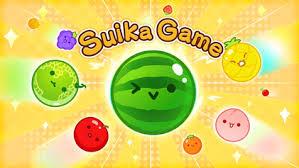
If you've scrolled through gaming communities lately, you've probably noticed a quirky little title taking over: watermelon-themed puzzle games. These aren't your typical match-three experiences. Instead, they offer a surprisingly addictive blend of physics-based gameplay and strategic thinking that keeps players coming back for "just one more round." Let me introduce you to Suika Game, the game that started this delightful trend.
Understanding the Core Concept
At first glance, watermelon puzzles seem simple—almost deceptively so. You're dropping various fruits into a container, and when two identical fruits touch, they merge into a larger one. Sounds basic, right? Here's where it gets interesting: the progression system. Start with small strawberries, and through successful merging, you'll work your way up to grapes, mandarin oranges, lemons, and eventually that coveted watermelon. The ultimate goal is to create the largest possible fruit while managing limited space.
What makes this format so engaging is its perfect balance between luck and strategy. You can't control which fruit appears next—that's determined randomly. However, you absolutely can control where you place it, and that decision-making is everything.
How to Actually Play
The mechanics are refreshingly straightforward. You'll see a designated drop zone at the top of your play area. When you receive a fruit, you position it horizontally across this zone before releasing it. The fruit then falls through your container, guided by physics and gravity, potentially bouncing off other fruits before settling in place.
Once two identical fruits touch, they automatically merge into the next size up. This creates a satisfying cascade effect, especially when you orchestrate multiple merges in succession. It's oddly meditative, watching the fruits settle and combine.
The real challenge emerges as your container fills up. Space becomes increasingly precious. Fruits that could have merged harmlessly might now block critical pathways. A single misplaced piece can create problems that ripple throughout your entire board. This is where the strategic element truly shines.
Your game continues until fruits stack high enough to escape your container boundary. At that point, it's game over. Your final score reflects the highest-tier fruits you've successfully created, with the watermelon representing the ultimate achievement.
Strategic Tips Worth Considering
Think Vertically, Not Horizontally
Most players instinctively spread fruits across the container horizontally. Instead, try thinking about vertical stacking. By building columns strategically, you can merge fruits more efficiently and preserve valuable horizontal space for future drops.
Plan for the Watermelon
Work backward from your goal. The watermelon requires a peach, which requires an apple, which requires an orange, and so forth. Having this progression in mind helps you visualize which fruits deserve prime real estate in your container.
Embrace the Random Element
You'll receive fruits in random order, and that's part of the charm. Rather than getting frustrated by unexpected pieces, see them as puzzles to solve. Often, the "wrong" fruit becomes the catalyst for an innovative solution.
Keep One Column Clear
Always reserve at least one narrow vertical space as an emergency buffer. This gives you flexibility when you receive an awkwardly-placed piece that doesn't immediately fit your plans. Think of it as your strategic safety valve.
Know When to Accept Defeat
Sometimes the board fills up faster than expected. Rather than obsessing over a failing run, accept the outcome and start fresh. Each game provides new learning opportunities and different random fruit sequences to navigate.
Watch the Falling Path
Pay attention to how fruits bounce and settle. Understanding the physics helps you predict landing positions more accurately. A fruit dropped on the far left won't necessarily stay there—it might roll toward the center based on existing fruit arrangements.
Why These Games Work
There's something genuinely satisfying about watching merging animations. The visual feedback is immediate and rewarding. You see the direct result of your decision instantly, which creates a powerful feedback loop that encourages continued play.
The barrier to entry is remarkably low. You don't need extensive tutorials, gaming experience, or quick reflexes. You just need patience and a willingness to think spatially. This accessibility explains why watermelon puzzles have such broad appeal—from casual gamers to seasoned puzzle enthusiasts.
Additionally, these games respect your time. A typical session lasts five to fifteen minutes, making them perfect for breaks between other activities. There's no pressure to maintain lengthy gaming sessions or worry about time investment.
Final Thoughts
Suika Game and similar watermelon puzzles represent something refreshing in modern gaming—simple mechanics executed exceptionally well, combined with genuine strategic depth. They don't require flashy graphics, complex narratives, or grinding systems. Instead, they focus on core gameplay that's satisfying from the first attempt.
Whether you're seeking a relaxing distraction or a genuine puzzle challenge, these games deliver on both fronts. Give yourself permission to experience a few rounds without pressure. You'll quickly understand why so many players find themselves drawn back for repeated attempts.
The beauty of watermelon puzzles lies in their elegant simplicity masking surprising complexity. That's the sweet spot where memorable gaming experiences happen. Drop a fruit, watch it fall, merge what you can, and enjoy the peaceful problem-solving that follows.

 English
 Arabic
 French
 Spanish
 Portuguese
 Deutsch
 Dutch
Dutch
 Italiano
 Russian
 Romaian
 Portuguese (Brazil)
 Greek
Greek