

Understanding the Role of a Beer Bottle Supplier in the U.S. Beverage Industry
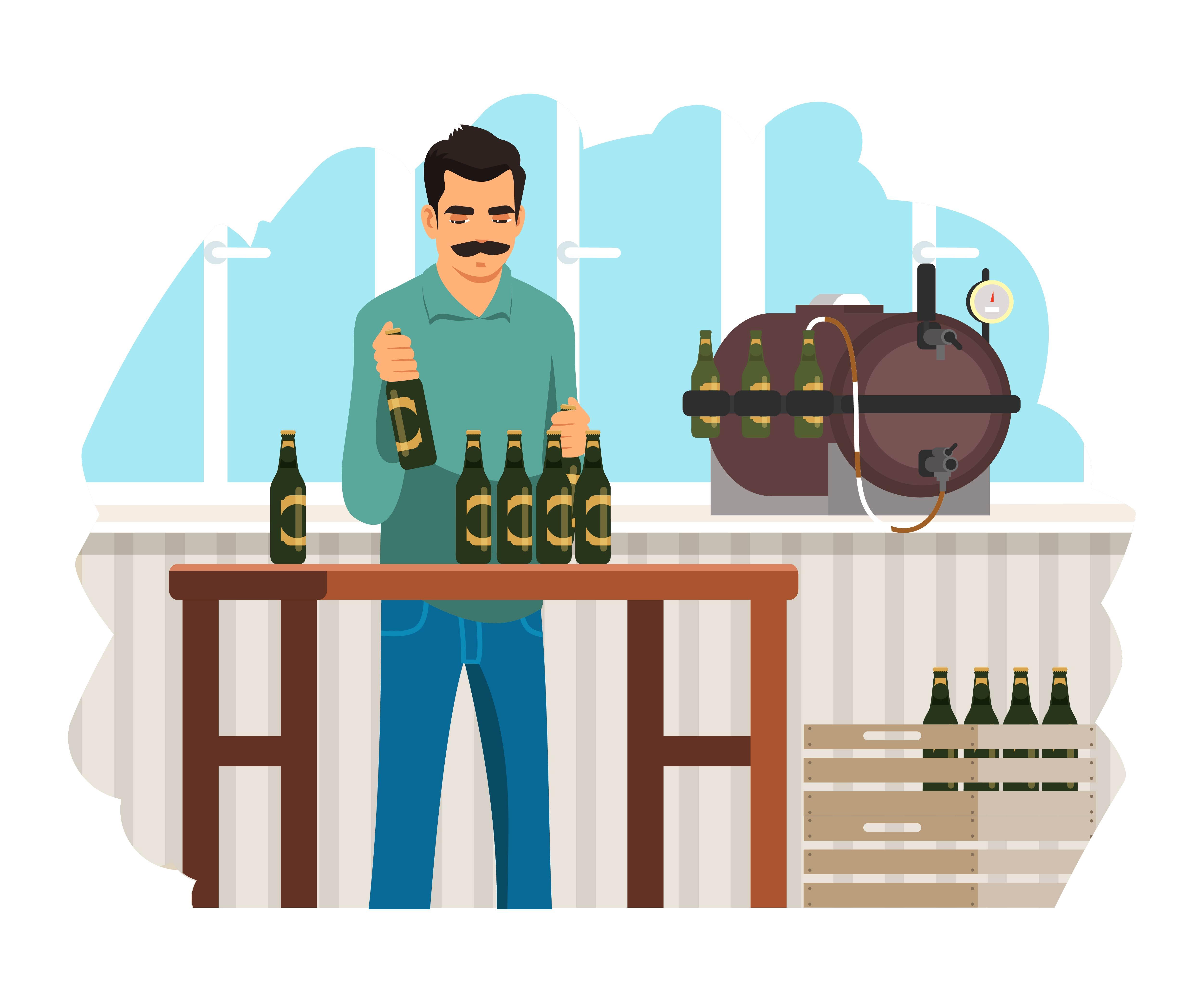
The beverage industry in the United States is a complex and highly competitive ecosystem, where packaging plays a crucial role in product identity, safety, and distribution efficiency. Among the various components of packaging, glass bottles remain a preferred choice for beer producers due to their durability, recyclability, and ability to preserve flavor. At the center of this supply chain is the beer bottle supplier, a key partner that ensures breweries have access to high-quality containers that meet both functional and regulatory requirements.
The Importance of Glass Bottles in Beer Packaging
Glass bottles have long been associated with beer consumption, offering both practical and aesthetic advantages. Unlike other packaging materials, glass is non-porous and impermeable, meaning it does not interact chemically with the beer inside. This ensures that the flavor profile remains consistent from production to consumption. Additionally, glass provides an excellent barrier against oxygen and carbon dioxide exchange, which is critical for maintaining carbonation and preventing spoilage.
A beer bottle supplier is responsible for producing and delivering bottles that meet strict quality standards. These bottles must be able to withstand pressure from carbonation, temperature changes during storage and transport, and handling throughout the distribution process. As a result, the supplier plays a vital role in maintaining the integrity of the final product.
Types of Beer Bottles Supplied
In the U.S. market, a beer bottle supplier typically offers a range of bottle types to accommodate different brewing needs. These include standard long-neck bottles, stubby bottles, and specialty bottles used for craft or limited-edition brews. Each type serves a specific purpose, whether it is ease of handling, branding differentiation, or compatibility with automated bottling lines.
Color is another important consideration. Amber bottles are the most commonly supplied because they provide superior protection against ultraviolet (UV) light, which can degrade beer and create off-flavors. Green and clear bottles are also available, though they are generally used for specific styles or marketing purposes. The supplier must ensure consistent coloration and thickness to meet industry standards.
Manufacturing Process and Quality Control
The production of glass bottles involves a highly controlled manufacturing process. Raw materials such as silica sand, soda ash, and limestone are melted at high temperatures to form molten glass. This molten material is then shaped using molds to create bottles of precise dimensions. Once formed, the bottles undergo a cooling process known as annealing, which strengthens the glass and reduces internal stress.
A beer bottle supplier must implement rigorous quality control measures throughout this process. Inspections are conducted to identify defects such as cracks, bubbles, or inconsistencies in thickness. Advanced technologies, including automated inspection systems, are often used to ensure that each bottle meets the required specifications. Consistency is critical, especially for breweries that rely on high-speed bottling operations.
Supply Chain and Logistics
The logistics involved in supplying beer bottles are complex and require careful coordination. Bottles are bulky and fragile, making transportation a significant challenge. A beer bottle supplier must optimize packaging and shipping methods to minimize breakage while maintaining cost efficiency.
In the United States, suppliers often operate multiple distribution centers to ensure timely delivery across different regions. This is particularly important for breweries that operate on tight production schedules. Delays in bottle supply can disrupt the entire brewing process, leading to financial losses and missed market opportunities.
Additionally, many suppliers offer inventory management solutions to help breweries maintain optimal stock levels. This can include forecasting demand, managing warehouse storage, and coordinating deliveries to align with production cycles.
Sustainability and Environmental Considerations
Sustainability has become a major focus in the beverage industry, and the role of a beer bottle supplier is evolving to meet these expectations. Glass is inherently recyclable, and many suppliers are increasing the use of recycled materials, known as cullet, in their production processes. This reduces the need for raw materials and lowers energy consumption.
In the U.S., there is also a growing emphasis on lightweight bottle design. By reducing the amount of glass used in each bottle, suppliers can decrease transportation costs and carbon emissions. However, this must be balanced with the need to maintain structural integrity.
Some suppliers are also exploring reusable bottle systems, where bottles are collected, cleaned, and refilled multiple times. While this approach is more common in other regions, it is gradually gaining attention in the U.S. market as part of broader sustainability initiatives.
Regulatory Compliance
The beer industry in the United States is subject to strict regulations, and packaging is no exception. A beer bottle supplier must ensure that its products comply with all relevant standards, including those set by federal and state authorities. This includes requirements related to material safety, labeling compatibility, and environmental impact.
For example, bottles must be compatible with labeling systems that include mandatory information such as alcohol content and health warnings. The supplier must also adhere to safety standards that prevent contamination and ensure consumer protection.
Compliance extends to environmental regulations as well. Suppliers are required to manage emissions, waste, and recycling processes in accordance with federal guidelines. Failure to meet these standards can result in penalties and reputational damage.
Supporting Craft Breweries
The rise of craft breweries in the United States has created new opportunities and challenges for a beer bottle supplier. Unlike large-scale producers, craft breweries often require smaller production runs and more customized bottle designs. This includes unique shapes, embossed logos, and specialized finishes that help differentiate their products in a crowded market.
Suppliers must be flexible and responsive to these needs, offering solutions that accommodate lower volumes without compromising quality. This has led to the development of more adaptable manufacturing processes and shorter lead times.
At the same time, craft breweries often place a strong emphasis on sustainability and local sourcing. A beer bottle supplier that can align with these values is better positioned to serve this growing segment of the market.
Technological Advancements
Technology is playing an increasingly important role in the operations of a beer bottle supplier. Automation and data analytics are being used to improve efficiency, reduce waste, and enhance product quality. For example, smart manufacturing systems can monitor production in real time, allowing for immediate adjustments to maintain consistency.
Digital tools are also being used to streamline communication and coordination with breweries. This includes online ordering systems, inventory tracking, and demand forecasting. By leveraging these technologies, suppliers can provide more reliable and responsive service.
Innovation is also evident in the development of new materials and coatings that enhance the performance of glass bottles. These advancements can improve durability, reduce weight, and offer additional protection against external factors.
Challenges Facing Beer Bottle Suppliers
Despite their critical role, beer bottle suppliers face several challenges in the U.S. market. Fluctuations in raw material costs, energy prices, and transportation expenses can impact production and pricing. Additionally, supply chain disruptions, such as those caused by global events or labor shortages, can create uncertainty.
There is also increasing competition from alternative packaging options, including aluminum cans and plastic containers. While glass remains a preferred choice for many breweries, suppliers must continue to innovate to maintain its relevance.
Another challenge is balancing customization with scalability. As demand for unique bottle designs grows, suppliers must find ways to deliver these options efficiently without significantly increasing costs or lead times.
Conclusion
A beer bottle supplier is an essential component of the U.S. beer industry, providing the containers that protect, preserve, and present one of the nation’s most popular beverages. From manufacturing and quality control to logistics and sustainability, the supplier’s role is multifaceted and continually evolving.
As the industry adapts to changing consumer preferences, environmental concerns, and technological advancements, the importance of reliable and innovative suppliers will only increase. By meeting the diverse needs of breweries while maintaining high standards of quality and compliance, a beer bottle supplier contributes significantly to the success and resilience of the broader beverage market.

 English
 Arabic
 French
 Spanish
 Portuguese
 Deutsch
 Turkish
 Dutch
Dutch
 Italiano
 Russian
 Romaian
 Greek
Greek