

Robust Growth and Dynamics in the Insulated Packaging Market
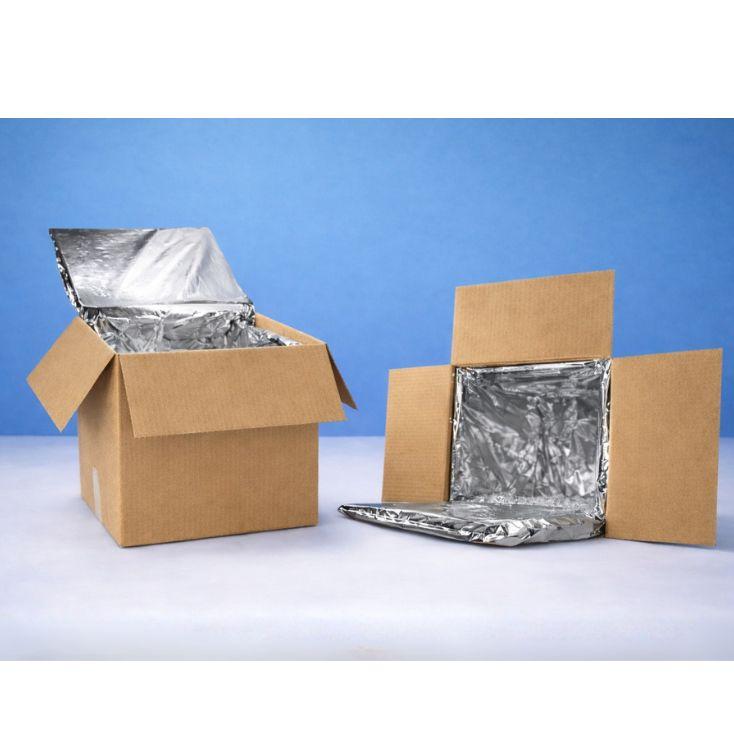
The insulated packaging market is experiencing rapid expansion driven by increasing demand for temperature-sensitive goods and enhanced logistics solutions. Industry stakeholders are leveraging technological advancements and sustainability trends to capitalize on evolving market dynamics, which are crucial for maintaining competitive advantage and business growth.
Market Size and Overview
The Global Insulated Packaging Market is estimated to be valued at USD 17.71 Bn in 2026 and is expected to reach USD 29.00 Bn by 2033, growing at a compound annual growth rate (CAGR) of 7.3% from 2026 to 2033.
The growing need for cold chain solutions in pharmaceuticals, food & beverage, and e-commerce sectors fuels this Insulated Packaging Market Growth. Market trends point to innovations in eco-friendly materials and thermal insulation technologies as pivotal factors shaping the insulated packaging market revenue and industry size. Market insights reveal that regional adoption rates and customization capabilities are significant drivers enhancing the overall market scope.
Current Event & Its Impact on Market
I. Advances in Sustainable Packaging and Regulatory Shifts
A. Implementation of stricter environmental regulations in Europe and North America—Potential impact: Accelerates adoption of biodegradable and recyclable insulated packaging solutions, expanding the market revenue through new market segments.
B. Nanotechnology innovations in insulation materials—Potential impact: Enhances product performance, reducing thermal transfer and packaging volume, thus influencing market growth strategies and market dynamics positively.
C. Surge in e-commerce-driven demand post-pandemic—Potential impact: Spurs increased demand for insulated packaging, particularly in last-mile delivery and cold chain logistics, broadening market size and business growth possibilities.
II. Geopolitical Instability and Supply Chain Disruptions
A. Trade restrictions and tariffs between major economies including China and the US—Potential impact: Introduce cost variability and delays, affecting the availability of crucial raw materials and market growth challenges.
B. COVID-19 variant outbreaks in Southeast Asia impacting manufacturing hubs—Potential impact: Supply chain interruptions lead to fluctuating market revenue and slower market forecast realization in short term.
C. Rising fuel costs and inflation pressures globally—Potential impact: Increasing transportation costs increase overall product pricing, impacting market share distribution and necessitating innovation in cost-efficiency.
Impact of Geopolitical Situation on Supply Chain
The 2025 prolonged trade tensions between North America and Asia dramatically affected insulated packaging supply chains, predominantly in sourcing advanced thermal materials. A real-world case is the north-south Asian shipping route disruption due to territorial conflicts, which delayed raw material deliveries for major packaging companies, elevating lead times by 30%. This led to increased production costs, unhappy clients, and forced many market players to diversify suppliers or localize manufacturing, highlighting essential market challenges and necessitating adaptive market growth strategies.
SWOT Analysis
- Strengths
- Rapid technological advancements in insulation materials improving performance and sustainability (2025 data).
- Significant market revenue growth fueled by expanding cold chain logistics in pharmaceuticals and perishables.
- Weaknesses
- High dependency on raw material suppliers in geopolitically sensitive regions, causing supply chain vulnerabilities.
- Elevated production costs associated with advanced eco-friendly materials affecting pricing competitiveness.
- Opportunities
- Rising adoption of smart packaging integrated with IoT for temperature monitoring offers new market segments.
- Expansion into emerging markets with increasing demand for temperature-sensitive consumables opens substantial market opportunities.
- Threats
- Regulatory complexities and frequent updates on packaging waste management could restrain market growth.
- Intensifying competition from alternative packaging technologies may limit industry share growth potential.
Key Players
- Microsoft Corp.
- IBM
- Cisco Systems
- SAP SE
- VMware, Inc.
- Others operational in related supply chain technologies also influence the insulated packaging market dynamics.
In 2025, Microsoft Corp. and IBM forged strategic partnerships to develop AI-driven supply chain analytics platforms, resulting in enhanced demand forecasting accuracy, directly benefiting insulated packaging market growth strategies. Similarly, Cisco Systems and VMware, Inc. have focused on innovating IoT-enabled packaging solutions, improving real-time monitoring and product traceability, which has optimized logistics and supported sustainable business growth. SAP SE invested in blockchain-based transparency tools to enhance customer trust and regulatory compliance efficiency across the packaging value chain.
FAQs
1. Who are the dominant players in the insulated packaging market?
The market is led by technology giants like Microsoft Corp., IBM, Cisco Systems, SAP SE, and VMware, Inc., who contribute through software solutions and IoT innovations that support insulated packaging logistics and supply chain efficiency.
2. What will be the size of the insulated packaging market in the coming years?
The insulated packaging market size is projected to increase from USD 8.38 billion in 2026 to USD 68.84 billion by 2033, reflecting a robust CAGR of 35% driven by rising industry trends and market drivers.
3. Which end users industry has the largest growth opportunity?
Pharmaceuticals and perishable food sectors show the largest growth opportunities due to stringent temperature control requirements and expanded cold chain supply demands.
4. How will market development trends evolve over the next five years?
Market trends indicate enhanced focus on sustainable materials, smart packaging integration with IoT, and regional manufacturing to mitigate supply chain risks, all driving intensified market growth and expanded market scope.
5. What is the nature of the competitive landscape and challenges in the insulated packaging market?
The competitive landscape is marked by rapid technological innovation and strategic partnerships, challenged by regulatory constraints, raw material supply volatility, and cost pressure.
6. What go-to-market strategies are commonly adopted in the insulated packaging market?
Market players leverage collaborations, investments in R&D for innovative materials, digital solutions for supply chain transparency, and regional diversification strategies to seize market opportunities and sustain market share.
‣ Get more insights on : Insulated Packaging Market
‣ Get this Report in Japanese Language: 断熱包装市場
‣ Get this Report in Korean Language: 단열포장시장
Author Bio:
Money Singh is a seasoned content writer with over four years of experience in the market research sector. Her expertise spans various industries, including food and beverages, biotechnology, chemical and materials, defense and aerospace, consumer goods, etc.

 English
 Arabic
 French
 Spanish
 Portuguese
 Deutsch
 Turkish
 Dutch
Dutch
 Russian
 Romaian
 Portuguese (Brazil)
 Greek
Greek