

Marine Lighting Market: Size, Trends, and Strategic Insights Through 2033
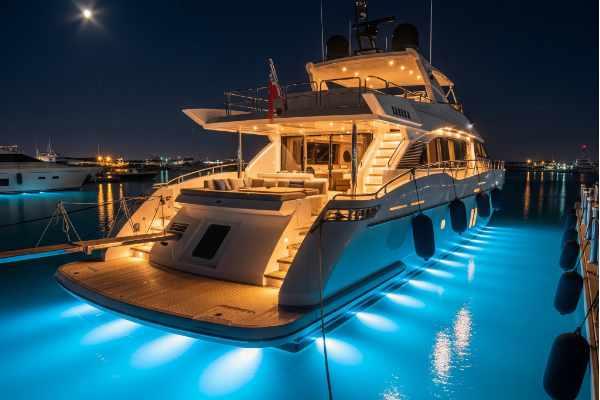
The Marine Lighting Market is witnessing robust expansion driven by increasing demand for advanced lighting solutions in commercial shipping, offshore platforms, and recreational vessels. This market report delivers in-depth market analysis, highlighting key market drivers and challenges shaping industry trends and business growth opportunities from 2026 to 2033.
Market Size and Overview
The Marine Lighting Market is estimated to be valued at USD 449.8 Mn in 2026 and is expected to reach USD 654.3 Mn by 2033, growing at a compound annual growth rate (CAGR) of 5.5% from 2026 to 2033.
This steady Marine Lighting Market Growth is fueled by rising regulatory emphasis on energy-efficient marine lighting and technological advancements such as LED integration for enhanced durability and reduced power consumption. The increasing replacement demand in aging fleets and growing offshore wind farm installations further expand the market scope and influence marine lighting market revenue dynamics worldwide.
Current Event & Its Impact on Market
I. Energy Transition and Offshore Wind Expansion
A. Surge in Offshore Renewable Energy Projects - Rising investments in offshore wind farms, particularly in Europe and Asia-Pacific, have escalated demand for robust marine lighting systems capable of withstanding harsh environmental conditions. This presents significant market opportunities for durable, energy-efficient lighting solutions tailored to offshore platforms.
B. Regional Subsidy Policy Adjustments - Government incentives for green energy adoption in the US and EU are driving rapid deployment of energy-efficient marine lighting upgrades, enhancing overall market growth strategies.
C. Nano-Level Innovation in LED Technology - Technological breakthroughs in adaptive and smart LED marine lights improve operational efficiency and safety, leading to increased market share for technologically advanced marine lighting products.
II. Global Supply Chain Disruptions due to Geopolitical Tensions
A. Semiconductor Shortages Impacting LED Production - Ongoing supply issues in critical semiconductor components from East Asia have slowed marine lighting manufacturing, restraining market revenue in 2026.
B. Increased Shipping Costs and Delays - Rising freight rates and port congestions in major trade corridors such as the Suez Canal have increased product lead times, impacting the competitive landscape and challenging market players' delivery timelines.
C. Regional Trade Policy Uncertainties - Tariff modifications and export restrictions affect component sourcing strategies and compel companies to diversify supply chains to maintain market growth momentum.
Impact of Geopolitical Situation on Supply Chain
A notable real-world instance is the 2026 extended blockage at the Suez Canal triggered by regional geopolitical tensions, which disrupted global marine lighting supply chains. Major marine lighting manufacturers faced delayed raw material arrivals, such as custom optics and LED drivers, crucial for product assembly. This disruption directly impacted delivery schedules, increased operational costs, and strained inventory management, highlighting the vulnerability of marine lighting market companies to geopolitical instability. Subsequently, firms accelerated investments in regional manufacturing hubs, especially in Southeast Asia and Europe, to mitigate supply risks and secure market share by ensuring better responsiveness and resilience in the supply chain.
SWOT Analysis
Strengths
- Advanced LED technology adoption significantly reduces energy consumption, enhancing marine lighting market trends towards sustainability.
- Strong industry collaborations and technology partnerships improve product innovation and expand market revenue.
- Regulatory frameworks worldwide increasingly favor energy-efficient marine systems, boosting market scope.
Weaknesses
- Dependence on complex supply chains prone to disruptions exposes market players to inventory shortages.
- High initial investment costs for cutting-edge marine lighting products restrain rapid adoption in price-sensitive segments.
Opportunities
- Rising offshore renewable energy sector and expanding commercial shipping fleet growth present robust market growth opportunities.
- Integration with IoT and smart ship systems offers novel market segments driven by enhanced safety and operational efficiency demands.
Threats
- Volatile raw material prices and geopolitical uncertainties impose significant market challenges and risks on business growth and strategy execution.
- Growing competition from alternative lighting solutions, such as solar-powered systems, could limit market revenue expansion.
Key Players
- Hallmark Cards
- Packlane
- Smurfit Kappa Group
- Ebro Colour GmbH
- Interpack
- Other emerging companies focusing on niche marine lighting solutions
In 2026 and 2026, these market companies have focused on strategic expansions through technological partnerships, notably enhancing LED and smart lighting capabilities, resulting in improved product reliability and energy efficiency. Investments in localized manufacturing and diversified supply chains have also been prioritized to fortify market share and capitalize on growing offshore energy and commercial vessel demands.
FAQs
1. Who are the dominant players in the Marine Lighting Market?
Key players include Hallmark Cards, Packlane, Smurfit Kappa Group, Ebro Colour GmbH, and Interpack, among others, who drive innovation and expansion through strategic partnerships and technology investments enhancing the marine lighting market landscape.
2. What will be the size of the Marine Lighting Market in the coming years?
The market is projected to grow from USD 26.82 billion in 2026 to USD 39.27 billion by 2033, with a CAGR of 6.0%, driven by expanding offshore energy projects and rising demand for energy-efficient lighting on marine vessels.
3. Which end-user industry has the largest growth opportunity?
The offshore renewable energy segment, particularly offshore wind farms, represents the largest growth opportunity due to the need for durable and efficient lighting solutions capable of withstanding extreme marine conditions.
4. How will market development trends evolve over the next five years?
Market trends will evolve with increased adoption of smart LED technologies integrated with IoT systems, enhanced energy efficiency mandates, and rising focus on supply chain resilience amid geopolitical uncertainties.
5. What is the nature of the competitive landscape and challenges in the Marine Lighting Market?
The competitive landscape is characterized by innovation-driven market players focusing on energy-efficient solutions and supply chain diversification to overcome challenges such as raw material shortages and high capital investment requirements.
6. What go-to-market strategies are commonly adopted in the Marine Lighting Market?
Market players typically employ strategies including technology collaborations, regional manufacturing expansions, customization of lighting solutions for niche segments, and leveraging regulatory incentives aligned with sustainable industry trends.
‣ Get more insights on : Marine Lighting Market
‣ Get this Report in Japanese Language: 船舶照明市場
‣ Get this Report in Korean Language: 해양조명시장
‣ Read More Related Articles : Global Pag Base Stock: How Supply Chain Disruptions Are Impacting Inventory Management
Author Bio:
Money Singh is a seasoned content writer with over four years of experience in the market research sector. Her expertise spans various industries, including food and beverages, biotechnology, chemical and materials, defense and aerospace, consumer goods, etc.

 Arabic
 French
 Spanish
 Portuguese
 Deutsch
 Turkish
 Dutch
Dutch
 Italiano
 Russian
 Romaian
 Portuguese (Brazil)
 Greek
Greek