

Homeowner’s 2026 Strategy Guide: The Complete Reference for Painting & Remodeling
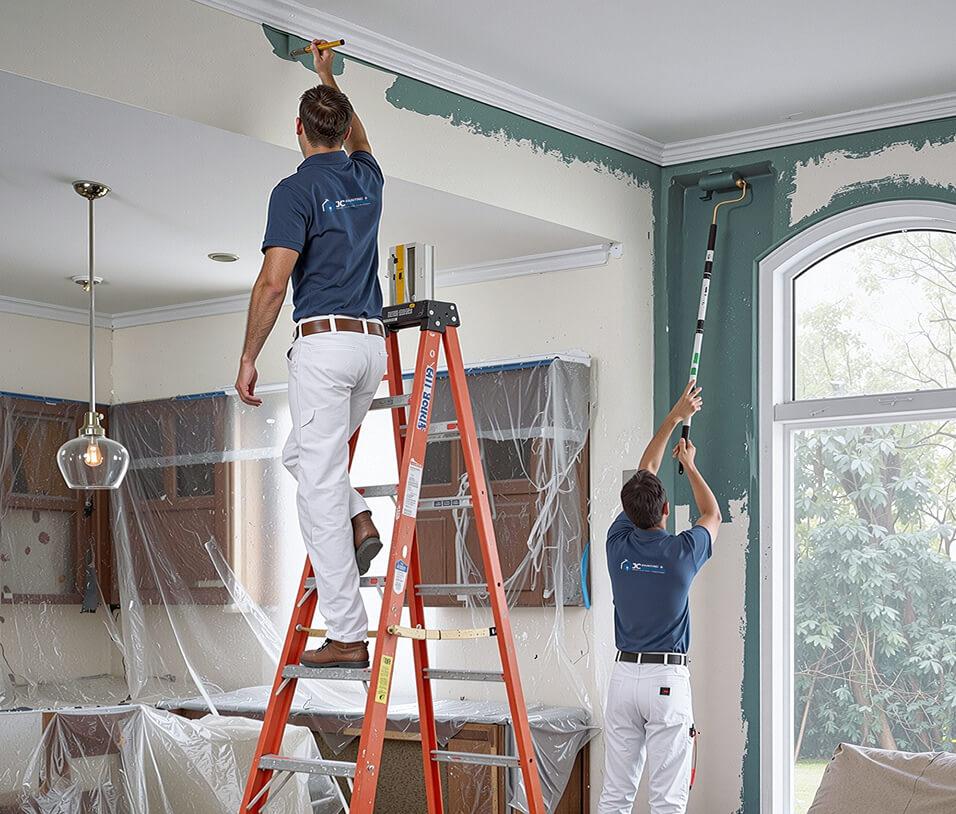
Hiring a painting contractor is one of the most common home improvement decisions — and one where price, quality, and communication vary enormously from one company to the next.
Painter vs. painting contractor — what's the difference?
The distinction matters before you hire. An independent painter is typically a single tradesperson working alone or with a helper, often charging by the hour, and taking on smaller jobs. A painting contractor is a licensed business entity — carrying its own general liability insurance, workers' compensation for employees, and often a state contractor's license — that manages crews, schedules projects on a defined timeline, and carries formal warranties on their work.
For a single-room touch-up, an independent painter may be perfectly appropriate. For a full interior repaint of a multi-room home, an exterior repaint, or any job with significant prep requirements (scraping, caulking, priming, patching), a licensed painting contractor provides accountability that an individual painter cannot. If a crew member is injured on your property and the contractor doesn't carry workers' comp, homeowner's liability insurance may not protect you.
The cheapest bid almost always reflects what it omits — coats of paint, hours of prep, quality of materials, or all three at once.
How painting contractors price their work
Painting contractors use several pricing methods, and understanding them helps you evaluate bids accurately. The most common approach for residential projects is per-square-foot pricing for wall surfaces, with separate line items for ceilings, trim, doors, and windows. Interior wall painting typically runs $1.50–$4.00 per square foot depending on ceiling height, surface condition, number of colors, and regional labor rates. Ceilings add $1–$3 per square foot; trim and doors are often priced per linear foot or per unit.
Some contractors price by the room or quote a lump sum for the entire project after a walkthrough. This is perfectly normal — what matters is that the quote specifies the number of coats, the paint product being used (brand and sheen), and exactly what surfaces are included. An apples-to-apples comparison between three bids requires this level of detail. A bid that says 'paint living room — $600' with no further specification is not comparable to one that details two coats of Sherwin-Williams SuperPaint on walls plus one coat on ceiling.
| Scope | Typical cost range | Key variables |
|---|---|---|
| Single room (interior) | $350 – $900 | Size, ceiling height, condition |
| Full interior (2,000 sq ft home) | $2,500 – $6,000 | Number of rooms, trim complexity |
| Exterior — small home (<1,500 sq ft) | $1,800 – $4,000 | Stories, siding material, prep needed |
| Exterior — average home (2,000 sq ft) | $3,000 – $7,500 | Stories, trim, shutters, surface condition |
| Exterior — large/multi-story | $5,000 – $12,000+ | Scaffolding, extensive prep, detail work |
| Cabinets (kitchen, full set) | $1,200 – $4,000 | Number of doors, finish type, removal |
| Deck or fence staining | $600 – $2,500 | Square footage, wood condition, product |
What prep work separates good contractors from bad ones
Professional painters know that 70% of a quality paint job happens before a drop of color goes on the wall. Surface preparation — patching holes and cracks, sanding rough edges, cleaning surfaces, caulking gaps at trim and windows, applying primer where needed — is what determines whether a paint job looks flawless at two years or starts peeling and showing seams at six months.
For exterior projects, prep is even more critical and more variable. A home with peeling paint requires thorough scraping and sometimes pressure washing before any new coating can adhere. Bare wood must be primed. Caulk at all joints, window frames, and trim intersections must be removed and replaced. Skipping these steps and painting directly over deteriorated surfaces is the single most common cause of premature exterior paint failure — and it is exactly what low-ball contractors do to hit an unrealistically low price.
During your estimate walkthrough, ask each contractor: 'Walk me through your prep process.' A quality contractor will describe patching, sanding, caulking, priming, and protection of surfaces not being painted. A contractor who gives a vague answer or says prep is minimal is telling you something important about the job you'll get.
Licensing, insurance & what to verify before hiring
Licensing requirements for painting contractors vary by state. Some states require a specific contractor's license for painting above a certain dollar threshold; others require only a general contractor's license or have no licensing requirement at all. Regardless of licensing, two insurance documents are non-negotiable: a certificate of general liability insurance (minimum $1 million per occurrence) and a certificate of workers' compensation coverage for all employees. Request these documents before any contract is signed and verify they are current — ask for the insurer's name and policy number so you can confirm with a quick call.
Beyond paperwork, check reviews on multiple platforms: the Better Business Bureau, Google, Houzz, and Yelp collectively give a fuller picture than any single source. Ask for references from completed jobs within the past six months — and actually call them. Ask references specifically about whether the crew showed up as scheduled, whether the final result matched what was quoted, and how the contractor handled any issues that arose.
Getting accurate estimates & comparing bids
Get a minimum of three written bids for any painting project over $1,000. Each bid should include a detailed scope of work listing every surface to be painted, the number of coats, the specific paint product and sheen, whether trim and ceilings are included, and the expected timeline. Payment terms should also be specified — standard practice is 10–30% deposit at contract signing and the balance upon completion to your satisfaction.
When bids vary significantly — and they often do, sometimes by 40–60% — the gap is almost always explained by one of three things: materials (using a contractor-grade paint vs. a premium consumer product), labor hours (cutting prep time), or crew size and experience. The lowest bid is worth scrutinizing carefully; ask the contractor to walk you through how they arrived at their number. A transparent answer is a good sign; vagueness is not.
Contractors who ask for more than 30% upfront, refuse to provide a written contract, cannot produce insurance certificates on request, or pressure you to decide immediately before another 'estimate' is taken should be removed from consideration. Legitimate painting contractors operate on written agreements and welcome questions — pressure tactics are a sign of a company that relies on locking in customers before they can do due diligence.
Interior painting: what to expect during the job
A professional interior painting crew will protect all surfaces not being painted — furniture is moved to the room's center and covered with drop cloths, floor edges are taped, and fixtures and hardware are either masked or removed. Walls are patched and sanded before paint begins. Most quality contractors apply a primer coat on repaired spots or on dramatic color changes before applying finish coats.
A full interior repaint of a 2,000 square foot home typically takes two to four days for a two- to three-person crew. Single-room projects run one to two days. After painting is complete, tape is removed while the paint is still slightly wet to prevent tearing, furniture is returned, and a walkthrough with the homeowner is standard practice at a reputable company.
The number of coats matters. One coat of paint over a significant color change rarely achieves full coverage and even sheen — two coats is standard, and the contract should specify this. Ask what sheen level is being used for each surface: flat or matte for ceilings, eggshell or satin for walls (easier to clean), and semi-gloss for trim and doors (durable, moisture-resistant).
Exterior painting: timing & seasonal considerations
Exterior paint application has temperature and humidity constraints that interior work does not. Most latex exterior paints require temperatures between 50°F and 85°F during application and for several hours after — painting in extreme heat causes the paint to dry too quickly, leading to poor adhesion and visible brush marks. Painting in cool conditions can prevent proper film formation. Most regions have a reliable exterior painting window from late spring through early fall, though in warmer climates this extends considerably.
The best time to hire an exterior painting contractor is early spring — before the busy season peaks in summer — or late summer for fall application. Booking a quality contractor 4–8 weeks in advance is typical; the most reputable companies in most markets are booked 6–12 weeks out during peak season. Waiting until a hot August weekend to call is unlikely to yield your first choice of contractor.
Paint products: what contractors use and why
Professional painting contractors typically work with professional-grade paint lines that are not always available at retail home improvement stores — products like Sherwin-Williams Emerald, Duration, or ProMar 200; Benjamin Moore Aura or Regal Select; or PPG Manor Hall. These products offer better hide (coverage per coat), superior durability, and higher pigment density than many consumer-grade paints sold at big-box retailers.
When reviewing your contract, note the specific product and sheen being proposed. A contractor proposing to use a basic contractor-grade product at a premium price is a mismatch worth questioning. Conversely, some contractors offer tiered packages — standard, mid-grade, and premium paint options — at different price points, which is a legitimate approach as long as the tradeoffs are clearly explained.
Warranties & what happens after the job
Reputable painting contractors provide a written labor warranty, separate from the manufacturer's paint warranty. Labor warranties typically cover peeling, flaking, or adhesion failure caused by improper application for one to three years after project completion. The manufacturer's paint warranty — which covers defects in the product itself — is typically one to ten years depending on the product line.
To take advantage of these warranties, document the project thoroughly: photograph the finished surfaces, keep your contract, and note the specific paint product used. If issues arise, contact the contractor in writing (email creates a paper trail) and request an inspection. Legitimate contractors address warranty claims — it's how they protect their reputation. If a contractor becomes unresponsive to warranty claims, your state contractor's board (if the contractor is licensed) is the appropriate escalation path.
Pre-project checklist for homeowners
-
Collect three written bids with full scope, product, and coat specifications
-
Verify general liability insurance and workers' comp certificates
-
Confirm contractor's license status if your state requires one
-
Check reviews on at least two platforms and call at least one reference
-
Agree on paint brand, product line, and sheen in writing before signing
-
Confirm number of coats included for walls, ceilings, and trim separately
-
Clarify what prep is included — patching, caulking, priming, sanding
-
Agree on payment schedule — no more than 30% upfront
-
Get the labor warranty period in writing before signing
-
Schedule a post-completion walkthrough before final payment
Typical project costs
- Single room (int.)$350–$900
- Full interior repaint$2,500–$6k
- Exterior (avg. home)$3,000–$7.5k
- Kitchen cabinets$1,200–$4k
- Deck / fence stain$600–$2.5k
Questions by category
Sheen guide
- CeilingsFlat / matte
- BedroomsEggshell
- Living areasEggshell/satin
- KitchensSatin / semi
- BathroomsSemi-gloss
- Trim & doorsSemi / gloss
Trusted paint lines
- SW EmeraldPremium
- BM AuraPremium
- SW DurationMid–high
- BM Regal SelectMid–high
- PPG Manor HallMid-range
- SW ProMar 200Contractor
Seasonal timing
Interior: Any season. Book 2–4 weeks out for most markets.
Exterior: Late spring to early fall. Book 6–10 weeks ahead during peak season. Ideal temps: 50–85°F.

 English
 Arabic
 French
 Spanish
 Portuguese
 Deutsch
 Turkish
 Dutch
Dutch
 Italiano
 Romaian
 Portuguese (Brazil)
 Greek
Greek