Building Efficiency in Rural Operations
Managing agricultural land and rural properties requires more than just hard work—it demands planning, organization, and the right resources. Whether you are overseeing a small piece of farmland or a large agricultural setup, efficiency plays a key role in ensuring long-term success. Every task, from maintaining equipment to caring for livestock, contributes to the overall productivity of the property.
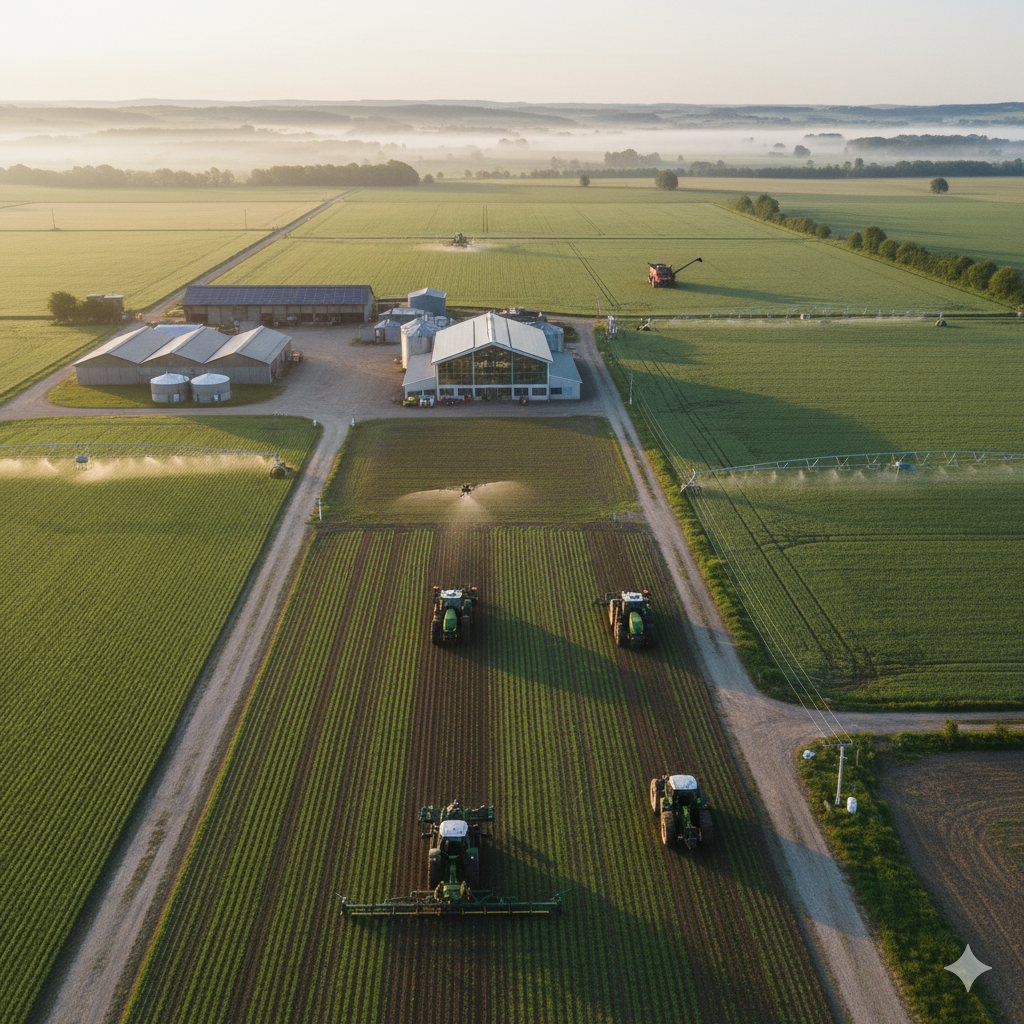
In today’s dynamic agricultural environment, having access to reliable tools and supplies is essential. A well-equipped Farm & Ranch setup allows for smoother operations, better resource management, and improved outcomes across all activities.
Understanding the Needs of Agricultural Properties
Each rural property has its own set of requirements depending on its purpose and scale. Some properties focus on crop production, while others prioritize livestock or a combination of both. Understanding these needs helps in selecting the right equipment and supplies.
Crop-based operations require tools for soil preparation, planting, irrigation, and harvesting. Livestock-focused properties need feeding systems, shelters, fencing, and health management tools. A balanced approach ensures that all aspects of the property function efficiently.
Essential Equipment for Daily Tasks
Daily operations on agricultural properties rely on a variety of tools and equipment. Having the right items readily available can make tasks easier and more efficient.
Manual Tools
Basic tools such as shovels, rakes, hoes, and pitchforks are essential for everyday work. These tools are simple but effective for handling a wide range of tasks.
Power Equipment
Power equipment such as tractors, chainsaws, and water pumps are used for larger tasks. These machines reduce manual effort and improve productivity, especially during peak seasons.
Fencing and Security Supplies
Fencing is crucial for protecting crops and livestock. It helps prevent unauthorized access and ensures the safety of animals and produce.
Importance of Quality Supplies
Using high-quality supplies is essential for maintaining efficiency and reducing long-term costs. Durable materials and reliable equipment ensure consistent performance and minimize the need for frequent replacements.
Quality supplies also contribute to safety. Poor-quality equipment can lead to accidents or breakdowns, disrupting operations and increasing expenses. Investing in reliable products ensures smoother workflows and peace of mind.
Key Factors to Consider When Choosing Supplies
Selecting the right supplies requires careful evaluation of several important factors. Making informed decisions helps improve productivity and avoid unnecessary challenges.
Durability and Reliability
Supplies must withstand tough conditions such as extreme weather and heavy use. Durable products ensure long-lasting performance.
Cost Efficiency
While budget is an important consideration, it should not compromise quality. Choosing cost-effective options that offer durability is the best approach.
Ease of Use
User-friendly equipment improves efficiency and reduces the time required for tasks. Simple designs often provide better results.
Availability
Reliable availability of supplies ensures that operations continue without interruptions. Access to dependable sources is essential.
Maintenance and Equipment Care
Proper maintenance is key to keeping tools and equipment in good condition. Regular inspections and timely repairs help extend the lifespan of machinery and supplies.
Cleaning tools after use, storing them properly, and following maintenance guidelines can prevent wear and tear. Well-maintained equipment performs better and reduces the risk of unexpected failures.
Common Challenges in Rural Property Management
Managing agricultural properties comes with unique challenges that require careful planning and problem-solving.
- Unpredictable weather conditions
- Managing labor and time efficiently
- Maintaining equipment and infrastructure
- Protecting crops and livestock from pests and threats
- Balancing operational costs with productivity
Addressing these challenges effectively ensures smoother operations and better outcomes.
The Role of Technology in Modern Agriculture
Technology is transforming the way agricultural properties are managed. Modern tools and systems help improve efficiency, reduce waste, and increase productivity.
Automated irrigation systems, GPS-enabled equipment, and data-driven farming techniques are becoming more common. These innovations allow property owners to monitor and manage operations more effectively.
Technology also supports better decision-making, helping optimize resource usage and improve overall performance.
Sustainable Practices for Long-Term Success
Sustainability is becoming increasingly important in agriculture. Adopting eco-friendly practices helps protect natural resources and ensures long-term productivity.
Using organic fertilizers, conserving water, and minimizing waste are some ways to promote sustainability. These practices not only benefit the environment but also improve the quality of agricultural output.
Sustainable management also enhances the value of the property and makes it more resilient to future challenges.
Future Trends in Agricultural Management
The future of agricultural management is focused on innovation, efficiency, and sustainability. New technologies and practices are continuously being developed to improve productivity and reduce environmental impact.
Smart farming, renewable energy solutions, and advanced machinery are shaping the future of rural operations. These advancements aim to make agriculture more efficient and adaptable to changing conditions.
Staying updated with these trends is essential for long-term success in the agricultural sector.
Final Thoughts
Managing agricultural and rural properties requires a combination of the right tools, quality supplies, and effective strategies. By understanding the needs of your property and making informed decisions, you can improve efficiency and ensure smooth operations.
In conclusion, a well-managed Farm & Ranch setup plays a vital role in supporting productivity, sustainability, and long-term success in today’s agricultural landscape.



 English
 Arabic
 French
 Spanish
 Portuguese
 Deutsch
 Dutch
Dutch
 Italiano
 Russian
 Romaian
 Portuguese (Brazil)
 Greek
Greek