

Are Dental Crowns Painful? Myths vs Reality
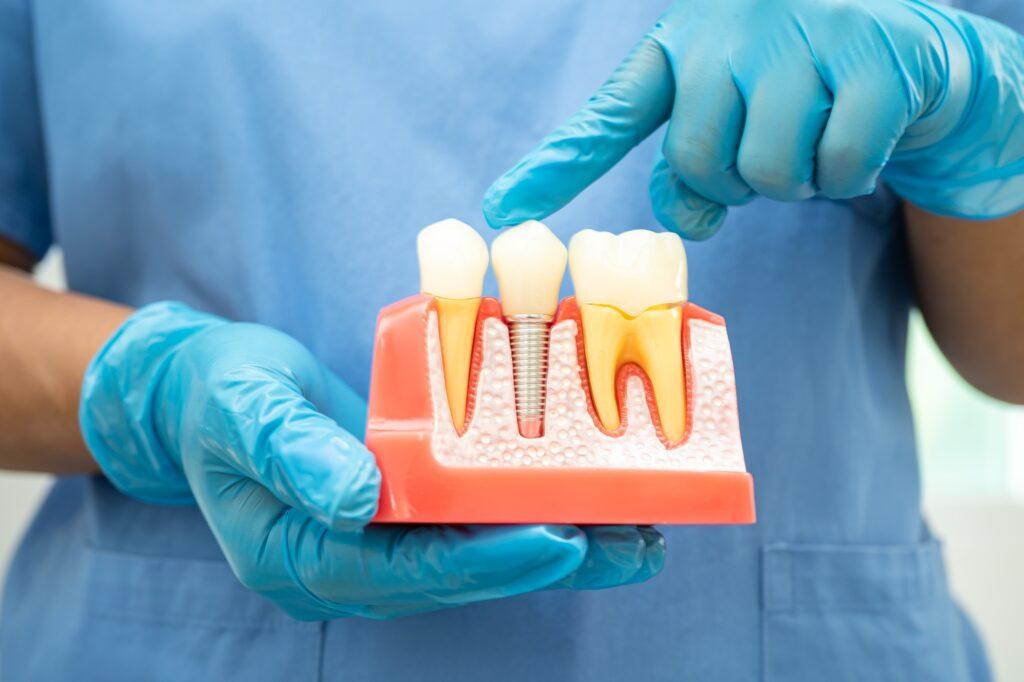
Dental crowns are one of the most common dental treatments used to restore damaged, weakened, or cosmetically imperfect teeth. Despite their widespread use, many people are hesitant about getting a crown due to fear of pain. Misconceptions and myths about dental procedures can make patients anxious and even delay necessary treatment.
Understanding the process, the benefits, and what to realistically expect can help alleviate concerns. In this article, we will separate the myths from the reality of dental crowns and explain how they can improve your oral health comfortably and effectively.
What Are Dental Crowns?
A dental crown is a cap that fits over a damaged or weakened tooth. It restores the tooth’s shape, strength, and appearance while protecting it from further damage. Crowns can be made from various materials, including porcelain, ceramic, metal, or a combination of these.
People who seek Dental Crowns in Chandler, AZ often do so for both functional and cosmetic reasons. Crowns can repair broken teeth, cover large fillings, protect teeth after root canal treatments, and enhance the look of discolored or misshapen teeth.
Common Myths About Dental Crown Pain
Despite being a routine procedure, there are several myths surrounding dental crowns that often cause unnecessary fear:
Myth 1: Getting a Crown is Extremely Painful
Many people assume that the process of preparing a tooth for a crown is painful. The reality is that dentists use local anesthesia to numb the area. Most patients experience little to no pain during the procedure. Some mild discomfort can occur after the procedure, but it is usually manageable with over-the-counter pain relievers.
Myth 2: Crowns Cause Tooth Sensitivity Forever
It is a common belief that crowns make your teeth permanently sensitive. In reality, temporary sensitivity is normal after a crown is placed, especially to hot or cold temperatures. This usually resolves within a few days to weeks as the tooth adjusts to the new crown.
Myth 3: Crowns Are Only for Severe Tooth Damage
While crowns are excellent for heavily damaged teeth, they are also used for cosmetic purposes. People seeking Dental Crowns in Arizona often use them to improve the appearance of worn, chipped, or discolored teeth.
Myth 4: Crowns Require Constant Pain Medication
Many patients worry that pain after a crown will be severe enough to require strong medication. In reality, most people only need mild pain relievers if any discomfort occurs. Proper dental techniques and anesthesia minimize post-procedure pain.
What to Expect During a Dental Crown Procedure
Understanding the steps of a crown procedure can reduce anxiety and fear of pain.
Step 1: Tooth Examination and Preparation
The dentist examines the damaged tooth and removes decay or old fillings if necessary. The tooth is then shaped to allow the crown to fit securely. Local anesthesia ensures this step is painless.
Step 2: Impressions and Temporary Crown
An impression of the prepared tooth is taken to create a custom crown. A temporary crown is placed to protect the tooth until the permanent crown is ready. Temporary crowns may cause slight sensitivity or mild discomfort but are generally well-tolerated.
Step 3: Permanent Crown Placement
During the second visit, the permanent crown is placed and adjusted for fit and comfort. Once properly aligned, it is cemented in place. Most patients experience minimal discomfort at this stage.
Step 4: Recovery and Adjustment
After the crown is placed, it is common to experience minor sensitivity or pressure. Eating soft foods for a few days and avoiding extremely hard or sticky foods can help ease this adjustment period.
Patients who receive Dental Crowns in Chandler, AZ often report that the process is comfortable, and any temporary sensitivity is minor compared to the benefits of protecting and strengthening their teeth.
Benefits of Dental Crowns
Dental crowns offer numerous advantages beyond just cosmetic improvements.
Protects Weak Teeth
Crowns provide a strong layer over weakened or damaged teeth, preventing fractures and further decay.
Restores Function
Crowns allow patients to chew and bite normally, restoring the functionality of damaged teeth.
Long-Lasting Solution
With proper care, dental crowns can last 10–15 years or more. Regular dental checkups help ensure their longevity.
Cosmetic Enhancement
Crowns improve the appearance of teeth, providing a natural, aesthetically pleasing smile.
Dental Crowns in Arizona offer both functional and cosmetic solutions, making them one of the most versatile dental treatments available.
How to Minimize Discomfort After a Crown
Although most patients experience little to no pain, minor discomfort can occur after the procedure. Here are some tips to ease post-procedure sensitivity:
- Take mild over-the-counter pain relievers like ibuprofen if needed.
- Avoid very hot or cold foods for the first few days.
- Stick to soft foods to reduce pressure on the tooth.
- Maintain good oral hygiene to prevent irritation around the crown.
Following these steps can make the recovery period quick and comfortable.
When to Contact Your Dentist
While dental crowns are generally painless, contact your dentist if you experience:
- Severe or persistent pain beyond a few days
- Swelling or signs of infection
- Crown loosening or discomfort while biting
- Sensitivity that does not improve with time
Early evaluation can prevent complications and ensure the crown functions properly.
Final Thoughts
Dental crowns are a safe, effective, and minimally painful way to restore and protect damaged teeth. Misconceptions about pain often cause unnecessary fear, but modern dental techniques ensure a comfortable experience.
Patients who opt for Dental Crowns in Chandler, AZ and Dental Crowns in Arizona benefit from stronger teeth, restored functionality, and improved appearance. By separating myths from reality, it’s clear that dental crowns are not something to fear—they are a practical solution for maintaining long-term oral health.
If you have a damaged, weak, or discolored tooth, consulting a dentist about dental crowns can help you protect your smile comfortably and effectively.

 English
 Arabic
 French
 Spanish
 Portuguese
 Deutsch
 Turkish
 Dutch
Dutch
 Italiano
 Russian
 Romaian
 Greek
Greek