

Unlocking Efficiency in Healthcare: The Power of Clinical Workflow Automation
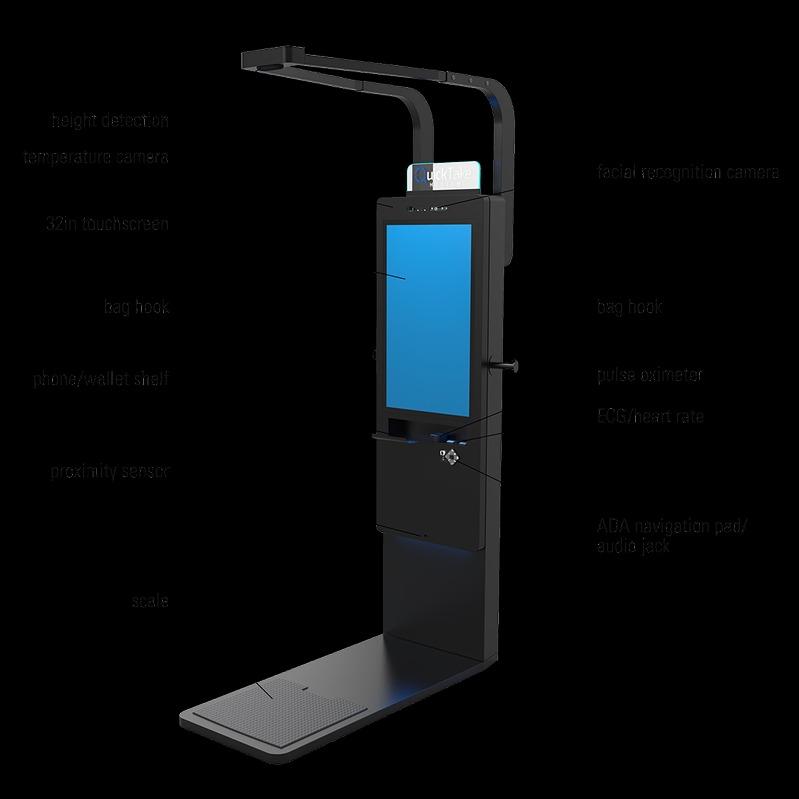
In today’s fast-paced healthcare environment, efficiency isn’t optional—it’s essential. Clinics and healthcare providers are under constant pressure to improve patient care while managing increasing administrative demands. This is where clinical workflow automation becomes a game-changer, helping healthcare organizations streamline operations, reduce errors, and deliver better patient outcomes.
What is Clinical Workflow Automation?
Clinical workflow automation refers to the use of advanced software and digital tools to automate routine administrative and clinical processes within healthcare settings. These processes include patient scheduling, record management, billing, and communication workflows.
By reducing manual intervention, automation allows healthcare professionals to focus more on patient care rather than paperwork and repetitive tasks.
Enhancing Efficiency in Healthcare Operations
One of the biggest advantages of clinical workflow automation is improved operational efficiency. Healthcare providers often deal with time-consuming administrative duties that slow down productivity.
Automation helps by:
- Eliminating repetitive tasks such as data entry and appointment confirmations
- Optimizing staff productivity by reallocating time toward patient-focused activities
- Reducing operational costs through streamlined processes
Key Benefits:
- Time Savings: Less manual work means more time for patient care
- Resource Optimization: Better utilization of staff and infrastructure
- Error Reduction: Minimizes human errors in documentation and data handling
Improving Patient Care Through Automation
At its core, healthcare is about delivering high-quality patient care. Clinical workflow automation supports this by ensuring that healthcare professionals have quick and accurate access to patient information.
How Automation Enhances Patient Care:
- Faster Access to Records: Instant retrieval of patient data improves decision-making
- Better Coordination: Seamless communication across departments ensures continuity of care
- Improved Patient Engagement: Automated reminders, follow-ups, and notifications keep patients informed and involved
With reduced administrative burden, clinicians can dedicate more attention to diagnosis, treatment, and patient interaction.
Streamlining Clinic Operations
Efficient clinic management is critical for delivering consistent care. Clinical workflow automation integrates multiple systems into a unified platform, ensuring smooth coordination across departments.
Operational Advantages:
- Integrated Systems: Centralized data for better visibility and control
- Smart Scheduling: Prevents overbooking and reduces patient wait times
- Data-Driven Insights: Helps clinics make informed decisions using real-time analytics
Reducing Administrative Burden
Administrative overload is one of the biggest challenges in healthcare. Automation significantly reduces this burden by handling tasks such as:
- Billing and Coding Automation: Improves accuracy and speeds up reimbursements
- Appointment Scheduling: Reduces no-shows with automated reminders
- Digital Record Management: Ensures secure, accurate, and easily accessible patient data
This not only improves efficiency but also enhances compliance with healthcare regulations.
The Future of Clinical Workflow Automation
As technology evolves, clinical workflow automation will continue to advance, bringing even more intelligent and personalized solutions to healthcare.
Emerging Trends:
- AI Integration: Predictive analytics for better diagnosis and treatment planning
- Personalized Automation: Tailored workflows based on clinic needs
- Enhanced Interoperability: Seamless data sharing across healthcare systems
Healthcare providers that adopt these innovations early will be better positioned to deliver high-quality, patient-centered care.
Conclusion
Clinical workflow automation is no longer a luxury—it’s a necessity for modern healthcare providers. By streamlining operations, reducing administrative workload, and improving patient care, automation empowers clinics to operate more efficiently and effectively.
Adopting clinical workflow automation today means preparing your healthcare practice for a smarter, faster, and more patient-focused future.

 English
 Arabic
 French
 Spanish
 Portuguese
 Deutsch
 Turkish
 Dutch
Dutch
 Italiano
 Russian
 Romaian
 Greek
Greek