

Yarn Club: Exploring Community, Creativity, and Curated Yarn Experiences
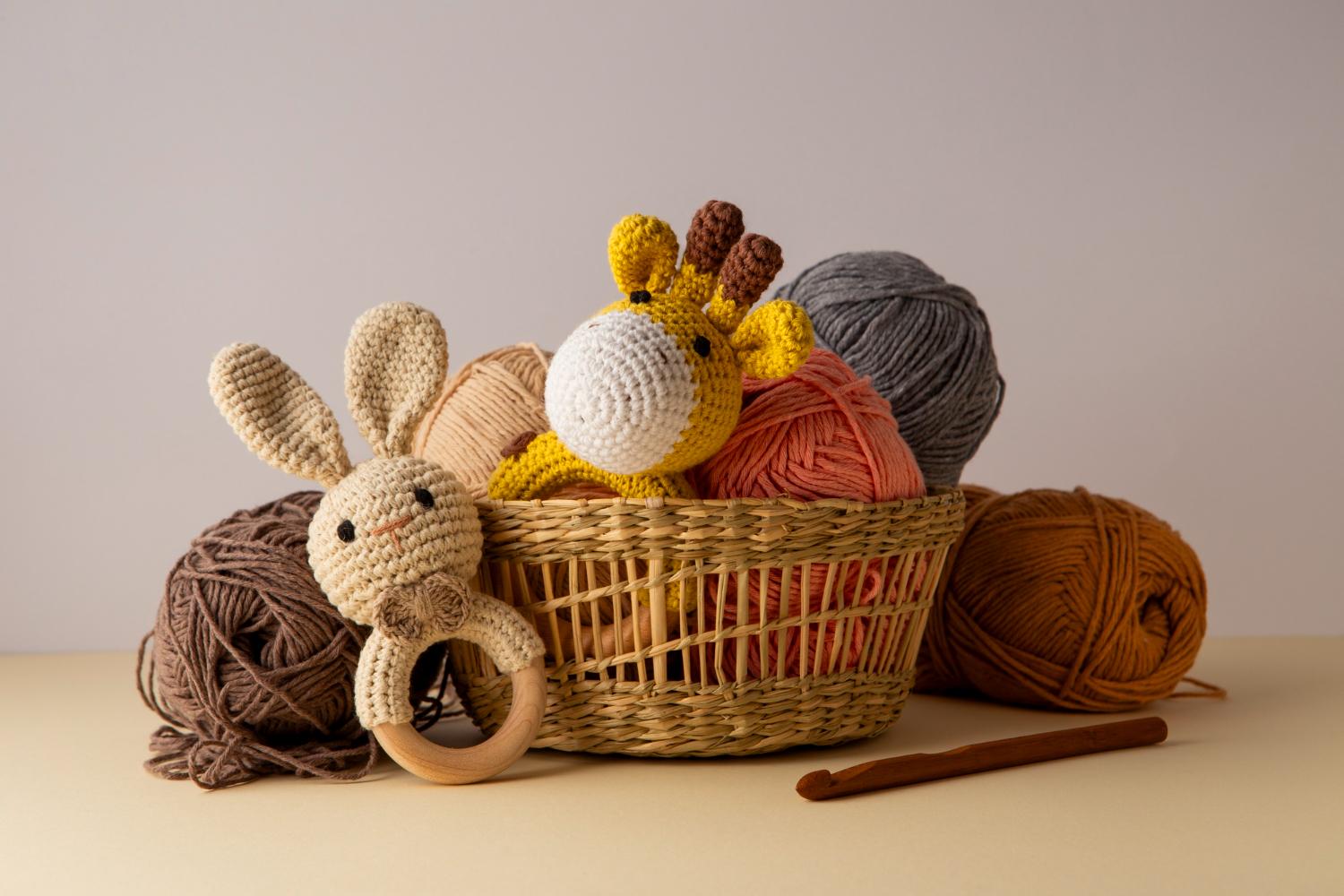
Knitting and crochet have long served as creative outlets for people across the United States. These crafts combine artistic expression with practical skill, allowing individuals to produce clothing, accessories, and decorative items using yarn. As the crafting community has expanded, new ways of connecting with materials and fellow crafters have emerged. One concept that has gained attention among fiber enthusiasts is the yarn club.
A yarn club typically refers to a membership-based program in which participants receive yarn and related crafting materials on a recurring basis. In addition to providing yarn, many yarn clubs focus on building a sense of community among knitters and crocheters. Through shared projects, curated yarn selections, and creative discussions, yarn clubs play an important role in supporting the modern crafting culture.
Understanding what a yarn club is and how it functions helps explain why it has become a meaningful part of the knitting and crochet world.
What Is a Yarn Club?
A yarn club is a membership program that provides participants with curated yarn deliveries at scheduled intervals. These clubs usually operate for a specific period, such as several months or a full year. Members typically sign up in advance and receive packages containing yarn along with other crafting materials or project ideas.
While each yarn club may vary in structure, most include a combination of the following:
-
One or more skeins of yarn
-
Information about fiber content and yarn characteristics
-
Suggested knitting or crochet patterns
-
Occasional crafting accessories
The main goal of a yarn club is to introduce participants to new yarn types, color combinations, and project possibilities while fostering a shared crafting experience.
The Origins of Yarn Clubs
The idea behind yarn clubs developed as knitting and crochet communities expanded both in local groups and online spaces. Traditionally, crafters often gathered in social settings to work on projects and exchange ideas. Yarn clubs reflect a similar sense of connection, but in a more structured format.
Over time, yarn clubs evolved into organized membership programs that provide curated materials along with opportunities for interaction. This structure allows crafters to participate in a collective experience even if they live in different locations.
The concept aligns well with the growing interest in crafting as a relaxing and creative hobby.
How a Yarn Club Works
A yarn club usually operates on a seasonal or annual schedule. Members enroll for a defined period and receive packages at regular intervals throughout the club’s duration.
For example, a yarn club might send packages:
-
Once per month
-
Every two months
-
Once per season
Each shipment generally includes yarn selected according to a theme or project concept. Some yarn clubs also provide patterns specifically designed for the yarn included in the package.
This structured delivery system allows members to anticipate new materials while gradually building a collection of yarn and patterns.
Common Types of Yarn Clubs
Yarn clubs vary widely in style and purpose. Different clubs focus on different aspects of knitting and crochet, allowing participants to choose a format that matches their interests.
Seasonal Yarn Clubs
Seasonal yarn clubs send packages that correspond with different times of the year. Each shipment may include yarn colors and project ideas that reflect seasonal themes.
For instance:
-
Winter shipments may feature warm fibers and rich colors.
-
Spring shipments may include lighter yarns and brighter palettes.
-
Autumn shipments may focus on earthy tones and cozy accessories.
These seasonal themes can inspire projects suited to the time of year.
Project-Based Yarn Clubs
Some yarn clubs center around specific projects. Members receive yarn and instructions for creating a particular item.
Examples of projects that may be included in a yarn club include:
-
Shawls
-
Socks
-
Hats
-
Scarves
This format is especially helpful for crafters who prefer guided projects rather than selecting patterns independently.
Mini Skein Yarn Clubs
Mini skein yarn clubs focus on sets of small yarn skeins in coordinated colors. These sets are particularly popular among knitters who enjoy colorwork techniques.
Mini skein clubs are often used for projects such as:
-
Striped socks
-
Gradient shawls
-
Patchwork blankets
The smaller skeins allow participants to work with multiple colors while using limited yardage.
Benefits of Joining a Yarn Club
Yarn clubs offer several advantages for knitters and crocheters. These programs provide more than just materials—they also contribute to creative growth and community engagement.
Creative Inspiration
Receiving yarn through a yarn club can inspire new project ideas. Because the yarn selections are curated, they often introduce color combinations and fiber types that crafters may not have chosen on their own.
This element of surprise can encourage experimentation with new techniques and patterns.
Exposure to Different Fibers
Yarn clubs frequently include a variety of fiber types. These may include:
-
Wool
-
Cotton
-
Alpaca
-
Blended fibers
By working with different materials, crafters gain a deeper understanding of how fiber composition affects texture, warmth, and durability.
Structured Crafting Experience
A yarn club provides a structured approach to crafting. Instead of searching for new projects and materials individually, members receive curated packages that guide them through creative exploration.
This structure can help maintain motivation and encourage consistent crafting habits.
Building a Yarn Collection
Over time, yarn club memberships allow participants to accumulate a diverse collection of yarn. Each shipment adds new colors, textures, and fiber types to a crafter’s stash.
This variety can be useful when planning future projects.
Yarn Clubs and Community Interaction
One of the defining features of a yarn club is the sense of community it can create. Many yarn clubs encourage participants to share their projects, experiences, and ideas with other members.
Community interaction may occur through:
-
Online forums
-
Social media groups
-
Virtual crafting events
Members often post photos of their yarn deliveries and finished projects, creating opportunities for discussion and inspiration.
These interactions can strengthen connections between crafters and promote collaborative learning.
Learning Opportunities in Yarn Clubs
Yarn clubs can also serve as educational resources for knitters and crocheters. Some clubs include patterns that introduce new techniques or stitch patterns.
Examples of techniques that may appear in yarn club projects include:
-
Lace knitting
-
Cable stitches
-
Mosaic colorwork
-
Textured crochet patterns
Working through these patterns allows participants to develop new skills gradually. This learning process can make crafting more engaging and rewarding.
Considerations Before Joining a Yarn Club
Although yarn clubs offer many benefits, potential participants may want to consider several factors before joining.
Yarn Preferences
Different crafters have different preferences for yarn weight and fiber content. Some may prefer natural fibers such as wool, while others may favor cotton or blended yarns.
Understanding personal preferences can help determine whether a particular yarn club aligns with a crafter’s style.
Storage and Organization
Regular yarn deliveries can contribute to a growing yarn collection. Proper storage solutions help keep yarn organized and protected from dust, moisture, or pests.
Time for Projects
Yarn club members may receive materials faster than they complete projects. Planning time for crafting activities can help ensure that the yarn is eventually used.
The Role of Yarn Clubs in Modern Crafting Culture
Yarn clubs reflect the broader evolution of crafting culture in the United States. As knitting and crochet have gained popularity among new generations, curated experiences such as yarn clubs have become more common.
These clubs provide a structured way for people to explore yarn, develop skills, and participate in a shared creative experience. They also help maintain a connection between crafters and the wider fiber arts community.

 English
 Arabic
 French
 Spanish
 Portuguese
 Turkish
 Dutch
Dutch
 Italiano
 Russian
 Romaian
 Portuguese (Brazil)
 Greek
Greek