

Salt Plant Tracker: Monitoring Global Production and Supply Trends
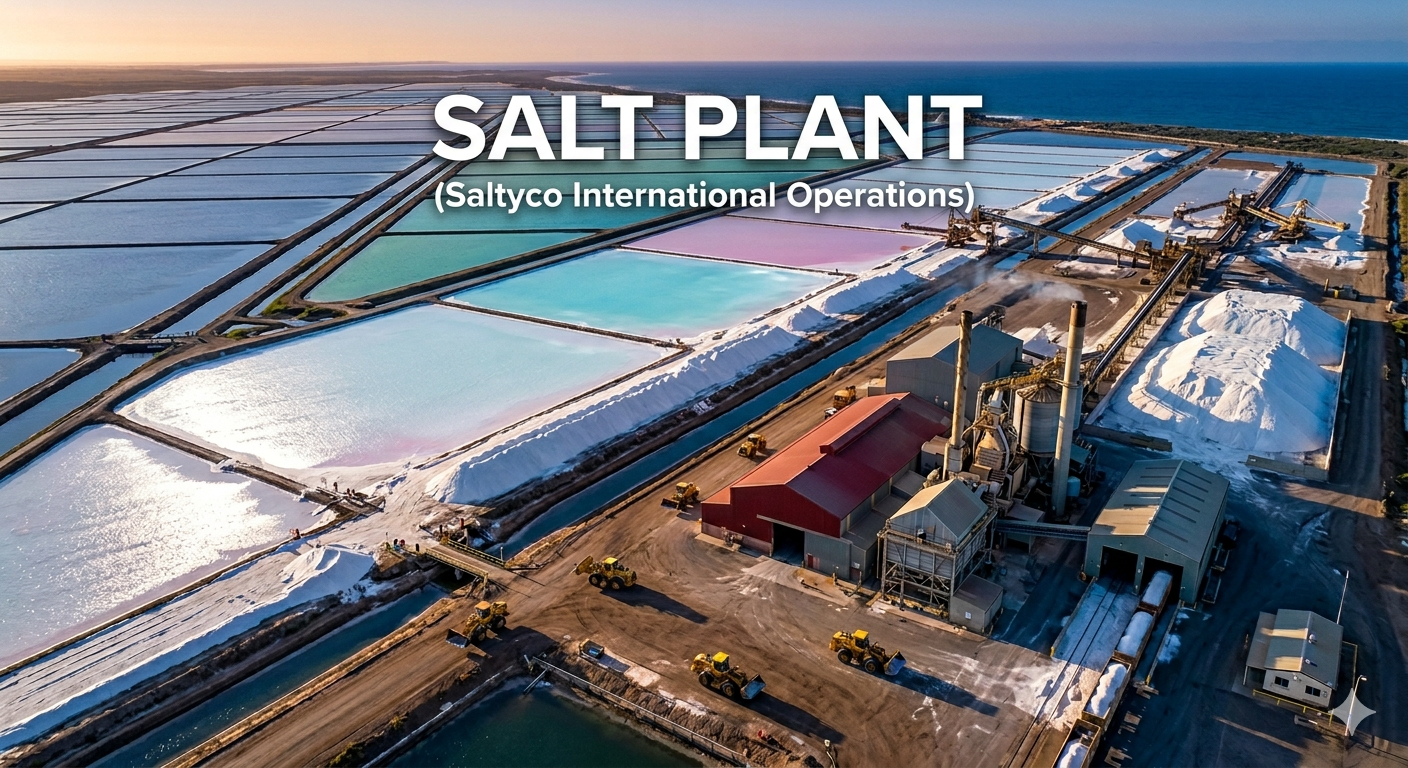
Salt is one of the most widely used minerals in the world and plays an important role in many industries. It is commonly used in food processing, chemical manufacturing, water treatment, de-icing, and pharmaceutical production. In the chemical industry, salt is a key raw material used to produce products like chlorine, caustic soda, and soda ash. Because of its wide industrial use, monitoring salt production and supply conditions is very important. A Salt Plant Tracker helps industry professionals understand where salt is produced and how global production trends are changing.
Salt production takes place in different types of facilities such as solar salt plants, rock salt mines, and vacuum salt plants. These plants are located in several regions around the world, depending on natural resources and climate conditions. A Salt Plant Tracker collects important information about these facilities, including plant location, production capacity, operational status, and expansion projects. By tracking these details, companies can gain a clearer view of the global salt supply landscape.
Importance of Tracking Salt Production Facilities
Salt may appear to be a simple commodity, but it is a crucial raw material for many industries. The chemical industry relies heavily on salt to produce chlor-alkali products that are used in plastics, cleaning products, paper manufacturing, and water treatment. Because of this strong industrial demand, changes in salt production can affect supply chains across several sectors.
A Salt Plant Tracker helps businesses monitor the operational status of salt production facilities across different regions. It allows companies to see which plants are operating normally, which plants are expanding production capacity, and where new facilities are being developed. This information helps manufacturers, traders, and analysts understand supply conditions more clearly.
For example, if a large salt plant increases production capacity, it can improve supply availability in the market. On the other hand, if a major facility slows down production due to operational challenges, it may influence supply conditions for industries that depend on salt-based raw materials.
How a Salt Plant Tracker Works
A Salt Plant Tracker gathers information from multiple industry sources such as company announcements, industry reports, government publications, and market intelligence platforms. This data is organized in a structured format so users can easily observe plant-level developments.
Through the tracker, users can view important details such as plant location, production capacity, operational updates, and expansion projects. The tracker also highlights when new salt production facilities are planned or when existing plants increase their production levels.
By regularly updating this information, the tracker creates a comprehensive view of global salt production activities. Businesses can analyze production trends and identify regions that play a major role in supplying salt to different industries.
Understanding Salt Plant Disruptions Tracker
While tracking plant operations is important, it is equally necessary to monitor unexpected disruptions that may affect production. This is where the salt plant disruptions tracker becomes valuable. The salt plant disruptions tracker focuses on events that may interrupt or reduce salt production at manufacturing facilities.
Disruptions can occur for several reasons. Weather conditions, equipment maintenance, transportation issues, and operational challenges can influence plant operations. In solar salt production, seasonal weather conditions such as heavy rainfall may slow down production cycles.
The salt plant disruptions tracker helps identify these developments and provides updates on how they may affect production capacity. When a large salt plant faces operational disruptions, it may influence the supply of salt to industries that rely on it as a raw material.
Role in Supply Chain and Market Planning
Industries that depend on salt for chemical manufacturing or food processing must carefully manage their supply chains. Unexpected disruptions in salt production can affect raw material availability and create challenges for manufacturing operations.
A Salt Plant Tracker helps companies maintain visibility into global salt production activities. When this information is combined with insights from a Salt Disruptions Tracker businesses can better understand potential supply risks.
For example, if a large salt production facility temporarily reduces output due to operational maintenance, chemical manufacturers may adjust their procurement strategies to maintain stable production. Early awareness of such disruptions allows companies to prepare and reduce supply uncertainties.
Global Trends in Salt Production
The global demand for salt continues to grow due to increasing industrial activities and expanding chemical production. Many countries are investing in improving salt extraction technologies and expanding production facilities to meet rising demand.
At the same time, environmental regulations and sustainable production practices are becoming more important in the industry. Companies are focusing on improving efficiency while reducing environmental impact during salt production.
A Nacl Disruptions Tracker helps industry professionals follow these developments and understand how global production capacity is changing. By tracking new plant projects, production expansions, and operational updates, companies can gain valuable insights into the future of the salt market.
Conclusion
In the global industrial market, understanding raw material supply is extremely important for maintaining stable operations. A Salt Plant Tracker provides valuable insights into salt production facilities, production capacity, and industry developments across different regions.
At the same time, the salt plant disruptions tracker helps identify unexpected events that may affect production and supply availability. By monitoring both plant operations and disruptions, companies can gain a clearer understanding of market conditions and prepare for potential supply challenges.
Together, the Salt Plant Tracker and the salt plant disruptions tracker help businesses improve supply planning, reduce uncertainty in procurement, and stay informed about developments in the global salt industry.
👉 👉 👉 Access real-time Salt Plant Tracker alerts and full G.I.O Tracker intelligence: https://www.price-watch.ai/book-a-demo/
About Price Watch™ AI
Price-Watch AI is an India-based, independent raw material price reporting agency that provides real-time price forecasts and data-driven insights into global raw material markets. Price-Watch AI specializes in tracking raw material prices, analyzing market trends, and delivering timely updates on plant shutdowns, supply disruptions, capacity expansions, and demand-supply dynamics. The Price-Watch AI platform empowers manufacturers, traders, and procurement professionals to make faster, smarter decisions. Leveraging AI-powered forecasting and over a decade of historical data, Price-Watch AI transforms market volatility into actionable opportunity.
Futura Tech Park,
C Block, 8th floor 334,
Old Mahabalipuram Road,
Sholinganallur, Chennai,
Tamil Nadu, Pincode - 600119.
LinkedIn: https://www.linkedin.com/company/price-watch-ai/
Facebook: https://www.facebook.com/people/Price-Watch/61568490385598/
Twitter: https://x.com/pricewatchai
Website: https://www.price-watch.ai/

 English
 Arabic
 French
 Spanish
 Deutsch
 Turkish
 Dutch
Dutch
 Italiano
 Russian
 Romaian
 Portuguese (Brazil)
 Greek
Greek