

Infant Bruxism Guide: Causes, Symptoms, and Care Tips
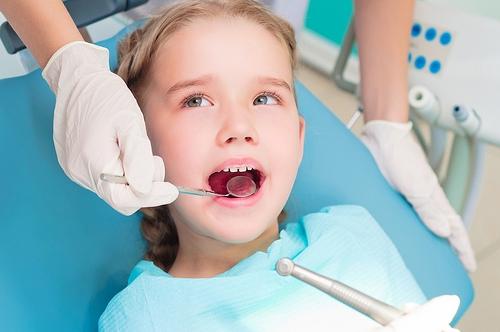
Infant bruxism, commonly known as teeth grinding in babies, is a condition that can surprise and concern many parents. Hearing a grinding sound coming from your baby, especially during sleep, can feel unusual and even alarming. However, in most cases, infant bruxism is a normal part of growth and development. With the right understanding, parents can manage it calmly and effectively while ensuring their baby’s comfort and well-being.
What Is Infant Bruxism?
Bruxism in Infants refers to the grinding, clenching, or gnashing of teeth in babies and very young children. While this condition is more commonly discussed in adults, infants can also experience it as part of early development. Bruxism in Infants often begins when the first teeth start to emerge, typically around six months of age. At this stage, babies are still learning how to control their jaw muscles and are exploring new sensations, so grinding their teeth is often a natural and temporary developmental behavior.
Unlike bruxism in adults, which is often associated with stress or dental problems, infant bruxism is usually harmless and temporary. Most babies outgrow this habit as their oral and muscular coordination improves over time.
Common Causes of Infant Bruxism
Understanding the causes of infant bruxism can help parents respond appropriately and reduce unnecessary worry. Several factors may contribute to this behavior.
Teething Discomfort
Teething is one of the most common reasons babies grind their teeth. As new teeth push through the gums, infants may feel irritation, soreness, or itching. Grinding can provide relief by applying pressure to the affected areas.
Developing Jaw Muscles
Infants are still learning how to use their jaw muscles effectively. Grinding may occur as part of this learning process. It helps them explore movement and coordination, which improves naturally with age.
Curiosity and Sensory Exploration
Babies are naturally curious and use their senses to explore their surroundings. The sensation of teeth touching each other is new, and they may grind their teeth simply to experience this feeling.
Response to Pain or Discomfort
In some cases, bruxism may be a response to discomfort caused by minor illnesses, such as ear infections or colds. Grinding can act as a distraction from the discomfort.
Symptoms of Infant Bruxism
Bruxism in infants is usually easy to identify. The Broadway Family may notice certain signs that indicate their baby is grinding their teeth.
Audible Grinding Sounds
The most noticeable symptom is the sound of teeth grinding. This often happens during sleep but can also occur when the baby is awake. The noise may vary in intensity.
Jaw Clenching or Movement
Parents may observe repeated jaw movements or clenching. These actions may appear unusual but are often harmless.
Increased Fussiness
If grinding is linked to discomfort, babies may become more irritable or fussy than usual.
Sleep Disturbances
Although not very common, some infants may experience mild sleep disruptions due to grinding.
Mild Tooth or Gum Sensitivity
Frequent grinding can sometimes cause slight sensitivity in the teeth or gums, though serious issues are rare.
Is Infant Bruxism Harmful?
In most cases, infant bruxism is not harmful. Baby teeth are temporary and can handle minor grinding without lasting damage. The condition usually resolves on its own as the child grows and gains better control over their jaw muscles.
However, if grinding becomes excessive or persistent, it may lead to minor tooth wear or gum irritation. These situations are uncommon but should be monitored.
Care Tips for Managing Infant Bruxism
While infant bruxism often does not require treatment, there are several simple and effective ways parents can support their baby.
Provide Teething Comfort
If teething is causing discomfort, offering safe teething toys can help soothe the gums. Chilled teething rings can be especially helpful in reducing irritation.
Maintain a Calm Routine
A consistent and relaxing daily routine can help your baby feel secure and comfortable. Gentle activities like a warm bath or soft lullabies before bedtime can promote better sleep.
Monitor Your Baby’s Health
Keep an eye on signs of illness or discomfort that may be contributing to grinding. If your baby shows symptoms such as fever, ear pulling, or unusual crying, consult a healthcare provider.
Encourage Good Sleep Habits
Ensuring your baby gets enough rest is important. A regular sleep schedule can help reduce nighttime disturbances, including grinding.
Practice Gentle Oral Care
Maintaining your baby’s oral hygiene is essential. Gently cleaning their teeth and gums helps promote healthy development and prevents potential dental issues.
When to Seek Professional Advice
Although infant bruxism is usually harmless, there are certain situations where professional guidance may be necessary.
Persistent Grinding
If your baby continues grinding their teeth beyond the early years, it is a good idea to consult a pediatric dentist.
Visible Tooth Damage
If you notice chipping, flattening, or unusual wear on your baby’s teeth, seek professional evaluation.
Signs of Pain or Discomfort
If your baby appears to be in pain while grinding or shows changes in eating or sleeping patterns, consult a healthcare professional.
Preventive Measures for Parents
While it may not always be possible to prevent infant bruxism, some steps can help reduce its occurrence.
Keep Your Baby Relaxed
A calm and comfortable environment can reduce unnecessary stress or restlessness that may contribute to grinding.
Regular Checkups
Routine visits to a pediatrician or dentist can help ensure your baby’s oral health is on track.
Stay Observant
Understanding your baby’s habits and behavior patterns can help you identify triggers and manage the condition more effectively.
Conclusion
Infant bruxism is a common and generally harmless condition that occurs as part of a baby’s natural development. While the sound of teeth grinding may be concerning, it is usually temporary and resolves without any long-term effects.
By understanding the causes and recognizing the symptoms, parents can take simple steps to support their baby’s comfort and well-being. Providing teething relief, maintaining a calm routine, and monitoring overall health are key strategies in managing this condition. If concerns arise, seeking professional advice can provide reassurance and ensure your baby’s healthy growth.

 Arabic
 French
 Spanish
 Portuguese
 Deutsch
 Turkish
 Dutch
Dutch
 Italiano
 Russian
 Romaian
 Portuguese (Brazil)
 Greek
Greek