

Biosurfactants Market: 2030 Strategic Growth and SWOT Analysis
The global chemical industry is undergoing a structural pivot as manufacturers aggressively transition from petroleum-derived surfactants toward sustainable, biologically-produced alternatives. At the center of this shift is the Biosurfactants Market, a sector defined by surface-active agents produced by microorganisms such as bacteria, yeast, and fungi. These molecules offer a rare trifecta of low toxicity, high biodegradability, and superior performance under extreme pH and temperature levels.
According to latest industry intelligence, the global biosurfactants market size is projected to grow from US$ 811.08 million in 2022 to US$ 1,311.48 million by 2030. This expansion represents a steady CAGR of 6.2% over the forecast period. This growth is a direct response to the "Green Chemistry" mandate, where environmental safety is no longer a luxury but a regulatory requirement for premium formulations in personal care, detergents, and industrial recovery.
Market Growth Analysis: Primary Drivers
The biosurfactants market growth 6.2% CAGR through 2030 is anchored by three structural shifts in the global economy that prioritize technical performance and liability reduction.
1. The Decarbonization Mandate in Personal Care
The personal care and cosmetics sector remains the highest-value application segment. Consumers are increasingly scrutinizing "INCI" lists for sulfate-free and plant-derived ingredients. Major multinationals are now replacing traditional surfactants like SLS (Sodium Lauryl Sulfate) with Sophorolipids and Rhamnolipids. These biosurfactants offer better skin compatibility and lower irritation profiles, making them ideal for high-margin "clean beauty" formulations.
2. Regulatory Pressure and 1,4-Dioxane Mitigation
Regulatory bodies, particularly in the European Union (REACH) and individual U.S. states like New York, are tightening restrictions on 1,4-Dioxane—a byproduct of the ethoxylation process used in synthetic surfactants. Because biosurfactants are produced via fermentation rather than ethoxylation, they are inherently free of these contaminants, making them the most viable "future-proof" solution for global compliance.
3. Advances in Bioprocessing and Scalability
Historically, the primary barrier to biosurfactant adoption was the high cost of production. However, recent breakthroughs in fermentation technology and the use of low-cost feedstocks (such as agricultural waste or waste frying oils) have significantly lowered the "price-per-kilogram." Enhanced fermentation yields are bringing biosurfactants closer to price parity with specialty synthetics.
Download Exclusive Sample PDF of the Biosurfactants Market Study: https://www.theinsightpartners.com/sample/TIPRE00005067
SWOT Analysis: Strategic Outlook 2030
| Strengths | Weaknesses |
|
• 100% biodegradable and renewable profile • Superior functionality in extreme temperatures/salinity • Exceptional skin compatibility and low toxicity |
• Higher production costs vs. commodity synthetics • Complexities in scaling fermentation consistently • Dependence on specific carbohydrate feedstocks |
| Opportunities | Threats |
|
• Integration into bio-pesticides for sustainable farming • Expansion into Enhanced Oil Recovery (EOR) • Strategic M&A to secure biotechnology IP |
• Emergence of "bio-hybrid" low-cost synthetics • Lack of standardized global "bio-based" labeling • Volatility in raw material prices (sugar/vegetable oils) |
Competitive Landscape: Key Companies
The market is characterized by high capital intensity and a focus on bioprocess engineering. Success through 2030 will be defined by the ability to achieve industrial-scale volume while maintaining price parity with specialty synthetics.
Top Industry Players:
-
Evonik Industries AG (Germany)
-
BASF SE (Germany)
-
Saraya Co., Ltd. (Japan)
-
Allied Carbon Solutions Co., Ltd. (Japan)
-
Holiferm (United Kingdom)
-
Jeneil Biotech, Inc. (USA)
-
Stepan Company (USA)
-
Kao Corporation (Japan)
-
Locus Performance Ingredients (USA)
Regional Growth Snapshot
-
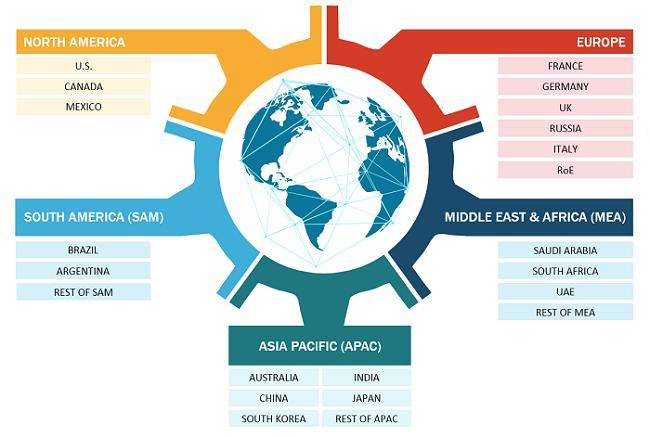
Europe: The regional leader, governed by the EU Green Deal and strict REACH regulations that penalize petroleum-based chemicals with high environmental toxicity.
-
North America: Driven by "clean label" consumer demand and regional bans on traditional surfactant byproducts.
-
Asia-Pacific: The volume engine of the future, as China and India implement stricter environmental standards for industrial manufacturing and sustainable agriculture.
About Us
The Insight Partners is a one-stop industry research provider of actionable intelligence. We help our clients find solutions to their research requirements through our syndicated and consulting research services across sectors including Chemicals and Materials, Healthcare, Technology, and Automotive. Our team of experts is dedicated to providing high-quality data and strategic insights to help businesses navigate complex market landscapes.
Contact Us
If you have any queries about this report or would like further information, please contact us:
Contact Person: Ankit Mathur
E-mail: sales@theinsightpartners.com
Phone: +1-646-491-9876

 Arabic
 French
 Spanish
 Portuguese
 Deutsch
 Turkish
 Dutch
Dutch
 Italiano
 Russian
 Romaian
 Portuguese (Brazil)
 Greek
Greek