

Exterior House Painting: Best Paint, Prep Tips, Climate Guide & Colors That Boost Resale Value
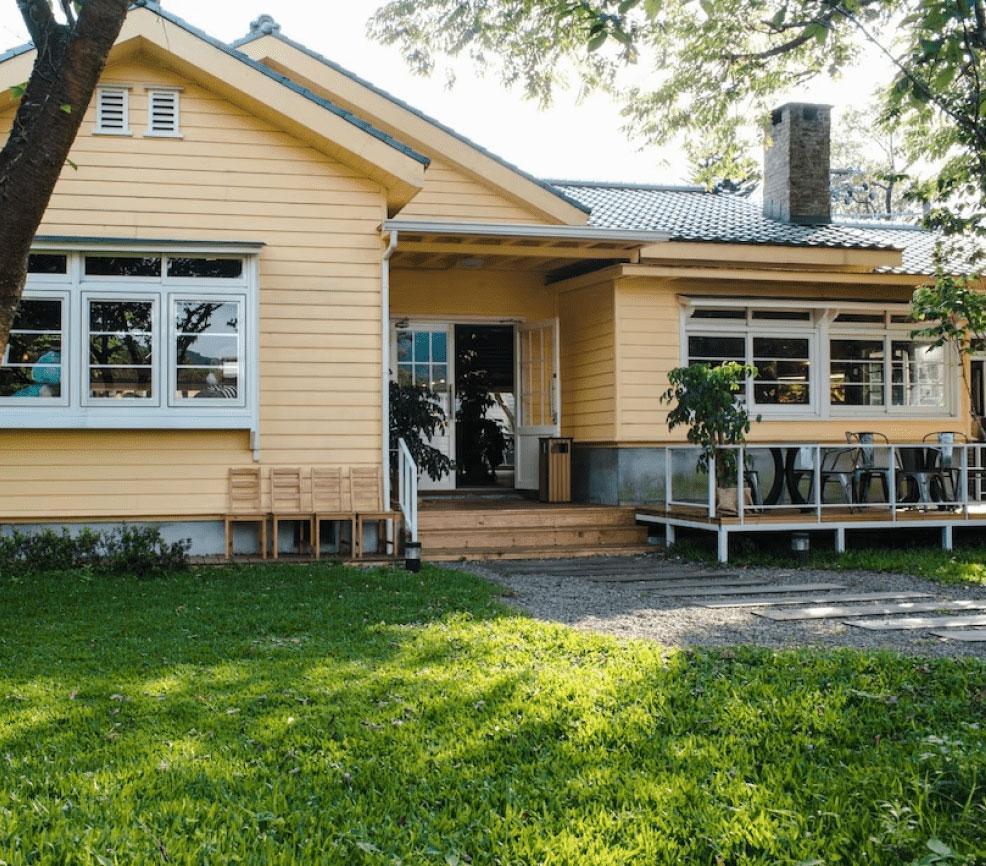
Your home's exterior paint does far more than improve its appearance. It serves as a protective barrier against rain, UV rays, wind, temperature changes, and moisture, all of which can gradually damage wood, siding, and structural surfaces over time. When applied properly, a high-quality exterior paint job can last anywhere from 10 to 20 years, while a poorly executed one may begin to fail in as little as 3 to 5 years.
Whether you're repainting to protect your investment, getting ready to sell, or simply enhancing curb appeal, working with professionals like JC Painting and Remodeling can make a significant difference. This guide covers everything you need, including the best paints, proper preparation techniques, climate-specific recommendations, and color choices that can genuinely boost your home's resale value.
How Long Does Exterior Paint Last?
Before spending money on paint and labor, it helps to understand realistic lifespans by surface type:
| Surface | Average Paint Lifespan |
|---|---|
| Wood siding | 7 – 10 years |
| Aluminum siding | 5 – 10 years |
| Stucco | 5 – 7 years |
| Brick | 10 – 15 years |
| Fiber cement | 10 – 15 years |
| New construction | 7 – 10 years |
Several factors shorten paint life significantly — extreme sun exposure, high humidity, skipped primer coats, poor surface prep, and cheap paint. Conversely, using premium paint on a properly primed, clean, and dry surface in a moderate climate can push longevity well past these averages.
Signs your exterior paint needs replacing:
- Peeling, bubbling, or cracking paint
- Fading or chalking surface residue
- Bare wood visible through worn paint
- Water stains or dark streaks on siding
Best Exterior Paints on the Market
Not all exterior paints are created equal. Here is a breakdown of the top performers by category:
Best Overall: Sherwin-Williams Emerald Exterior
Sherwin-Williams Emerald is widely considered the gold standard for exterior house paint. It offers exceptional coverage, outstanding durability, and superior resistance to moisture, mildew, and UV fading. It is 100% acrylic latex, self-priming on previously painted surfaces, and available in thousands of colors. It comes at a premium price — roughly $90–$110 per gallon — but the coverage and longevity justify the cost for most homeowners.
Best Value: Behr Marquee Exterior
Available exclusively at Home Depot, Behr Marquee delivers near-premium performance at a more accessible price point of $60–$75 per gallon. It offers one-coat hide on most colors, excellent fade resistance, and strong mildew protection. It is an ideal choice for homeowners seeking quality without the top-tier price tag.
Best for Harsh Climates: Benjamin Moore Aura Exterior
Benjamin Moore Aura uses proprietary Color Lock technology that locks color pigments deeper into the paint film, providing exceptional fade resistance in intense sun. It also resists cracking and peeling in extreme temperature fluctuations, making it a top choice for both desert climates and cold northern regions.
Best Budget Option: KILZ Exterior Siding, Fence & Barn Paint
For large surface areas like fences, barns, or outbuildings where premium performance is less critical, KILZ exterior paint delivers solid protection at roughly $30–$40 per gallon. It is not recommended for the main body of a home where longevity and appearance matter most.
Paint vs. Primer vs. Paint-and-Primer-in-One
- Separate primer + paint — best approach for bare wood, new surfaces, stained areas, or drastic color changes
- Paint-and-primer-in-one — acceptable for previously painted surfaces in good condition with similar color change
- Primer only — essential under all paint on bare, porous, or highly weathered surfaces
How to Prep Exterior Walls Before Painting
Preparation accounts for 80% of a successful paint job. No matter how premium your paint, it will fail prematurely on a poorly prepared surface. Follow these steps carefully:
Step 1: Clean the Surface Thoroughly
Dirt, mildew, chalk residue, and grime prevent paint from bonding properly. Pressure wash the entire exterior using a 1,500–2,500 PSI washer. For mildew-affected areas, apply a mixture of one part bleach to three parts water, scrub, and rinse thoroughly. Allow the surface to dry completely — at least 24 to 48 hours — before proceeding.
Step 2: Scrape and Sand Loose Paint
Use a paint scraper or wire brush to remove all loose, peeling, or flaking paint. Sand rough edges smooth with 80–100 grit sandpaper. Skipping this step is the number one reason exterior paint peels prematurely.
Step 3: Repair Damaged Surfaces
Fill cracks, holes, and gaps in wood siding with an exterior-grade wood filler or epoxy filler. For stucco, use a flexible elastomeric patching compound. Caulk all joints around windows, doors, trim, and corners with a high-quality paintable exterior caulk rated for 25–50 years. Allow all repairs to cure fully before painting.
Step 4: Prime All Bare Surfaces
Any area where raw wood, bare metal, or fresh patching compound is exposed must be primed before painting. Use an exterior oil-based primer for bare or weathered wood, and a bonding primer for stucco and masonry. Primer seals the surface, improves adhesion, and dramatically extends paint life.
Step 5: Protect What You're Not Painting
Cover landscaping, walkways, windows, doors, and light fixtures with drop cloths or plastic sheeting. Use painter's tape along trim lines, windows, and edges for clean, professional lines.
Climate Guide: Painting in Different Weather Conditions
Weather conditions at the time of application have a massive impact on how well exterior paint cures and bonds. Here is what you need to know region by region:
Hot & Humid Climates (Southeast, Gulf Coast)
Challenge: Heat causes paint to dry too quickly, leaving brush marks. Humidity traps moisture under the paint film, leading to bubbling and peeling.
Best practices:
- Paint in the early morning or late afternoon to avoid peak heat
- Apply paint when temperatures are between 50°F and 85°F
- Never paint when humidity exceeds 85%
- Use 100% acrylic latex paint — it handles moisture vapor better than oil-based
- Choose mildew-resistant formulas in high-humidity environments
Cold Climates (Midwest, Northeast, Mountain States)
Challenge: Cold temperatures slow drying and can prevent paint from curing properly. Frost and freezing temperatures cause paint failure.
Best practices:
- Never apply exterior paint when temperatures are below 35°F — most latex paints require a minimum of 35°F to 50°F
- Paint only during the warmest part of the day in fall or spring
- Check that overnight temperatures won't drop below 35°F for at least 48 hours after application
- Use cold-weather latex formulas specifically designed for lower temperature application
Dry & Desert Climates (Southwest, West)
Challenge: Intense UV radiation fades colors rapidly. Extreme heat and direct sun cause paint to dry unevenly.
Best practices:
- Always paint in the shade — follow the shaded side of the house throughout the day
- Choose 100% acrylic paint with superior UV inhibitors
- Benjamin Moore Aura and Sherwin-Williams Emerald are both strong performers in high-UV environments
- Lighter colors reflect heat and fade less visibly than dark tones
Rainy & Pacific Climates (Pacific Northwest, Northern Coast)
Challenge: Constant moisture and overcast conditions extend drying time and promote mildew growth.
Best practices:
- Check forecasts carefully — paint needs at least 24 hours of dry weather after application
- Use mildew-resistant, self-priming formulas
- Apply a penetrating wood sealer before priming on exposed wood surfaces
Can You Paint a House in Cold Weather?
Yes — but with strict conditions. Modern latex paints have improved significantly and some are rated for application in temperatures as low as 35°F. However, cold weather extends dry times, reduces sheen uniformity, and can cause the paint to become gummy or streak. The safest window for exterior painting in colder regions is late spring through early fall when daytime temperatures consistently remain above 50°F.
Best Exterior Paint Colors That Boost Resale Value
Color selection is more strategic than most homeowners realize. The right exterior color palette can add thousands of dollars to a home's perceived value, attract more buyers, and reduce time on the market.
Top Resale Colors in 2024–2025
1. Greige (Gray-Beige) The single most universally appealing exterior color in current real estate markets. Shades like Sherwin-Williams Accessible Beige, Agreeable Gray, and Benjamin Moore Revere Pewter appeal to the widest range of buyers and photograph beautifully. Greige is neutral, modern, and timeless.
2. Soft White & Cream Classic white and creamy white tones signal a clean, well-maintained home. They work with nearly every architectural style — from Colonial and Craftsman to modern farmhouse. Benjamin Moore White Dove and Chantilly Lace are consistently among the top-selling exterior whites.
3. Navy Blue Dark navy as a primary exterior color or accent has surged in popularity, particularly on Craftsman, Colonial, and farmhouse-style homes. It photographs dramatically well and commands attention in listings. Keep trim white or cream for maximum contrast and curb appeal.
4. Sage & Olive Green Nature-inspired greens have become strong sellers, particularly in markets where buyers are drawn to natural aesthetics. They blend beautifully with landscaping and work especially well on ranch-style and craftsman homes.
5. Charcoal Gray Deep charcoal as an exterior color conveys a modern, high-end aesthetic. It has performed particularly well in contemporary and transitional home styles where buyers skew younger.
Colors to Avoid for Resale
- Bright or neon colors — alienate the majority of buyers
- Very dark colors in hot climates — absorb heat and fade rapidly
- Highly personalized or trend-specific colors — date the home quickly
- Mismatched trim and body colors — create a disjointed, cheaper appearance
The 3-Color Rule for Exteriors
Professional painters and real estate stagers recommend the classic three-color formula for exterior painting:
- Body color — the dominant wall color (60% of visual surface)
- Trim color — doors, windows, eaves (30%)
- Accent color — front door, shutters, decorative details (10%)
This balance creates visual harmony and prevents the home from looking flat or overwhelming.
Cost Breakdown: DIY vs. Professional
| DIY | Professional | |
|---|---|---|
| Labor | Your time | $1.50 – $4.00 per sq ft |
| Paint (premium) | $60 – $110/gallon | Included in quote |
| Equipment | $100 – $300 one-time | Included |
| Total (avg. home) | $500 – $1,500 | $3,000 – $8,500 |
| Time required | 3–7 days | 2–4 days |
Hiring a professional is worth it for two-story homes, complex architectural details, or when surface repairs are extensive. DIY is perfectly achievable for one-story homes with straightforward siding and good preparation.
Final Thoughts
A well-executed exterior paint job is one of the highest-return investments a homeowner can make — improving protection, extending the life of your siding, and meaningfully boosting curb appeal and resale value. The formula for success is simple: choose quality paint matched to your climate, prepare surfaces thoroughly, paint in the right conditions, and select a color that appeals broadly.
Cutting corners on prep or paint quality will cost far more in the long run than investing in the right materials from the start. Done right, your exterior paint job will protect and beautify your home for a decade or more.

 English
 Arabic
 French
 Spanish
 Portuguese
 Deutsch
 Turkish
 Dutch
Dutch
 Italiano
 Russian
 Romaian
 Portuguese (Brazil)