

Bleeding Episodes in Varicose Veins
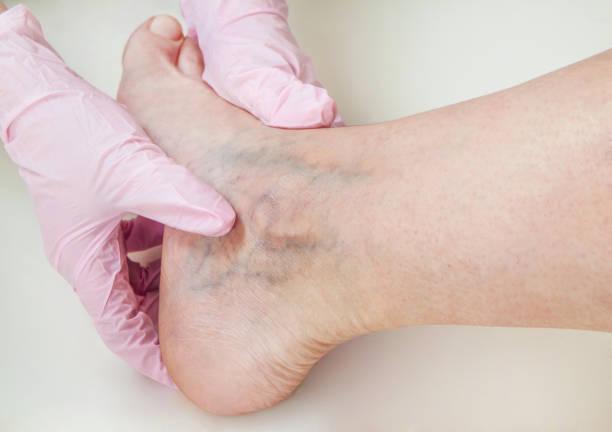
Bleeding from varicose veins is a rare but serious complication that can occur when enlarged veins near the skin surface become fragile or damaged. Because these veins are under higher pressure and lie close to the skin, even minor injury or scratching can sometimes lead to noticeable bleeding.
Treatment of varicose veins in Riyadh (علاج دوالي الساقين في الرياض) is important for patients with advanced vein conditions, as timely management helps reduce the risk of complications such as spontaneous bleeding and improves overall vein health.
- Varicose veins can become fragile over time
- Bleeding may occur from minor trauma
- High vein pressure increases risk
- Requires prompt medical attention
Why Varicose Veins Bleed
Increased Venous Pressure
When blood pools in weakened veins, pressure builds up, making the vein walls thin and more prone to rupture.
Superficial Location of Veins
Varicose veins are often close to the skin surface, which makes them more vulnerable to injury.
These factors are carefully addressed in Treatment of varicose veins in Riyadh to prevent complications and improve circulation.
- High pressure inside veins
- Thin vein walls
- Surface-level vein exposure
- Increased fragility over time
Common Triggers of Bleeding Episodes
Minor Injuries or Scratching
Even small cuts, bumps, or scratching the skin over a varicose vein can trigger bleeding.
Skin Fragility
Dry or damaged skin over veins increases the risk of vein rupture.
- Accidental bumps or cuts
- Scratching or irritation
- Thin, fragile skin
- Pressure on affected area
How Bleeding Appears
Sudden Onset
Bleeding may start suddenly and can sometimes appear more dramatic than expected due to vein pressure.
Bright Red Blood Flow
Because venous blood is under pressure, bleeding can appear steady and bright red.
- Sudden bleeding episode
- Bright red blood appearance
- Surface-level bleeding
- May seem heavy initially
Risks Associated with Bleeding Varicose Veins
Recurrent Bleeding
Once a vein has bled, it may be more likely to bleed again in the future.
Infection Risk
Open skin areas increase the risk of infection if not properly treated.
These risks highlight the importance of Treatment of varicose veins in Riyadh for long-term prevention.
- Repeated bleeding episodes
- Skin infection risk
- Delayed healing
- Increased discomfort
First Aid for Varicose Vein Bleeding
Apply Direct Pressure
Pressing firmly on the bleeding area helps control blood flow and stop the bleeding.
Elevate the Leg
Raising the leg above heart level reduces pressure in the vein and slows bleeding.
- Apply firm pressure immediately
- Elevate affected limb
- Use clean dressing
- Seek medical help if needed
Medical Treatment for Bleeding Veins
Compression Therapy
Compression stockings help reduce pressure in veins and prevent future bleeding.
Minimally Invasive Procedures
Laser or sclerotherapy treatments can close weak veins and eliminate bleeding risk.
Surgical Options
In severe cases, surgical removal of affected veins may be required.
These are part of advanced Treatment of varicose veins in Riyadh approaches.
- Compression support
- Laser vein closure
- Sclerotherapy injections
- Surgical intervention if necessary
Preventing Bleeding Episodes
Protecting the Skin
Keeping skin moisturized and avoiding injuries reduces the risk of vein rupture.
Managing Vein Pressure
Treating underlying varicose veins helps reduce pressure and prevent complications.
- Avoid skin trauma
- Keep skin hydrated
- Wear protective clothing
- Treat underlying vein issues
Who is at Higher Risk
Advanced Varicose Vein Patients
People with long-standing or severe varicose veins are more likely to experience bleeding.
Elderly Individuals
Aging skin and weaker veins increase vulnerability.
- Severe varicose veins
- Thin or fragile skin
- Older age group
- History of vein issues
When to Seek Medical Help
Persistent or Heavy Bleeding
If bleeding does not stop quickly, immediate medical attention is required.
Recurrent Episodes
Repeated bleeding indicates underlying vein damage that needs treatment.
- Uncontrolled bleeding
- Frequent episodes
- Skin damage around veins
- Signs of infection
Conclusion: A Preventable Complication
Bleeding from varicose veins can be alarming, but it is usually preventable with proper care and timely treatment. Understanding the risks and taking early action can significantly reduce complications and improve vein health.
Treatment of varicose veins in Riyadh offers effective solutions to strengthen vein function, reduce pressure, and prevent bleeding episodes through modern medical techniques.
Book an Appointment at Royal Clinic Saudia
If you are experiencing bleeding or advanced varicose vein symptoms, Royal Clinic Saudia (عيادات رويال كلينك) provides expert evaluation and advanced treatment options. Their specialized care focuses on improving circulation, preventing complications, and ensuring long-term vein health.
FAQs:
Why do varicose veins bleed?
They bleed due to high pressure in weakened, surface-level veins that can rupture easily.
Is bleeding from varicose veins dangerous?
It can be serious if not controlled quickly and may require medical attention.
How can I stop varicose vein bleeding at home?
Apply firm pressure, elevate the leg, and seek medical help if bleeding continues.
What are Symptoms Signaling Varicose Treatment Need in bleeding cases?
They include visible veins, swelling, heaviness, skin fragility, and repeated bleeding episodes indicating advanced vein disease.

 English
 Arabic
 Spanish
 Portuguese
 Deutsch
 Turkish
 Dutch
Dutch
 Italiano
 Russian
 Romaian
 Portuguese (Brazil)
 Greek
Greek