

Waterproofing Tips for a Successful Basement Renovation
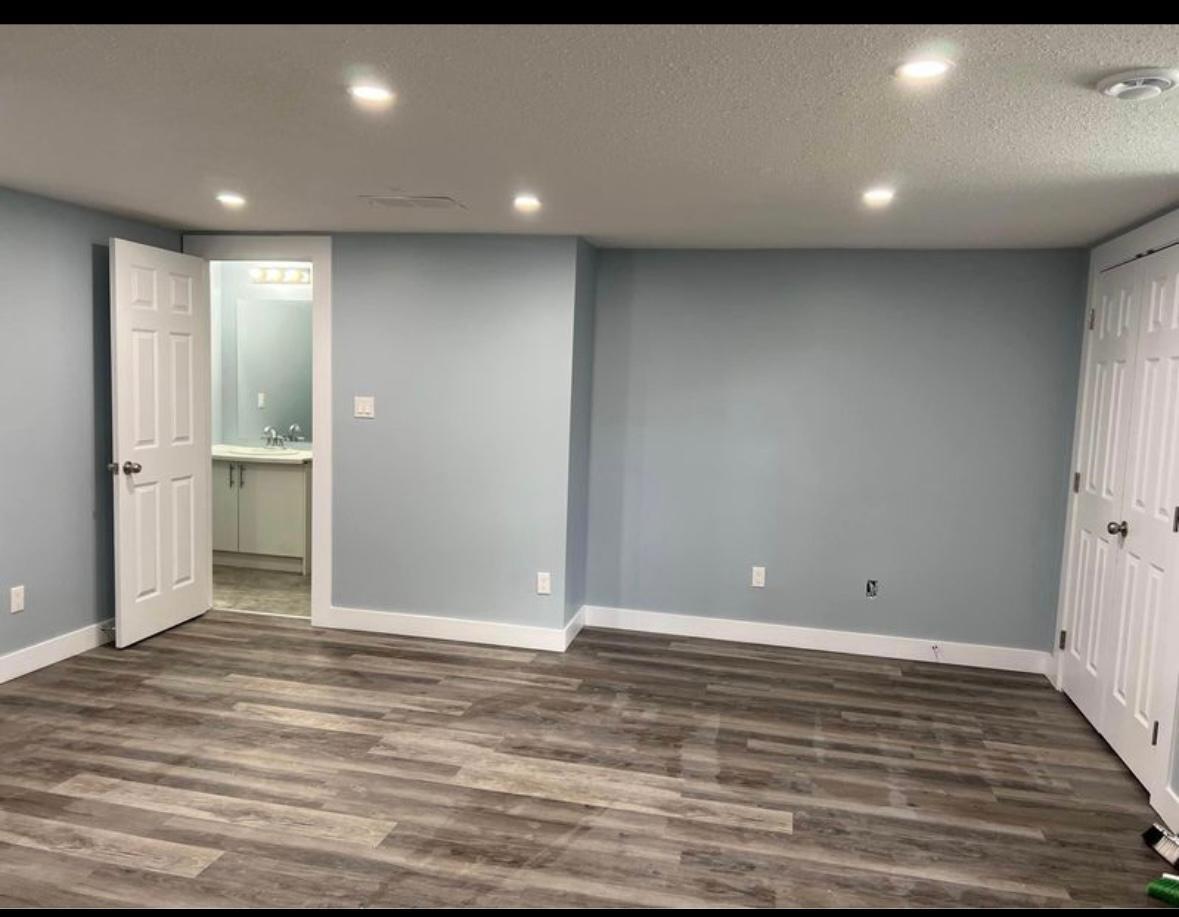
A well-planned basement renovation can significantly expand your living space, increase property value, and improve overall comfort. However, one of the most critical aspects of any basement project is waterproofing. Without proper moisture control, even the most beautifully finished basement can suffer from mold, structural damage, and costly repairs. Understanding how to effectively waterproof your basement ensures your investment remains safe, durable, and long-lasting.
This guide provides practical, experience-based waterproofing tips to help you achieve a successful and reliable basement renovation.
Why Waterproofing Matters in Basement Renovation
Basements are naturally more vulnerable to moisture due to their below-ground location. Water can enter through foundation cracks, poor drainage systems, or high humidity levels. In Canadian climates, freeze-thaw cycles and heavy rainfall can further increase the risk of water infiltration.
Proper waterproofing protects your basement renovation by:
- Preventing mold and mildew growth
- Preserving structural integrity
- Improving indoor air quality
- Reducing long-term maintenance costs
Ignoring waterproofing can lead to serious issues that compromise both your home and health.
Inspect for Existing Moisture Problems
Before starting any renovation work, thoroughly inspect your basement for signs of moisture. Identifying existing issues early allows you to address them before they worsen.
Look for:
- Damp spots or water stains on walls and floors
- Musty odors
- Cracks in the foundation
- Peeling paint or efflorescence (white powdery residue)
A professional inspection can provide a more detailed assessment, especially if the source of moisture is not immediately visible.
Repair Foundation Cracks and Weak Points
Cracks in the foundation are one of the most common entry points for water. Even small cracks can allow moisture to seep in over time.
Effective repair methods include:
- Epoxy or polyurethane injections for sealing cracks
- Hydraulic cement for larger gaps
- Reinforcement of weakened structural areas
Addressing these issues is a crucial step in any basement renovation, as it creates a solid and watertight foundation for further work.
Improve Exterior Drainage
Waterproofing doesn’t stop at the interior—it starts outside your home. Proper exterior drainage prevents water from accumulating around the foundation.
Key improvements include:
- Ensuring gutters and downspouts direct water away from the house
- Grading the landscape to slope away from the foundation
- Installing or maintaining weeping tiles (drainage systems)
These measures reduce hydrostatic pressure, which is a major cause of basement leaks.
Install Interior Waterproofing Systems
Interior waterproofing solutions provide an additional layer of protection. These systems manage water that may enter despite exterior defenses.
Common solutions include:
- Interior drainage systems
- Sump pumps to remove accumulated water
- Waterproof membranes applied to walls
For a successful basement renovation, combining both interior and exterior waterproofing methods offers the best results.
Use Moisture-Resistant Materials
Choosing the right materials is essential in a basement environment. Standard building materials may not withstand high humidity levels.
Recommended options:
- Moisture-resistant drywall (green board or cement board)
- Vinyl or tile flooring instead of hardwood
- Mold-resistant insulation
Using appropriate materials ensures your basement renovation remains durable and low-maintenance over time.
Control Indoor Humidity
Even without visible leaks, high humidity can cause problems in a basement. Controlling moisture levels is key to maintaining a healthy environment.
Effective strategies include:
- Installing a dehumidifier
- Using proper ventilation systems
- Sealing windows and doors to prevent moisture entry
Maintaining humidity levels below 50% helps prevent mold growth and protects your renovation investment.
Seal Walls and Floors
Applying waterproof sealants to basement walls and floors adds an extra layer of defense against moisture.
Sealants can:
- Block minor water seepage
- Reduce humidity penetration
- Improve overall durability
While sealants alone are not a complete solution, they are an important part of a comprehensive waterproofing strategy for any basement renovation.
Plan for Proper Insulation
Insulation plays a dual role in basements, it improves energy efficiency and helps control moisture. However, not all insulation types are suitable for below-grade spaces.
Best options include:
- Rigid foam insulation
- Spray foam insulation
- Closed-cell insulation materials
Avoid materials that absorb moisture, as they can lead to mold growth and reduced effectiveness.
Work with Experienced Professionals
Waterproofing a basement is a complex process that requires expertise and precision. Hiring experienced professionals ensures that all aspects of your basement renovation are handled correctly.
Professionals can:
- Identify hidden moisture issues
- Recommend effective waterproofing solutions
- Ensure compliance with building codes
- Provide long-term warranties and peace of mind
Their experience helps prevent costly mistakes and ensures your renovation is built to last.
Conduct Final Testing and Inspection
Before completing your basement renovation, perform a thorough inspection to ensure all waterproofing measures are effective.
Check for:
- Any signs of moisture after rainfall
- Proper functioning of drainage systems and sump pumps
- Sealed joints and cracks
Testing your waterproofing system before finishing the space allows you to address any issues early.
Long-Term Maintenance Tips
Waterproofing is not a one-time task, it requires ongoing maintenance to remain effective.
Regular maintenance includes:
- Cleaning gutters and downspouts
- Checking sump pump operation
- Inspecting for new cracks or leaks
- Monitoring indoor humidity levels
Consistent upkeep ensures your basement renovation stays dry and protected for years to come.
Final Thoughts
A successful basement renovation depends heavily on proper waterproofing, and working with an experienced renovation contractor ensures moisture issues are addressed early with the right solutions. By improving drainage and using durable, moisture-resistant materials, a professional renovation contractor can help create a safe, comfortable, and long-lasting living space. Taking a proactive approach not only protects your investment but also enhances the overall value and functionality of your home. Whether you’re transforming your basement into a living area, office, or rental unit, a skilled renovation contractor ensures effective waterproofing for a durable and worry-free renovation.c

 English
 Arabic
 French
 Spanish
 Portuguese
 Deutsch
 Turkish
 Italiano
 Russian
 Romaian
 Portuguese (Brazil)
 Greek
Greek