

Top Pneumonia Symptoms Fort Worth Residents Need to Know
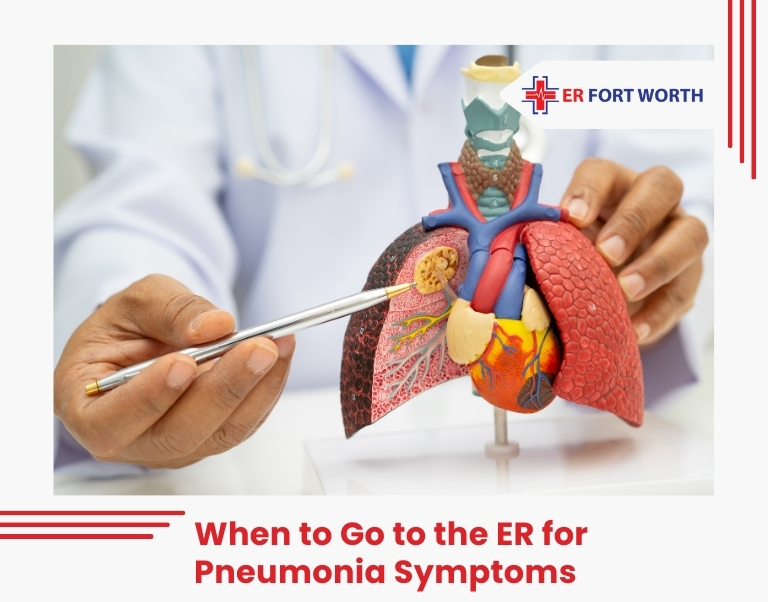
Recognizing high fever, as a warning sign of pneumonia can help you take action before the condition becomes serious. In Fort Worth, respiratory infections are common, especially during colder seasons, increasing the risk of pneumonia.
Pneumonia is a lung infection that can quickly progress if not treated early. Understanding the key symptoms helps residents respond promptly and avoid complications.
What Is Pneumonia?
Pneumonia is an infection that inflames the air sacs in the lungs, which may fill with fluid or pus.
Key Facts:
- Caused by bacteria, viruses, or fungi
- Can affect one or both lungs
- Severity ranges from mild to life-threatening
Important Insight:
Symptoms can appear suddenly or gradually depending on the cause.
Top Pneumonia Symptoms to Watch For
Understanding high fever, and other symptoms helps identify pneumonia early.
Most Common Symptoms:
- Persistent cough (with mucus)
- High fever
- Chills and sweating
- Shortness of breath
- Chest pain when breathing
- Fatigue and weakness
Key Insight:
High fever is often one of the earliest and most noticeable signs of pneumonia.
Severe Pneumonia Symptoms
Some symptoms indicate serious complications.
Warning Signs:
- Difficulty breathing
- Rapid heartbeat
- Confusion or disorientation
- Bluish lips or fingertips
- Severe chest pain
Important Note:
These symptoms require immediate medical care in Fort Worth.
Pneumonia Symptoms in Children
Children may show different signs.
Common Signs:
- High fever
- Rapid breathing
- Vomiting
- Low energy
- Difficulty feeding
Key Insight:
Children may worsen quickly, so early attention is crucial.
Pneumonia Symptoms in Older Adults
Older adults may not always show typical symptoms.
Common Signs:
- Confusion
- Weakness
- Mild or no fever
- Breathing difficulty
Important Insight:
Even mild symptoms can be serious in older adults.
Causes of Pneumonia
Understanding causes helps reduce risk.
Common Causes:
- Bacterial infections
- Viral infections (flu or COVID-19)
- Fungal infections
Key Insight:
Untreated respiratory infections often lead to pneumonia.
Real-Life Example
A resident of Fort Worth experienced a persistent cough and high fever, but delayed seeking care. Within days, breathing became difficult, requiring hospitalization.
Early recognition of pneumonia symptoms could have prevented severe complications.
Who Is at Higher Risk?
Some groups are more vulnerable.
High-Risk Groups:
- Children under 5
- Adults over 65
- Smokers
- People with chronic diseases
- Individuals with weak immunity
Treatment Options
Home Care (Mild Cases):
- Rest and hydration
- Fever-reducing medication
- Warm fluids
Medical Treatment:
- Antibiotics (for bacterial pneumonia)
- Antiviral medications
- Oxygen therapy for severe cases
Key Insight:
Prompt treatment leads to faster recovery.
Prevention Tips in Fort Worth
Preventive measures reduce infection risk.
Effective Steps:
- Vaccination (flu and pneumonia vaccines)
- Regular handwashing
- Avoid smoking
- Maintain a strong immune system
- Avoid close contact with sick individuals
These practices are essential in Fort Worth.
Why Early Detection Matters
Recognizing high fever, and other symptoms early can save lives.
Benefits:
- Faster diagnosis
- Reduced complications
- Lower hospitalization risk
- Better recovery outcomes
Final Thoughts
Understanding high fever, as a key pneumonia symptom is vital for early action. In Fort Worth, awareness of symptoms can help residents seek timely care and avoid serious health risks.
If symptoms worsen or breathing becomes difficult, seek medical attention immediately.

 English
 Arabic
 French
 Spanish
 Portuguese
 Deutsch
 Turkish
 Dutch
Dutch
 Italiano
 Romaian
 Portuguese (Brazil)
 Greek
Greek