

Heat Transfer Solutions: Driving Efficiency, Performance, and Innovation
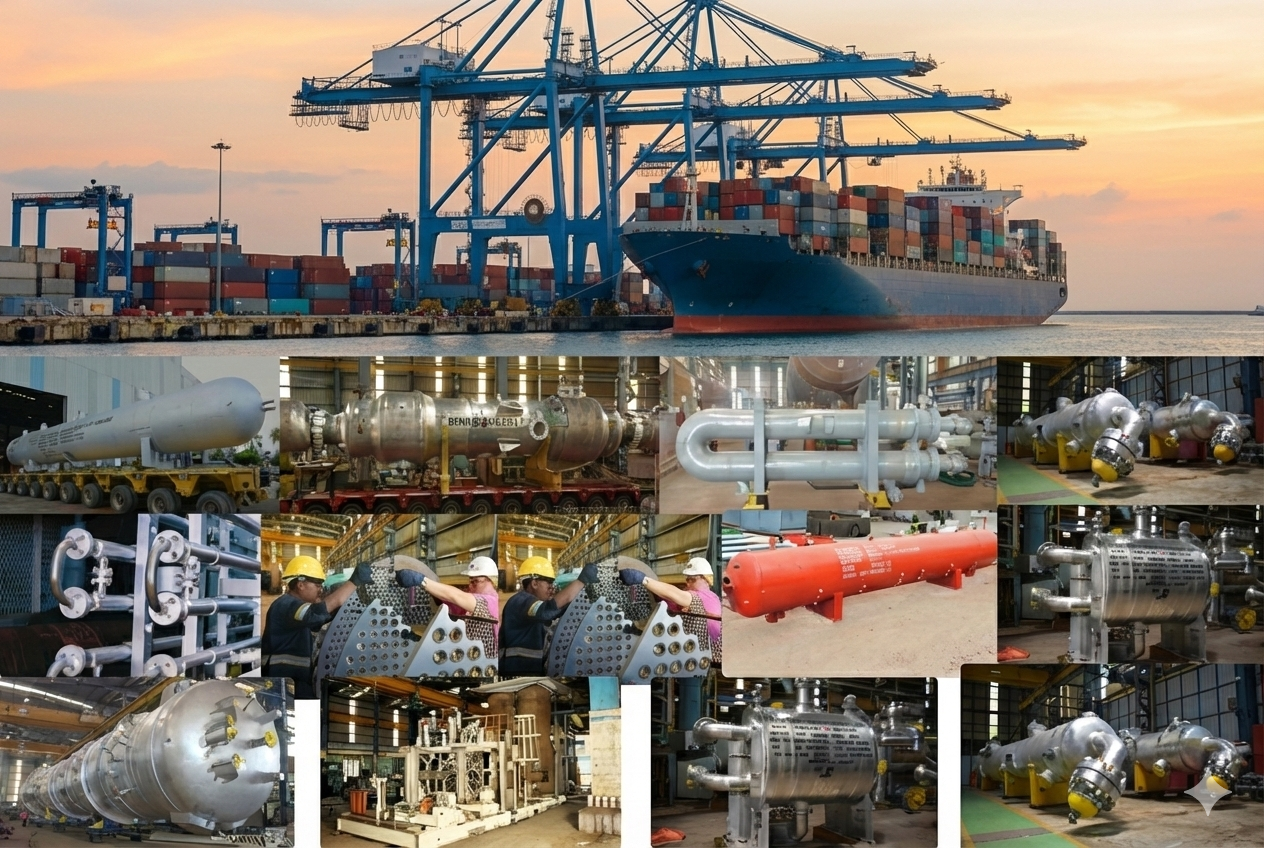
In every industrial process, controlling temperature is not just a requirement—it’s a critical factor that determines efficiency, safety, and product quality. This is where Heat Transfer Solutions play a vital role. From manufacturing plants to power generation facilities, advanced heat management systems ensure that operations run smoothly while minimizing energy consumption and operational costs.
Understanding Heat Transfer Solutions
Heat transfer refers to the movement of thermal energy from one point to another through conduction, convection, or radiation. Effective Heat Transfer Solutions are designed to optimize this movement, ensuring that heat is either retained or dissipated as required by the process.
Modern industries rely on specialized equipment such as heat exchangers, cooling systems, thermal insulation materials, and fluid handling technologies to maintain precise temperature control. These solutions are engineered to meet diverse industrial demands, whether it’s cooling machinery, heating materials, or maintaining stable process temperatures.
Importance in Industrial Applications
Efficient Heat Transfer Solutions are essential across multiple sectors:
-
Manufacturing: Maintaining optimal temperatures improves product consistency and reduces defects.
-
Power Generation: Enhances energy efficiency by maximizing heat recovery and minimizing losses.
-
Chemical Processing: Ensures safe reactions and consistent output quality.
-
HVAC Systems: Provides comfortable indoor environments with energy-efficient temperature control.
Without proper heat management, systems can overheat, energy consumption can spike, and equipment lifespan can be significantly reduced.
Key Components of Effective Heat Transfer
A well-designed heat transfer system integrates several critical elements:
-
Heat Exchangers: Devices that transfer heat between fluids without mixing them.
-
Thermal Fluids: Specialized liquids that efficiently carry heat across systems.
-
Insulation Materials: Prevent unwanted heat loss or gain, improving energy efficiency.
-
Cooling Systems: Remove excess heat to maintain safe operating conditions.
Each component must be carefully selected and integrated to match the specific requirements of the application.
Benefits of Advanced Heat Transfer Solutions
Implementing modern Heat Transfer Solutions offers several advantages:
-
Energy Efficiency: Reduces energy consumption and operational costs.
-
Improved Equipment Life: Prevents overheating and thermal stress.
-
Enhanced Productivity: Maintains consistent operating conditions for better output.
-
Environmental Sustainability: Minimizes energy waste and carbon emissions.
Organizations that invest in efficient heat transfer technologies often see significant long-term savings and improved system reliability.
Innovation and Future Trends
The field of heat transfer is continuously evolving with new technologies and materials. Innovations such as compact heat exchangers, nanofluids, and smart thermal management systems are transforming how industries approach temperature control.
Digital monitoring and automation are also becoming integral, allowing real-time tracking and optimization of heat transfer processes. These advancements not only improve efficiency but also enable predictive maintenance, reducing downtime and unexpected failures.
Choosing the Right Heat Transfer Partner
Selecting the right provider for Heat Transfer Solutions is crucial. A reliable partner understands the unique requirements of different industries and offers customized solutions tailored to specific applications. Expertise, quality standards, and a strong focus on innovation are key factors to consider.
Conclusion
Efficient temperature management is at the heart of modern industrial success. With the right Heat Transfer Solutions, businesses can enhance performance, reduce costs, and contribute to a more sustainable future. As industries continue to evolve, the demand for advanced, reliable, and energy-efficient heat transfer systems will only grow, making them an indispensable part of industrial infrastructure.

 English
 Arabic
 French
 Spanish
 Portuguese
 Deutsch
 Turkish
 Dutch
Dutch
 Italiano
 Russian
 Portuguese (Brazil)
 Greek
Greek