

Fire Protection Tips: Prevent Fires Before They Start
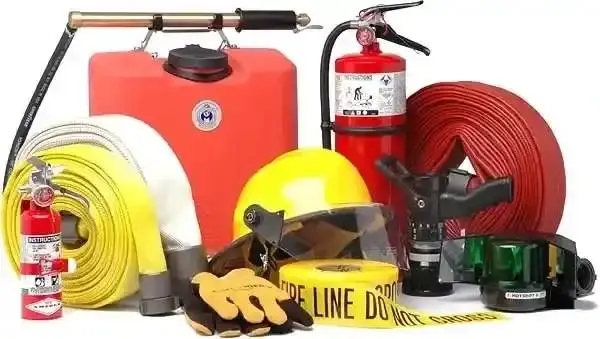
Most people think fire accidents are rare—until one happens close to them.
The truth? Fires don’t usually start with something dramatic. They begin with small, overlooked issues—like a loose wire or unattended equipment.
That’s why fire protection isn’t just about reacting to emergencies. It’s about preventing them before they even begin.
Let’s break down exactly how you can do that.
What is Fire Protection?
Fire protection is a complete approach to safety that focuses on:
- Preventing fire hazards
- Detecting fire early
- Controlling or extinguishing flames
- Protecting lives and property
It combines equipment, planning, and awareness.
Instead of relying on luck, fire protection creates a system where risks are controlled—and damage is minimized.
The Real Impact of Fire Incidents
A fire doesn’t just burn things—it disrupts everything.
Human Impact
- Injuries or loss of life
- Emotional trauma
Financial Damage
- Property loss
- Business shutdowns
- Expensive repairs
Operational Disruption
- Downtime for businesses
- Loss of customer trust
One small incident can create long-term consequences.
Top Causes of Fire You Must Understand
Understanding causes is the first step to prevention.
Electrical Failures
Faulty wiring and overloaded circuits are leading fire triggers.
Open Flames
Candles, cooking, or smoking materials can quickly ignite surroundings.
Flammable Materials
Improper storage of chemicals or fuels increases risk.
Equipment Malfunction
Machines or appliances overheating without maintenance.
Human Negligence
Simple mistakes—like forgetting to turn off devices—cause major fires.
Essential Fire Protection Systems
A strong fire protection setup includes multiple layers.
Fire Detection Systems
- Smoke detectors
- Heat sensors
Provide early warning.
Fire Suppression Systems
- Sprinklers
- Fire Suppression System Installation :Costs & Codes
Control fire before it spreads.
Fire Extinguishers
Quick response tools for small fires.
Emergency Systems
- Exit signs
- Emergency lighting
Help safe evacuation.
Each system plays a role—together, they create a complete safety network.
How to Build a Fire Safety Plan (Step-by-Step)
You don’t need to be an expert to improve fire safety—just follow this:
Step 1: Identify Risks
Walk through your space and look for:
- Electrical hazards
- Flammable items
- Unsafe practices
Step 2: Install Protection Systems
Make sure essential systems are in place and functional.
Step 3: Create an Evacuation Plan
Everyone should know:
- Exit routes
- Emergency meeting points
Step 4: Train People
Teach basic fire response and equipment usage.
Step 5: Schedule Inspections
Regular checks ensure your systems don’t fail when needed.
Mistakes People Make in Fire Safety
Even careful people make these errors:
Ignoring Small Warning Signs
Burning smells or sparks are early alerts.
Skipping Maintenance
Equipment doesn’t last forever.
Blocking Fire Exits
A major safety violation.
Using Wrong Extinguishers
Different fires need different extinguishers.
Delaying Action
Waiting until “later” often leads to bigger problems.
Why Professional Fire Protection Services Matter
DIY safety is good—but professional support is better.
Experts like Otis Fire Protection help with:
- System installation
- Certified inspections
- Maintenance and compliance
They ensure everything works exactly when it’s needed.
If you’ve ever searched for a fire protection company near me, you already know how important expert support is.
Expert-Level Fire Prevention Tips
Want to go beyond basics? Try this:
- Keep a fire safety checklist
- Inspect electrical systems regularly
- Replace outdated equipment
- Store flammable materials properly
- Conduct fire drills periodically
Fire safety is not a one-time task—it’s a habit.
FAQs About Fire Protection
What is fire protection?
Fire protection includes systems and practices designed to prevent fires, detect them early, and control damage. It combines equipment, planning, and maintenance to ensure safety in homes and businesses.
How does fire protection prevent damage?
It detects fires early and activates systems like alarms and sprinklers to control flames. This reduces spread, minimizes damage, and allows people to evacuate safely.
How much should I invest in fire protection?
The investment depends on property size and risk level. Basic systems are affordable, while advanced setups cost more. However, prevention always costs less than recovery.
What are the most important fire safety tools?
Fire alarms, extinguishers, and sprinkler systems are essential. Together, they provide early detection, quick response, and effective fire control.
Is fire protection necessary for small spaces?
Yes. Even small spaces can face fire risks. Basic fire protection measures can prevent serious damage and ensure safety.
How often should I check fire safety systems?
Fire safety systems should be checked regularly, with professional inspections at least once a year to ensure everything is working properly.
Conclusion
Fire protection is not just about equipment—it’s about awareness, preparation, and action.
Fires don’t wait. They don’t give second chances.
But with the right strategies, systems, and mindset—you can stop disasters before they start.
Because when it comes to fire being prepared is everything.

 English
 Arabic
 French
 Portuguese
 Deutsch
 Turkish
 Dutch
Dutch
 Italiano
 Russian
 Romaian
 Portuguese (Brazil)
 Greek
Greek