

Common RSV Symptoms in Adults and When to See a Doctor
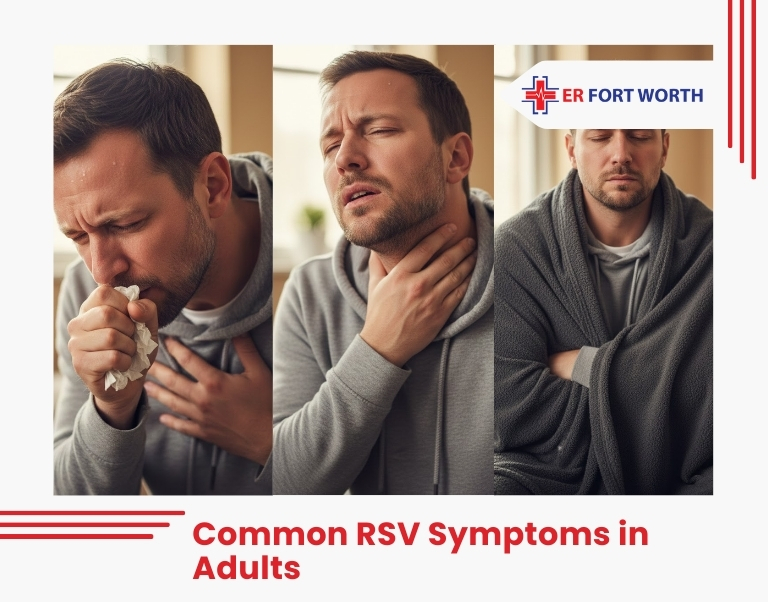
Recognizing Severe RSV symptoms early is important because what starts as a mild respiratory infection can quickly become serious in adults. RSV (Respiratory Syncytial Virus) is often associated with children, but it can also affect adults—especially older individuals and those with underlying health conditions.
In the United States, RSV cases tend to rise during colder months, making awareness of symptoms and timely medical care essential.
What Is RSV?
RSV is a contagious virus that infects the respiratory system.
Quick Definition:
Severe RSV symptoms, occur when the infection spreads deeper into the lungs, leading to breathing difficulties and complications.
Key Insight:
While many adults experience mild symptoms, some cases can become serious and require medical attention.
Common RSV Symptoms in Adults
Early RSV symptoms often resemble a common cold.
Typical Symptoms:
- Runny or stuffy nose
- Dry cough
- Mild fever
- Sore throat
- Fatigue
- Headache
Key Insight:
These symptoms are usually mild but should be monitored closely.
Moderate RSV Symptoms
As the infection progresses, symptoms may worsen.
Signs to Watch:
- Persistent cough
- Wheezing
- Increased fatigue
- Shortness of breath
Key Insight:
Worsening respiratory symptoms can indicate a more serious infection.
Severe RSV Symptoms
Recognizing Severe RSV symptoms, can help prevent complications.
Warning Signs:
- Difficulty breathing
- Chest tightness or pain
- High fever
- Severe weakness
- Bluish lips or face
Key Insight:
Severe symptoms require immediate medical attention.
Who Is at Higher Risk?
Some adults are more likely to develop severe illness.
High-Risk Groups:
- Older adults
- People with chronic lung or heart disease
- Individuals with weakened immune systems
- Those with underlying respiratory conditions
Causes and Spread of RSV
Understanding how RSV spreads helps reduce risk.
Transmission Methods:
- Respiratory droplets from coughing or sneezing
- Close contact with infected individuals
- Touching contaminated surfaces
Key Insight:
RSV spreads quickly in crowded indoor spaces across the United States.
When to See a Doctor
Knowing when to seek help is critical.
See a Doctor If:
- Symptoms last more than a few days
- Cough becomes persistent
- Fever increases
- Breathing becomes uncomfortable
Seek Emergency Care If:
- Difficulty breathing
- Chest pain
- Severe weakness
- Bluish lips or face
Key Insight:
Do not delay care if Severe RSV symptoms, appear.
Real-Life Example
In the United States, an adult initially had mild cold-like symptoms that progressed into severe coughing and breathing difficulty. Early medical care helped manage Severe RSV symptoms, and prevent hospitalization.
Treatment Options
Treatment focuses on symptom relief and supportive care.
Home Care:
- Rest and hydration
- Over-the-counter medications
- Warm fluids and humidified air
Medical Care:
- Oxygen therapy in severe cases
- Hospitalization if breathing worsens
Key Insight:
Early treatment reduces severity and speeds up recovery.
Prevention Tips
Preventing RSV is possible with simple precautions.
Effective Measures:
- Wash hands frequently
- Avoid close contact with sick individuals
- Clean frequently touched surfaces
- Maintain strong immunity
Why Awareness Matters
Understanding Severe RSV symptoms, helps protect your health.
Benefits:
- Early detection
- Reduced complications
- Faster recovery
- Better outcomes
Final Thoughts
Recognizing Severe RSV symptoms, early is essential for preventing serious complications. In the United States, where RSV spreads more during colder seasons, awareness can help reduce risks.
If symptoms worsen or breathing becomes difficult, seek medical attention immediately.

 English
 Arabic
 French
 Spanish
 Portuguese
 Deutsch
 Turkish
 Italiano
 Russian
 Romaian
 Portuguese (Brazil)
 Greek
Greek