

Advantages of Patterned Rugs for Hiding Dirt and Wear
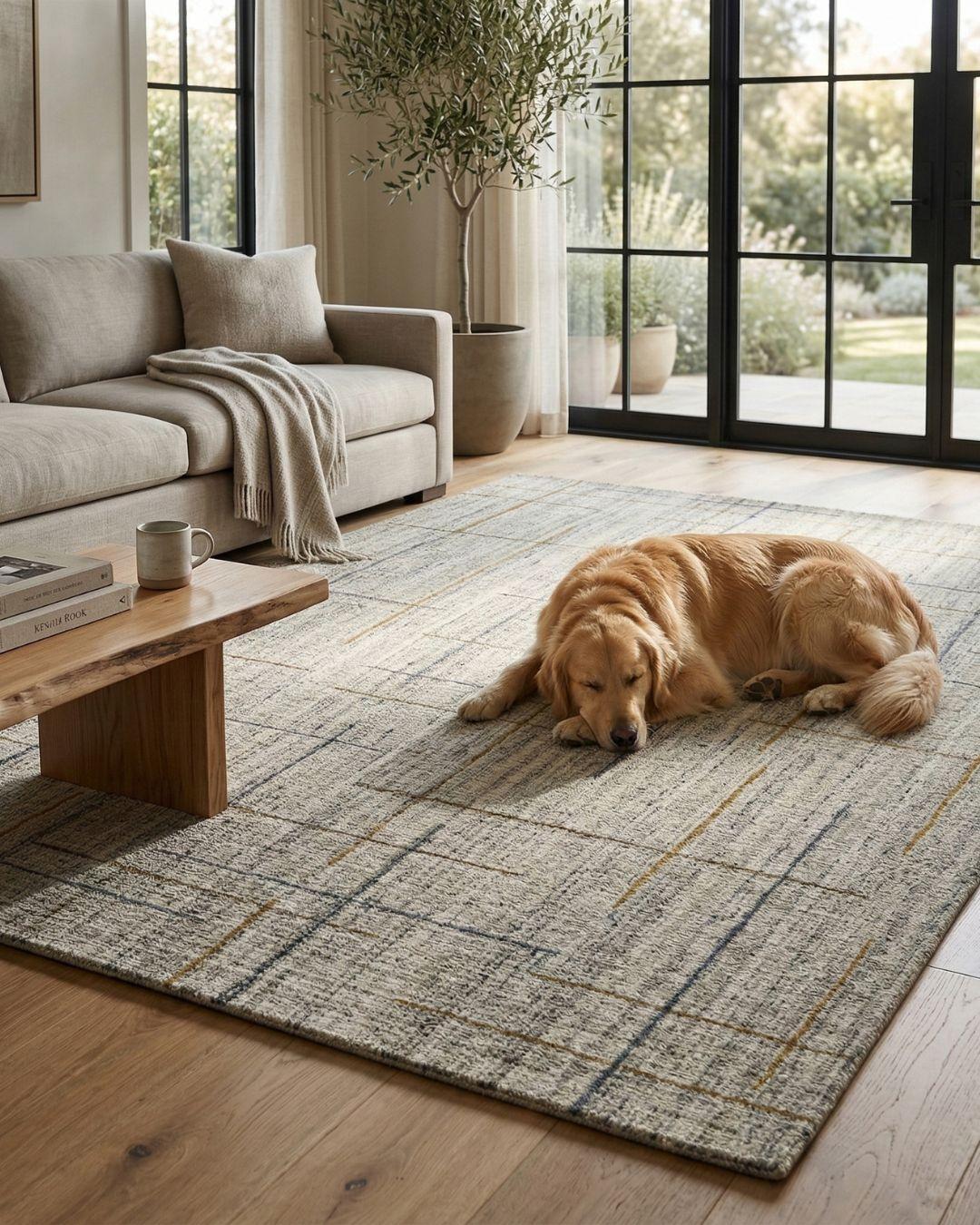
The challenge of maintaining a pristine home often feels like a losing battle against the inevitable forces of foot traffic, pet dander, and accidental spills. While a minimalist, solid-colored floor might look breathtaking in a staged catalog, the reality of daily life quickly reveals every speck of dust and every fiber out of place. This is where the strategic brilliance of interior design comes into play, specifically through the many advantages of patterned rugs for hiding dirt and wear. By choosing a floor covering that embraces complexity, homeowners can create a beautiful environment that remains visually forgiving between deep cleans. A well-chosen pattern does more than just anchor a room; it acts as a sophisticated camouflage, masking the common signs of aging and activity that would otherwise compromise the elegance of your living space.
The Psychological Power of Visual Complexity in Flooring
When we look at a solid surface, the human eye is naturally drawn to any interruption in that uniformity. A single crumb on a white carpet or a footprint on a dark charcoal rug stands out because it breaks the expected visual consistency. Patterned rugs function on the opposite principle by providing a busy landscape where the eye does not know where to settle. This visual "noise" effectively absorbs small imperfections, making it nearly impossible to distinguish a minor stain from a deliberate part of the design. This is particularly useful in high-traffic zones where the structural integrity of the fibers might begin to flatten over time. The shifting colors and shapes within the pattern create a sense of depth that distracts from the physical wear of the pile, ensuring that your investment continues to look fresh for years.
The selection of colors within a pattern further enhances this deceptive quality. For instance, a dark green oriental area rug is a masterclass in functional beauty. The deep hues naturally recede, while the intricate floral or geometric motifs provide a chaotic enough backdrop to hide everything from tracked-in soil to pet hair. Because these rugs often utilize a palette of earth tones combined with richer pigments, they mirror the very colors of the "dirt" we try to avoid. This synergy between color theory and pattern design allows homeowners to enjoy a high-end aesthetic without the high-maintenance stress associated with more delicate, monochrome options.
Material Selection and the Durability of Natural Fibers
Beyond the visual pattern itself, the material used to construct the rug plays a vital role in how well it withstands the rigors of a busy household. Natural fibers are often favored for their inherent resilience and their ability to hold onto dyes in a way that creates a rich, layered look. Many designers suggest looking at jute rugs living room setups because the organic variations in the fiber already provide a built-in "pattern" of sorts. Jute and sisal have a rugged texture that naturally conceals dust within their weaves. When these materials are woven into specific patterns, such as chevrons or diamonds, they offer a double layer of protection against the appearance of wear. The sturdiness of these fibers ensures that even under heavy furniture or constant walking, the rug maintains its shape and charm.
In more formal settings or bedrooms where comfort is prioritized alongside durability, the density of the weave becomes the primary focus. A tightly knotted patterned rug will prevent dirt from sinking deep into the backing, making it easier to vacuum away while the pattern keeps the surface looking immaculate. This balance of tactile softness and visual durability is essential for creating a space that feels lived-in yet luxurious. Whether you are searching through commercial carpet stores near me for high-performance office solutions or seeking a cozy addition to a nursery, the combination of a busy pattern and a high-quality fiber like wool or treated synthetic blends will always yield the best long-term results.
Navigating Scale and Proportion for Maximum Longevity
The scale of the pattern is just as important as the colors used when it comes to masking wear. Large, sweeping motifs tend to be less effective at hiding small spots than dense, repetitive patterns. When a pattern is tight and intricate, the "camouflage" effect is intensified. However, the size of the rug itself also dictates how wear is distributed across the room. Homeowners often underestimate the space they need to cover, but opting for extra large area rug sizes allows for better furniture placement, which in turn protects the rug. By placing the legs of sofas and tables on the rug, you anchor the piece and prevent it from sliding, which reduces the friction that leads to premature fiber breakdown.
Large rugs also provide a cohesive visual field that makes a room feel more expansive. In a large master suite, a pink area rug for bedroom use can add a soft, romantic touch while still benefiting from patterned camouflage. If the pink is integrated into a medallion or a faded Persian style, it avoids the "flat" look that shows every stray hair or piece of lint. The key is to ensure that the pattern scales appropriately with the room; a tiny pattern in a massive hall might feel dizzying, whereas a medium-scale geometric or traditional rug provides the perfect balance of aesthetic appeal and practical grime-hiding capabilities.
The Practical Investment of High Performance Design
Choosing a patterned rug is not just a stylistic choice; it is a savvy financial decision for those who want to maximize the lifespan of their home furnishings. Replacing a rug every two years because it looks "beaten down" or stained is a significant drain on resources. Patterned rugs, particularly those in darker or multi-toned palettes, significantly extend the time between professional cleanings. They are the workhorses of the interior design world, capable of transitioning through different trends while remaining steadfast in their utility. This is why you will often see patterned options as the primary recommendation in commercial settings or high-end residential projects where the cost of maintenance is a major consideration.
Furthermore, the resale and heirloom value of patterned rugs, especially hand-knotted oriental varieties, tends to be much higher than that of solid-colored contemporary pieces. These rugs are designed to age gracefully. In the world of antique rugs, a bit of "abrash"—the natural variation in color—is actually a sought-after quality. When a rug already features a complex array of colors and shapes, the slight fading or "patina" that comes with decades of use only adds to its character rather than making it look dirty. Investing in a quality patterned piece means you are buying a product that is designed to look better as it matures, standing up to the chaos of pets, children, and parties with effortless grace.
Future Trends in Resilient Home Textiles
As we look toward the future of home design, the focus is shifting more heavily toward "performance" textiles that do not sacrifice beauty for function. We are seeing a resurgence in maximalist patterns that utilize high-contrast colors to create even more effective camouflage. The modern homeowner is increasingly looking for pieces that offer a "set it and forget it" level of maintenance. This evolution is driving manufacturers to create even more intricate designs using recycled materials and stain-resistant technologies, ensuring that even a lighter-toned patterned rug can compete with its darker counterparts in terms of durability.
The integration of traditional motifs with modern color palettes is a growing trend that allows for versatility in various decor styles, from industrial lofts to coastal cottages. By understanding the functional benefits of these designs, consumers are moving away from the "disposable" decor mindset. Instead, they are choosing patterned rugs as the foundation of their rooms—a literal and figurative ground that can handle the messiness of life while keeping the home looking like a curated sanctuary. The enduring popularity of these designs proves that the best way to deal with dirt and wear is not to fight it, but to outsmart it with a well-chosen pattern.
Frequently Asked Questions
Why are patterned rugs better for high traffic areas than solid colors?
Patterned rugs excel in high-traffic areas because they utilize visual complexity to confuse the eye. In a solid-colored rug, any indentation from a footstep or any speck of dust creates a high-contrast interruption that is immediately visible. Patterned rugs, however, contain various shapes and colors that mimic the appearance of minor debris or fiber crushing. This allows the rug to maintain a "clean" appearance for much longer, as the inevitable signs of daily use simply blend into the existing design elements.
How does color choice impact the ability of a rug to hide stains?
The effectiveness of a pattern is heavily reliant on its color palette. Generally, mid-tone colors and multi-colored designs are the most forgiving. Very light colors will show dark mud or spills, while very dark colors will highlight light-colored dust, lint, and pet hair. A rug that incorporates a mix of earth tones, such as browns, greens, and greys, provides the best camouflage because these colors most closely resemble the natural debris tracked into a home.
Can a patterned rug work in a small room without making it feel cluttered?
Yes, a patterned rug can work beautifully in a small space if the scale of the pattern is chosen correctly. Contrary to popular belief, a large pattern can actually make a small room feel more expansive by drawing the eye across the floor. To avoid a cluttered feeling, it is helpful to keep the surrounding furniture and wall colors relatively neutral, allowing the rug to serve as the primary focal point. This creates a sophisticated, layered look that feels intentional rather than cramped.
What are the best rug materials for pet owners concerned about wear?
For pet owners, wool is often considered the gold standard because it is naturally stain-resistant and highly resilient to being stepped on. However, synthetic options like polypropylene are also excellent because they are non-absorbent and can often be cleaned with mild soap and water. When combined with a busy pattern, these materials become nearly "pet-proof," hiding shed fur and resisting the physical wear caused by claws and constant movement.
How do I choose the right rug size to ensure even wear over time?
Choosing the right size is crucial for preventing "paths" from forming on your rug. An extra-large rug that allows all furniture legs to sit on the pile helps distribute weight and foot traffic more evenly. If a rug is too small, people will constantly walk on the edges, leading to frayed borders and uneven fading. It is also recommended to rotate your patterned rug 180 degrees every six months to ensure that sunlight exposure and foot traffic patterns are balanced across the entire surface.

 English
 Arabic
 Spanish
 Portuguese
 Deutsch
 Turkish
 Dutch
Dutch
 Italiano
 Russian
 Romaian
 Portuguese (Brazil)
 Greek
Greek