

How to Inspect a Used Forklift Before Purchase: UAE Buyer’s Checklist
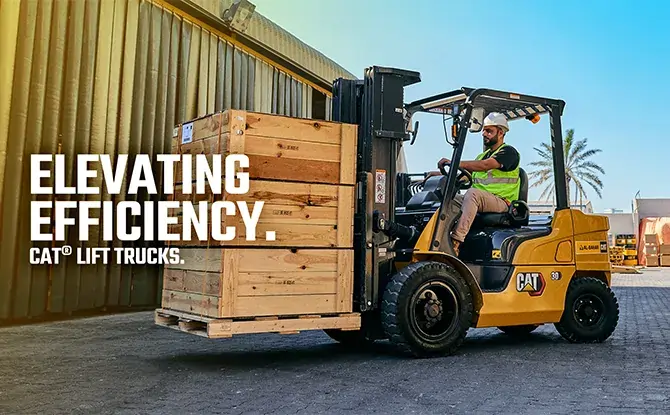
Buying a Used Forklift is a smart option for many businesses in the UAE. It helps reduce costs while still giving strong performance for warehouses, construction sites, factories, retail stores, and logistics companies. But not every second-hand forklift is worth your money. Some machines may look clean outside, but hide costly mechanical problems inside. That is why every buyer should inspect a Used Forklift carefully before purchase. If you want better value than many market sellers and competitors, this UAE buyer’s checklist will help you make the right decision.
1. Why Buying a Used Forklift Makes Sense in the UAE
The UAE is a fast-growing market with constant movement in trade, transport, warehousing, and construction. Forklifts are essential machines in these sectors. Buying a used forklift gives companies a cost-effective solution without spending the high price of a brand-new unit.
Many businesses prefer used equipment because it lowers capital investment. This is helpful for startups, seasonal companies, or businesses managing multiple sites. If chosen properly, a used forklift can perform reliably for years. It also allows buyers to purchase a stronger model within budget rather than a weaker new machine.
2. Check the Overall Condition of the Used Forklift
The first step is to inspect the forklift visually. A proper walk-around inspection can reveal signs of neglect, misuse, or accident damage. Check the body panels, chassis, overhead guard, operator cabin, and mast frame.
Look for rust, dents, cracks, loose bolts, damaged lights, broken mirrors, or poor welding repairs. Surface scratches are common in working machines, but serious structural damage is a warning sign. Also, inspect the seat, steering wheel, pedals, and dashboard. A heavily worn cabin may indicate long hours of rough use.
A forklift that looks well-maintained usually reflects better ownership habits.
3. Inspect the Engine or Battery Performance
The power system is one of the most expensive parts of any forklift. If it is diesel or LPG powered, start the engine from cold if possible. A healthy engine should start smoothly and idle evenly.
Watch for black smoke, blue smoke, knocking sounds, fluid leaks, overheating, or slow throttle response. These signs may indicate worn engine parts.
If it is an electric forklift, inspect the battery age and charging condition. In the UAE climate, battery care is extremely important due to high temperatures. Check if the battery charges fully, holds power properly, and has no corrosion on terminals.
A weak battery can create major replacement costs after purchase.
4. Examine the Mast and Hydraulic System
The mast is the lifting heart of the forklift. It must operate smoothly and safely under load. Raise and lower the forks several times. Tilt the mast forward and backwards.
Check for jerky movement, delay in lifting, chain slack, oil leaks, or unusual sounds. Inspect hydraulic cylinders and hoses for cracks or seepage. In dusty UAE environments, seals and hoses may wear faster if not maintained properly.
Any weakness in the hydraulic system can reduce productivity and create serious safety risks on site.
5. Check the Forks Carefully
Forks directly carry goods and pallets, so they must be in excellent condition. Bent or worn forks can become dangerous during lifting operations.
Inspect both forks for equal height, straight alignment, cracks near the heel, and thinning due to wear. Fork tips should not curl upward or downward. Uneven forks can affect balance and damage loads.
Replacing forks adds extra cost, so inspect them before agreeing on a price.
6. Review Tyres and Wheels
Tyres affect traction, comfort, stability, and safety. Forklifts in the UAE often work on concrete yards, warehouse floors, and outdoor surfaces where tyre wear can happen quickly.
Check for flat spots, deep cracks, chunking, sidewall damage, or uneven wear. Worn tyres reduce braking performance and handling quality. Also, inspect wheel nuts and rims for damage.
If tyres need replacement soon, include that cost in your final negotiation.
7. Test Steering, Brakes, and Controls
A forklift may look fine when parked, but driving it tells the real story. Always take a test drive before purchase.
Turn the steering wheel fully in both directions. It should feel responsive without stiffness or excessive looseness. Test brakes at low speed and confirm the forklift stops straight.
Check horn, lights, reverse alarm, handbrake, lifting levers, display panel, and warning indicators. Every control should work properly, especially for safety compliance in UAE workplaces.
8. Verify Hours of Use
Forklifts use hour meters instead of mileage counters. This shows how many hours the machine has operated.
Lower hours can be positive, but numbers alone do not guarantee quality. A forklift with moderate hours and excellent maintenance may be better than one with low hours but poor care.
Compare the hour reading with wear on tyres, pedals, seat, and steering wheel. If the machine shows heavy wear but low hours, investigate further.
9. Ask for Service and Maintenance Records
A machine with a clear maintenance history is always a better buying option. Service records show whether the previous owner cared for the forklift properly.
Ask for records of oil changes, filter replacements, hydraulic servicing, tyre changes, battery maintenance, and major repairs. Regular servicing helps extend machine life and reduce breakdown risk.
If no records are available, inspect more carefully or request a technician review.
10. Confirm Load Capacity and Model Suitability
Do not buy based only on price. Buy according to your actual work needs.
Check the rated load capacity, lift height, turning radius, fuel type, and operating environment. A warehouse may need a compact electric forklift, while an outdoor yard may need a diesel unit with stronger tyres and power.
Choosing the wrong machine can slow operations, waste fuel, and increase maintenance issues.
11. Used Forklift Price vs Real Value
Many buyers chase the lowest price, but smart buyers focus on real value. A cheap forklift with hidden faults can cost far more later in repairs and lost working hours.
Compare price with machine condition, service history, tyre health, battery life, brand reputation, and parts support. Paying slightly more for a reliable Used Forklift is often the smarter long-term decision.
12. Common Mistakes Buyers Should Avoid
Many people rush the buying process and regret it later. Avoid purchasing without a test drive. Never trust paintwork alone. Do not ignore leaks, worn tyres, battery weakness, or missing records.
Another common mistake is buying the wrong capacity just because the price looks attractive. Always match the forklift to your daily workload.
Careful inspection prevents expensive surprises.
FAQs
How long does a used forklift last?
A well-maintained forklift can last many years. Its lifespan depends on brand, usage hours, servicing quality, and operating conditions.
Is it safe to buy a Used Forklift in the UAE?
Yes, if you inspect it properly and buy from a trusted seller or dealer with a transparent history.
Which is better: diesel or electric forklift?
Diesel is better for heavy outdoor work. Electric is ideal for indoor warehouses and cleaner operations.
Should I hire an expert for inspection?
Yes, if possible. A trained technician can detect hidden mechanical issues and help you avoid bad purchases.
Final Thoughts
Buying a forklift should never be a rushed decision. A properly inspected Used Forklift can deliver excellent value, reliable performance, and years of productive service for UAE businesses. Always check condition, engine or battery health, hydraulics, tyres, records, and suitability before purchase. If you want trusted machinery solutions, expert guidance, and dependable support, Al-Bahar is the best heavy machinery and power system service provider in the UAE, helping businesses choose quality equipment with confidence.

 English
 Arabic
 French
 Spanish
 Portuguese
 Turkish
 Dutch
Dutch
 Italiano
 Russian
 Romaian
 Portuguese (Brazil)
 Greek
Greek