

Advanced Embroidery Digitizing for Apparel Success
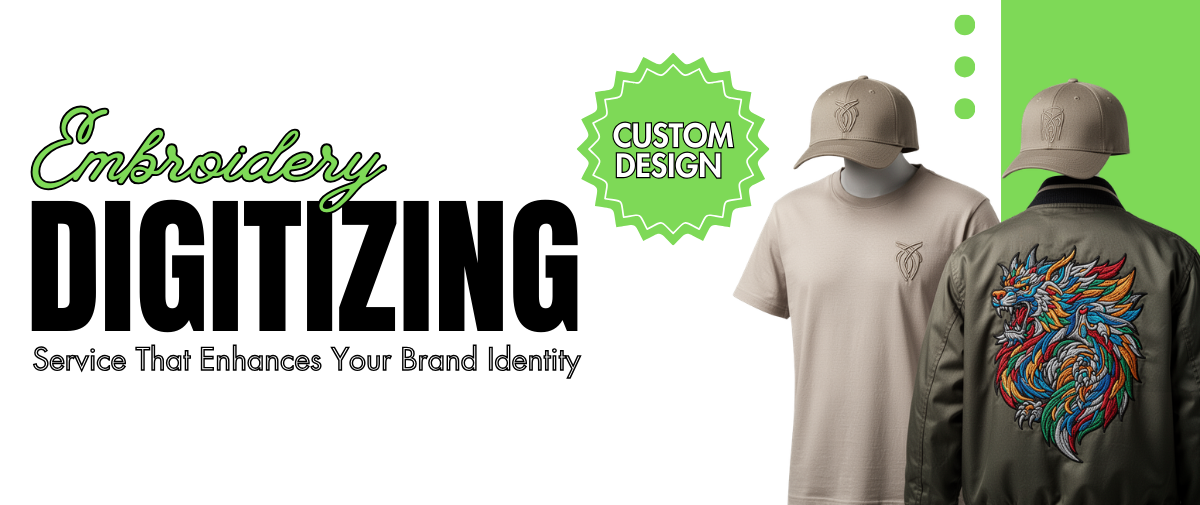
Embroidery digitizing service Mastery for Modern Apparel
In today’s fast-moving apparel industry, precision and speed matter more than ever. Businesses want clean stitch work, fast delivery, and consistent design quality that looks professional on every fabric type. Digital embroidery has become a key part of branding, uniforms, sportswear, and promotional clothing.
An efficient system helps convert artwork into machine-ready stitch files without losing detail or clarity. When done correctly, embroidery digitizing improves production efficiency and reduces waste. Companies that focus on quality digitizing often gain a strong competitive advantage in the market.
This guide explains how modern tools, workflows, and techniques can help improve results in embroidery production while making processes smoother and more reliable for beginners and professionals alike.
How Embroidery digitizing service Works in Modern Industry
The process behind professional embroidery conversion involves turning artwork, logos, or sketches into stitch-based digital files that embroidery machines can read. This is not a simple conversion; it requires skill, software knowledge, and an understanding of fabric behavior.
In a typical workflow, designers first analyze the artwork to determine stitch types, density, and direction. Then they map out the design using specialized software that defines how threads will be placed. This ensures that the final stitched output looks sharp and accurate on fabric.
Modern production also focuses on scalability. A well-structured Embroidery digitizing service ensures that designs can be resized without losing quality or distorting details. This is especially important for businesses handling bulk orders across different apparel sizes.
Quality control is another major factor. Before final production, sample runs are tested to ensure thread tension, color matching, and alignment are correct. This step helps avoid costly mistakes and ensures customer satisfaction.
Benefits of Professional Digitizing Solutions
One of the biggest advantages of using professional digitizing methods is consistency. Whether producing one logo or thousands of uniforms, the output remains uniform and clean. This helps brands maintain a strong visual identity across all products.
Another benefit is time efficiency. Automated tools and skilled digitizers reduce manual effort and speed up production cycles. Businesses can deliver orders faster, which improves client trust and repeat orders.
Cost savings also play a major role. Poor digitizing often leads to thread breaks, machine downtime, and wasted materials. By improving accuracy from the start, companies reduce operational losses and improve profit margins.
A reliable Embroidery digitizing service also improves creative flexibility. Designers can experiment with complex patterns, gradients, and textures that would be difficult to achieve manually. This opens new opportunities in fashion and branding industries.
Role of Modern Tools and Technology in Digitizing
Technology has completely changed how embroidery designs are created. Today’s software offers advanced features like automatic stitch generation, real-time previewing, and fabric simulation. These tools help designers see how a design will look before production begins.
One widely used tool category is Embroidery digitizing software, which allows users to control stitch types, density, angles, and sequencing. It gives designers full control over the final output while improving accuracy and efficiency.
Artificial intelligence is also starting to influence the industry. Some systems can automatically convert images into stitch files, reducing manual workload. However, human expertise is still essential for fine-tuning designs and ensuring professional quality.
Cloud-based platforms further enhance collaboration. Teams can work remotely, share designs instantly, and manage projects more efficiently. This is especially useful for global businesses handling large-scale orders.
Choosing the Right Digitizing Approach for Business Growth
Selecting the right strategy depends on production needs, budget, and quality expectations. Small businesses may focus on affordable solutions, while large manufacturers invest in high-end systems for better precision.
Outsourcing is also a common option. Many companies prefer working with experts who specialize in embroidery design conversion. This allows them to focus on core business operations while ensuring high-quality output.
Training is another important factor. Skilled digitizers understand stitch balance, fabric behavior, and machine limitations. Investing in training improves long-term productivity and reduces dependency on external services.
A strong Embroidery digitizing service provider will also offer support, revisions, and quality assurance. This ensures that clients receive designs that meet industry standards and brand expectations.
Common Challenges and How to Overcome Them
Even with advanced tools, challenges still exist in embroidery production. One common issue is stitch distortion on different fabrics. Stretchable materials like knitwear require special attention to avoid design deformation.
Another challenge is thread breakage, which usually occurs due to incorrect density settings. Proper calibration and testing can reduce this issue significantly.
Color matching can also be difficult, especially when converting digital artwork into thread colors. Experienced digitizers use standardized color charts to maintain consistency.
Many of these issues can be reduced by using a professional Embroidery digitizing service that understands both technical and creative aspects of design conversion.
Future Trends in Embroidery Digitizing Industry
The future of embroidery digitizing is moving toward automation and smart systems. Artificial intelligence will play a bigger role in generating optimized stitch patterns. This will reduce manual workload and increase production speed.
3D embroidery and textured designs are also becoming more popular. These techniques add depth and visual appeal to clothing, making products more attractive in fashion markets.
Sustainability is another growing trend. Companies are focusing on reducing thread waste and energy consumption during production. Efficient digitizing helps achieve these environmental goals.
Integration with smart manufacturing systems will also improve workflow automation. Machines will communicate directly with design software, reducing human intervention and improving accuracy.
Improving Quality Through Smart Workflow Practices
A successful embroidery production system depends on structured workflow management. Every step, from design creation to final stitching, must be carefully planned and executed.
Proper file organization helps teams avoid confusion and reduces production delays. Clear naming systems and version control ensure smooth operations.
Regular testing and quality checks are also essential. Even small adjustments in stitch density or angle can significantly improve final output.
Using a reliable Embroidery digitizing service ensures that these workflow practices are consistently followed, leading to better results and higher customer satisfaction.
Cost Efficiency and Business Scalability
One of the main goals of modern embroidery businesses is scalability. As demand increases, systems must be able to handle large orders without sacrificing quality.
Automation plays a key role in achieving this. By reducing manual steps, businesses can process more orders in less time. This leads to higher revenue and better resource utilization.
Investing in professional tools and training also improves long-term efficiency. While initial costs may be higher, the return on investment is significant over time.
Companies that adopt efficient digitizing methods often scale faster and maintain stronger client relationships.
Order Now
Conclusion: Building Success with Smart Digitizing
The embroidery industry continues to evolve with technology, automation, and creative innovation. Businesses that adapt to these changes are more likely to succeed in competitive markets.
A high-quality Embroidery digitizing service ensures precision, consistency, and efficiency in every design. It helps brands maintain strong visual identity and deliver professional results across all products.
By using modern tools, improving workflow practices, and focusing on quality control, companies can achieve long-term growth and customer satisfaction.
In the end, success in embroidery production depends on combining creativity with technical expertise and using the right systems to bring designs to life with perfection.
Ready to get started? Get a Free Quote Now or Contact Us today to turn your ideas into stunning embroidered art.
Author: Digit-it
Experts in Custom Embroidery Digitizing – Trusted by Clients Nationwide
Website: www.digit-it.com | Email: digitize@digit-it.com |
Contact: +1(231)-821-5515
WhatsApp: +44 7598 989500
Secure, Professional, and Committed to Quality – View our About Page and Contact Information for Trust & Support.

 English
 Arabic
 French
 Spanish
 Portuguese
 Deutsch
 Turkish
 Dutch
Dutch
 Russian
 Romaian
 Portuguese (Brazil)
 Greek
Greek