

Why Do Restaurants Use Non-Stick Wrapping Solutions?
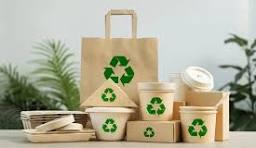
Restaurants often look for simple ways to keep food handling smooth during busy hours. One common reason is to avoid food sticking during preparation and serving. When food does not stick, staff can work faster and with less stress. It also helps maintain clean surfaces, which saves time during cleanup. In busy kitchens, even small delays can affect service speed. Another reason is food quality. When items stay intact, they look better when served. This matters for customer satisfaction because people often notice appearance.
How does surface resistance help food handling speed?
Surface resistance supports faster food handling by reducing sticking issues during preparation. Food moves smoothly from one step to the next without interruption. This supports faster service during busy kitchen hours, where many orders arrive at the same time. Repeated handling becomes lower, which saves effort for the kitchen staff.
Many kitchens also use materials like custom parchment paper sheets to support this smooth handling process, especially when preparing baked or delicate foods. Workflow becomes more stable because food stays in its proper form. This helps manage large order volumes within a shorter time while maintaining control over preparation steps.
What makes food presentation more consistent in busy kitchens?
Food presentation becomes consistent when the handling method remains stable across all staff members. Food shape remains unchanged during movement, which helps every plate look similar during service. Consistency builds customer trust because the same appearance appears during each order.
Food that moves without sticking keeps natural structure from preparation stage to serving stage. This supports steady service during peak hours. Kitchen teams face fewer mistakes because food does not break or lose shape during handling. Consistent presentation also helps maintain organized service flow across all orders prepared during busy hours.
Why does moisture control matter during food service?
Moisture control plays an important role in maintaining food quality during preparation and serving. Too much moisture can soften food while low moisture can dry food. Both conditions affect food texture and overall quality.
Balanced moisture helps food stay stable from cooking stage to serving stage. Taste and texture remain closer to original form during service hours. Many kitchen environments depend on moisture control methods to keep food ready for customers without quality loss during holding time.
How do modern kitchens reduce food waste during preparation?
Food waste reduces when food stays intact during handling and preparation. Food that sticks or breaks cannot be reused, which increases waste level. Smooth handling methods help keep food in usable condition for a longer time.
Staff members experience fewer errors during cooking steps when food remains stable. This helps use ingredients in a better way and reduces unnecessary waste. Kitchen operations become more efficient because resources stay useful for serving customers instead of being discarded due to damage during preparation.
What role does heat stability play in daily cooking tasks?
Heat stability helps materials stay strong during cooking processes. Many kitchen tasks involve heat exposure, so stable materials help maintain food quality during cooking cycles. Without heat stability, food structure may change during preparation.
Stable materials allow kitchen staff to cook without interruptions. Food keeps shape during baking or heating steps, which supports steady cooking results. Heat stability also helps maintain safety during high temperature operations, which improves reliability of daily kitchen work.
How do hygiene standards improve with barrier materials?
Hygiene standards improve when food does not touch surfaces directly during preparation. Barrier materials reduce contact between food, hands, and tools. This lowers risk of contamination during food handling.
Cleaning becomes easier when food does not stick to surfaces. Staff members spend less time cleaning tools during service hours, which supports a cleaner working environment. Food safety improves because direct contact reduces during multiple preparation stages inside kitchen areas.
Why is food separation important in high volume service?
Food separation helps keep each item in the proper position during preparation and service. In high volume kitchens, many orders move at the same time, so separation avoids mixing or damage.
Each food item stays in correct form until serving stage. Staff members can manage orders without confusion during busy hours. Separation supports smooth order flow and reduces mistakes during the preparation and delivery process. This helps maintain steady kitchen performance during peak service times.
How do chefs maintain texture during storage and serving?
Texture stays stable when food receives proper handling during storage and serving stages. Food that avoids pressure or sticking keeps its natural form for a longer time. This helps maintain eating quality for customers.
Chefs use careful handling methods to prevent food from breaking or changing shape. Food remains closer to original condition from kitchen stage to serving stage. This supports better eating experience and keeps food ready for service without texture loss.
What improves workflow efficiency in kitchen preparation areas?
Workflow efficiency improves when food handling becomes simple and smooth. Food movement without sticking helps staff complete tasks faster during busy service hours. This reduces waiting time between preparation steps.
Less time goes into fixing food issues, so staff members focus more on cooking tasks. Coordination between team members becomes better during peak hours. Kitchen operations stay more stable because preparation steps move without interruption or delay.
How do eco conscious choices influence material selection?
Eco-conscious choices influence the selection of materials that reduce waste and support responsible usage. Many kitchens prefer materials that create less environmental impact during daily service.
Some food businesses also rely on trusted suppliers for a stable material supply. Wax Papers Hub offers custom printed paper options that help support daily kitchen needs without disrupting workflow. These choices help businesses maintain stable operations while reducing unnecessary material waste during preparation and service activities.
How can businesses choose reliable suppliers for paper-based food contact materials?
Businesses require suppliers that maintain stable quality for food contact materials. Consistency helps maintain safe food handling during daily operations. Reliable supply also supports smooth kitchen performance without interruption.
Some startups and food service businesses work with Wax Papers Hub because supply remains steady for daily requirements. Proper supplier selection helps reduce operational risk and supports stable service flow during busy hours. This helps kitchens maintain control over preparation and serving processes.
How does material choice support better food service planning?
Material choice supports better planning inside kitchen operations by making food handling easier and more predictable. Smooth handling materials help staff manage time in a better way during preparation and service.
Food that stays stable allows advance preparation without quality loss. This helps kitchens manage customer orders more efficiently during busy service periods. Planning becomes easier because food remains ready for serving without unexpected changes in structure or quality.

 English
 Arabic
 French
 Spanish
 Deutsch
 Turkish
 Dutch
Dutch
 Italiano
 Russian
 Romaian
 Portuguese (Brazil)
 Greek
Greek