

RSV Symptoms in Adults: Early Warning Signs You Should Know in the United States
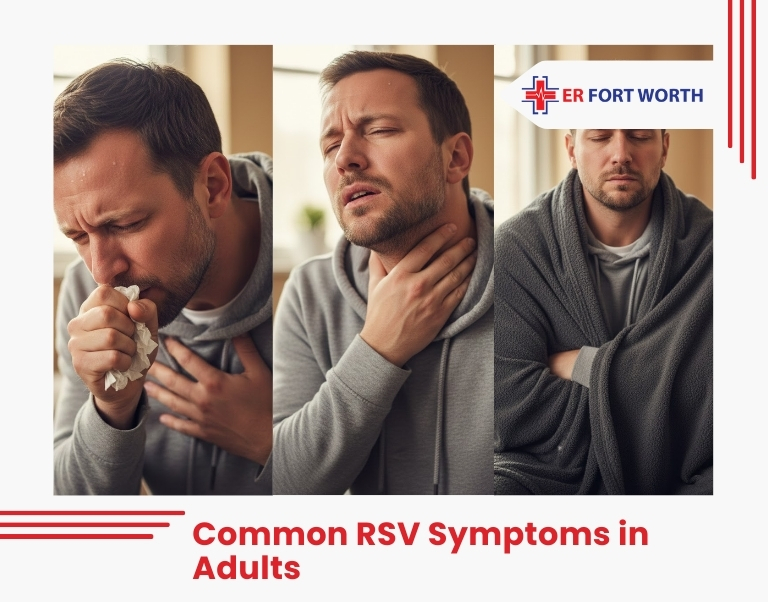
Respiratory Syncytial Virus (RSV) is often associated with children, but it can also affect adults—sometimes leading to serious respiratory illness. In the United States, RSV cases tend to rise during colder months, making awareness of early symptoms essential.
Understanding RSV Symptoms in Adults can help prevent complications, especially for older adults and individuals with weakened immune systems.
This guide explains early warning signs, risk factors, prevention, and when to seek medical care.
What is RSV? (AEO-Friendly Definition)
RSV (Respiratory Syncytial Virus) is a common respiratory virus that infects the lungs and breathing passages.
In adults, it often causes mild cold-like symptoms, but in high-risk individuals, it can lead to severe lung infections such as bronchitis or pneumonia.
Early RSV Symptoms in Adults
Recognizing RSV Symptoms in Adults early can help prevent complications.
Common early signs include:
- Runny nose
- Mild cough
- Sneezing
- Sore throat
- Low-grade fever
- Fatigue
At this stage, symptoms may look similar to a common cold.
Warning Signs of Severe RSV Infection
As the infection progresses, symptoms may worsen:
- Persistent cough
- Shortness of breath
- Wheezing
- Chest discomfort
- High fever
- Difficulty breathing
These are critical RSV Symptoms in Adults that require medical attention.
Why RSV is Dangerous for Adults in the United States
In the United States, RSV is more serious for:
- Adults over 65 years
- People with heart or lung disease
- Individuals with weak immune systems
For these groups, RSV can lead to:
- Pneumonia
- Bronchitis
- Hospitalization
How RSV Spreads
RSV spreads easily through:
- Coughing and sneezing droplets
- Direct contact with infected surfaces
- Close personal contact
It spreads faster in crowded indoor environments.
Risk Factors for Severe RSV Symptoms in Adults
Certain conditions increase risk:
- Chronic lung disease (COPD, asthma)
- Heart disease
- Diabetes
- Smoking history
- Weak immune system
Real-Life Example (Micro Story)
A 68-year-old man in the United States developed mild cold-like symptoms during winter. Initially, he ignored them. Within a few days, he experienced worsening RSV Symptoms in Adults, including shortness of breath and chest tightness. He was hospitalized and diagnosed with RSV-related pneumonia but recovered after oxygen therapy and medication.
When to See a Doctor
Seek medical care if you notice:
- Severe coughing
- Trouble breathing
- High fever
- Chest pain
- Blue lips or fingernails
Early treatment can prevent complications.
Treatment Options for RSV in Adults
There is no specific cure for RSV, but treatment helps manage symptoms:
Medical care:
- Oxygen therapy
- IV fluids (if needed)
- Fever reducers
- Bronchodilators for breathing
Home care:
- Rest
- Hydration
- Fever management
- Avoid smoking
Prevention Tips
- Wash hands frequently
- Avoid close contact with sick people
- Disinfect surfaces
- Wear masks during outbreaks
- Strengthen immunity with healthy diet
Conclusion
RSV Symptoms in Adults can range from mild cold-like signs to severe respiratory distress. In the United States, awareness is especially important for older adults and high-risk individuals.

 English
 Arabic
 French
 Spanish
 Portuguese
 Deutsch
 Dutch
Dutch
 Italiano
 Russian
 Romaian
 Portuguese (Brazil)
 Greek
Greek