

RSV Symptoms in Adults: How to Tell If It’s More Than a Cold
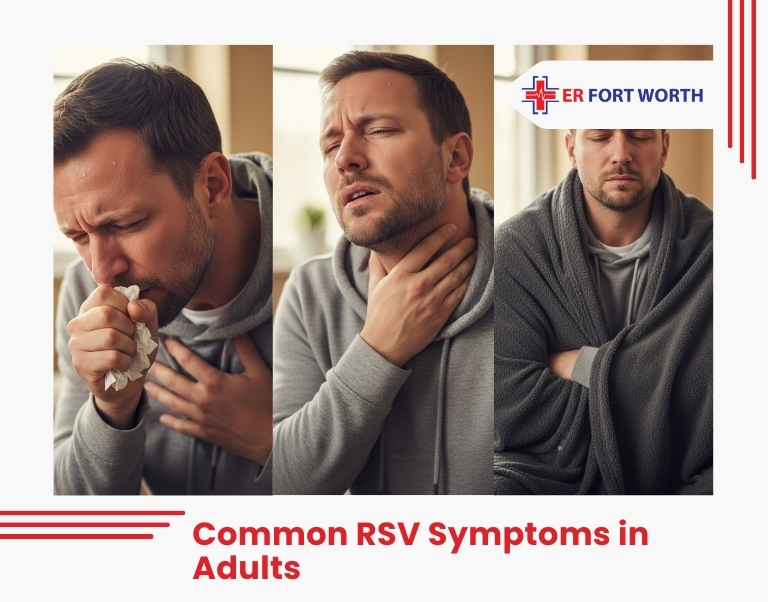
Respiratory Syncytial Virus (RSV) is often mistaken for a common cold, especially in the early stages. However, in some cases, it can develop into a much more serious respiratory illness.
In the United States, understanding the difference between a simple cold and Severe RSV Symptoms in Adults is critical for early treatment and prevention of complications.
This guide helps you identify warning signs, risk factors, and when RSV becomes more than just a mild infection.
What is RSV? (AEO Definition)
RSV is a contagious respiratory virus that infects the nose, throat, and lungs. It spreads easily through droplets from coughing or sneezing and can survive on surfaces for hours.
In healthy adults, RSV often looks like a mild cold. But in older adults or those with weak immunity, it can become severe.
RSV vs Common Cold: How to Tell the Difference
At first, RSV and the common cold look very similar.
Shared symptoms:
- Runny nose
- Sneezing
- Mild cough
- Sore throat
- Low-grade fever
However, RSV tends to worsen over time, while a cold usually improves within a few days.
Early RSV Symptoms in Adults
Early signs may seem harmless:
- Mild fatigue
- Dry cough
- Slight fever
- Nasal congestion
At this stage, many people assume it is just a cold.
Severe RSV Symptoms in Adults (Key Warning Signs)
When RSV becomes serious, it affects breathing and lung function.
Warning signs include:
- Severe shortness of breath
- Persistent high fever
- Chest tightness or pain
- Wheezing
- Rapid breathing
- Extreme fatigue
- Bluish lips or fingernails
These are clear signs of Severe RSV Symptoms in Adults and require immediate medical attention.
How to Know It’s More Than a Cold
You may be dealing with RSV instead of a cold if:
- Symptoms worsen after 3–5 days
- Breathing becomes difficult
- Fever increases instead of improving
- Chest discomfort appears
- Fatigue becomes severe
A simple cold usually improves, but RSV often escalates.
Who is at Risk in the United States?
In the United States, RSV is more dangerous for:
- Adults over 65 years
- People with asthma or COPD
- Individuals with heart disease
- Smokers
- Immunocompromised patients
For these groups, even mild RSV can turn severe quickly.
Why Severe RSV Symptoms Should Not Be Ignored
Ignoring Severe RSV Symptoms in Adults can lead to:
- Pneumonia
- Bronchitis
- Hospitalization
- Respiratory failure
Early treatment reduces risk significantly.
Real-Life Example (Micro Story)
A 62-year-old man in the United States thought he had a normal cold. After a few days, his condition worsened with high fever, chest pain, and breathing difficulty. He was diagnosed with severe RSV infection and required oxygen support in the hospital.
This case shows how quickly RSV can progress from mild symptoms to a serious condition.
When to Seek Medical Help
Seek urgent care if you experience:
- Severe breathing difficulty
- Persistent high fever
- Chest pain or pressure
- Confusion or dizziness
- Bluish skin or lips
These are emergency signs of severe infection.
Treatment Options for RSV in Adults
There is no specific antiviral cure for most RSV cases, but treatment focuses on relief:
Medical care:
- Oxygen therapy
- IV fluids
- Fever management
- Bronchodilators
Home care:
- Rest
- Hydration
- Avoid smoking
- Monitor symptoms closely
Prevention Tips
- Wash hands frequently
- Avoid close contact with sick individuals
- Disinfect surfaces
- Wear masks in crowded places
- Strengthen immunity with proper diet
Conclusion
RSV often starts like a cold, but it can become dangerous quickly. Recognizing Severe RSV Symptoms in Adults is essential, especially in high-risk groups in the United States.
Early detection and medical care can prevent serious complications and ensure faster recovery.

 English
 Arabic
 French
 Spanish
 Portuguese
 Turkish
 Dutch
Dutch
 Italiano
 Russian
 Romaian
 Portuguese (Brazil)
 Greek
Greek