

Freight Market Size, Revenue, Trends, and Growth Strategies to 2033
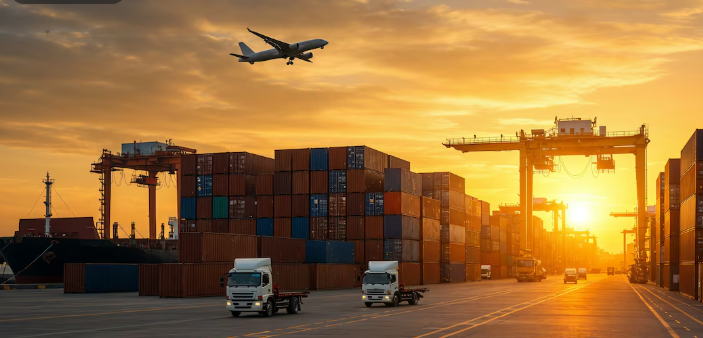
Freight Market Size, Revenue, Trends, and Growth Strategies to 2033
The freight market is undergoing significant transformation driven by evolving global trade dynamics and advancements in logistics technology. This industry size is expanding rapidly, propelled by increasing demand for efficient transportation solutions and the integration of digital platforms optimizing supply chain operations. Recent market developments underscore the critical importance of adapting to changing market dynamics and addressing supply chain disruptions.
Market Size and Overview
The Global Freight Market is estimated to be valued at USD 234.51 Bn in 2026 and is expected to reach USD 336.64 Bn by 2033, exhibiting a compound annual growth rate (CAGR) of 5.3% from 2026 to 2033.
This robust Freight Market Forecast reflects growing industrial activity, globalization of supply chains, and rising e-commerce penetration influencing market trends. Market insights indicate substantial market opportunities in cross-border trade and last-mile delivery services, which remain pivotal for sustained market growth. The freight market report highlights diversified market segments including road, air, sea, and rail freight transportation contributing to overall market revenue.
Current Event & Its Impact on Market
I. Major events impacting freight market dynamics:
A. Shift towards Green Logistics – Potential impact on market
- Increasing regulatory focus on carbon emissions in Europe has catalyzed adoption of eco-friendly freight solutions. Companies like A.P. Moller-Maersk have committed to net-zero carbon emissions by 2040, driving demand for sustainable freight services. This technological pivot significantly influences market growth strategies and imposes new market restraints related to infrastructure and investment costs.
B. Surge in E-commerce Logistics – Potential impact on market
- The rapid expansion of e-commerce in APAC, especially China and India, is exerting pressure on freight market companies to optimize last-mile delivery. This has heightened demand for faster shipping and integrated logistics, thereby escalating market share competition among key players specializing in parcel and express freight segments.
A. Port Congestion in North America – Potential impact on market
- The ongoing congestion at major U.S. ports, such as Los Angeles and Long Beach, continues to disrupt freight operations, affecting industry size and market revenue globally by delaying shipments and increasing costs.
B. Digital Freight Platforms Expansion – Potential impact on market
- The rise of digital freight marketplaces in Europe and North America enhances freight capacity matching and route optimization, influencing market trends and offering new market opportunities for smaller freight players.
A. Geopolitical Trade Tensions – Potential impact on market
- Trade restrictions between the U.S. and China impact freight volumes and routes, necessitating regional supply chain restructuring and heightened market challenges for companies reliant on Asia-Pacific and North American corridors.
Impact of Geopolitical Situation on Supply Chain
The 2024 Russia-Ukraine conflict exemplifies significant geopolitical disruption influencing the freight market supply chain. The conflict led to rerouting of freight corridors in Europe, notably through alternative Baltic and Southern routes to avoid conflict zones. This geopolitical tension caused increased freight costs by up to 15% due to longer transit times and heightened security risks, impacting market revenue and market growth for freight players focused on Eastern European and Eurasian trade lanes. Additionally, supply chain unpredictability triggered investments in digital supply chain tracking and risk mitigation strategies, which have become critical market drivers in 2024 and 2025.
SWOT Analysis
Strengths:
- Strong global network among market players such as Mediterranean Shipping Company and DHL Supply Chain facilitates extensive market share and wider market scope.
- Increasing adoption of digital freight technologies for route optimization and automated cargo handling enhances business growth and efficiency.
- Diversified service offerings covering air, sea, rail, and road freight segments reduce dependencies on any single transport mode, supporting market revenues.
Weaknesses:
- High dependence on fossil fuels increases vulnerability to price fluctuations and environmental regulations, imposing market restraints.
- Infrastructural bottlenecks and port congestions, particularly in North America, restrict maximum operational efficiency and negatively affect market growth strategies.
Opportunities:
- Expansion of green logistics technologies and alternative fuels such as LNG and electric vehicles opens significant market opportunities.
- Growth in emerging economies, especially in Southeast Asia, promotes new freight market segments and revenue streams.
- Adoption of AI and blockchain in freight tracking improves transparency and reliability, enhancing market insights and competitive advantage.
Threats:
- Geopolitical tensions and trade barriers continue to hamper cargo flows and create market challenges.
- Cybersecurity threats exploiting the increasing digitalization of freight systems can disrupt operations, impacting market share and customer trust.
- Fluctuating fuel prices and inflationary pressures may restrain market growth and operational margins.
Key Players
Key market companies leading the freight industry include A.P. Moller-Maersk, Mediterranean Shipping Company, CMA CGM, Hapag-Lloyd, Kuehne + Nagel, DHL Supply Chain & Global Forwarding, DSV, DB Schenker, UPS, FedEx, Sinotrans, Nippon Express, CEVA Logistics, Geodis, and XPO Logistics.
- In 2025, CMA CGM’s investment in digitized container tracking enhanced its operational efficiency by 12%, contributing to improved market revenue.
- DHL expanded its green freight solutions with electric vehicle fleets across European routes in 2024, achieving sustainability targets and opening new market opportunities.
- UPS forged technology partnerships to integrate AI-based predictive analytics in logistics planning, improving delivery accuracy and strengthening business growth in the parcel freight segment.
Frequently Asked Questions (FAQs)
1. Who are the dominant players in the freight market?
Key market players include A.P. Moller-Maersk, Mediterranean Shipping Company, CMA CGM, Hapag-Lloyd, Kuehne + Nagel, DHL Supply Chain & Global Forwarding, DSV, DB Schenker, UPS, and FedEx, among others. These companies hold extensive global networks and are driving innovation in freight services.
2. What will be the size of the freight market in the coming years?
The freight market size is projected to grow from USD 234.51 billion in 2026 to USD 336.64 billion by 2033, reflecting a CAGR of 5.0%, driven by increased globalization and evolving supply chain requirements.
3. Which end-users industry has the largest growth opportunity?
E-commerce is the primary end-user sector presenting the largest growth potential due to rising consumer demand for quick delivery solutions worldwide, especially in Asia-Pacific and North America markets.
4. How will freight market development trends evolve over the next five years?
Market trends will focus on sustainability, digital transformation with AI and blockchain technologies, and resilience-building against geopolitical and supply chain disruptions, steering progressive market growth strategies.
5. What is the nature of the competitive landscape and challenges in the freight market?
The competitive landscape is marked by high fragmentation with dominance by a few global market players. Challenges include regulatory compliance, fuel price volatility, infrastructure constraints, and supply chain disruptions.
6. What go-to-market strategies are commonly adopted in the freight market?
Market players prioritize technology integration, strategic partnerships for service expansion, investments in green logistics, and diversification of freight transport modes to enhance market share and revenue growth.
➣ Get more insights on: Freight Market Size
➣ Get this Report in Japanese Language: 貨物市場
➣ Get this Report in Korean Language: 화물시장
➣ Read More Related Articles: Sustainability & Environmental Impact: Hydrogen Vehicles Driving Cleaner Transportation
About Author:
Money Singh is a seasoned content writer with over four years of experience in the market research sector. Her expertise spans various industries, including food and beverages, biotechnology, chemical and materials, defense and aerospace, consumer goods, etc.

 Arabic
 French
 Spanish
 Portuguese
 Deutsch
 Turkish
 Dutch
Dutch
 Italiano
 Russian
 Romaian
 Portuguese (Brazil)
 Greek
Greek