

Areca Nut Market 2026 | Trends, Growth & Regional Insights
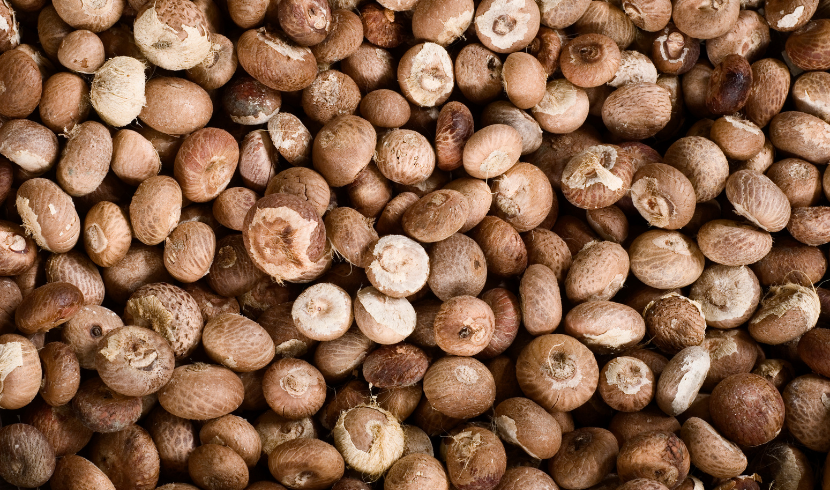
The global areca nut market is witnessing steady expansion due to rising demand in traditional consumption, the food industry, and emerging applications in pharmaceuticals and personal care. Valued at USD 1.22 billion in 2025, the market is projected to reach USD 2.36 billion by 2035, growing at a CAGR of 6.8%. Areca nut, often referred to as betel nut, is a natural product derived from the Areca catechu palm and holds cultural, commercial, and industrial significance in several regions.
Areca nut consumption has historically been rooted in cultural practices across Asia, particularly in India, Indonesia, and Southeast Asia, where it is used in chewing mixtures or traditional medicine. However, modern markets are also recognizing its applications in processed food products, natural dye, and nutraceutical formulations, expanding the potential for industrial and commercial growth.
Understanding the Areca Nut Market and Its Importance
The areca nut market encompasses the cultivation, processing, and commercial distribution of areca nuts in raw and processed forms.
It matters because areca nut is a versatile commodity with applications ranging from traditional chewing products to modern health and cosmetic industries. The nut’s natural properties, including its stimulant effects and tannin content, make it valuable in both cultural and industrial contexts. Moreover, as global demand for natural and plant-based products rises, areca nut’s market significance continues to grow, offering economic opportunities for producers in Asia-Pacific and beyond.
The market also supports millions of farmers and laborers in regions where areca palms are cultivated, making it socially and economically vital beyond pure trade metrics.
Varieties of Areca Nut and Their Uses
Areca nuts are broadly classified into red and white varieties, each with distinct characteristics and uses.
Red areca nuts are often preferred in traditional and ceremonial contexts due to their higher color retention and cultural significance. They are commonly used in chewing products, ceremonial offerings, and natural dye preparations. White areca nuts, in contrast, are valued for their milder taste and larger size, making them ideal for processed snacks, medicinal preparations, and export markets.
The differentiation between red and white areca nuts also influences pricing, regional demand, and market strategies. Producers focusing on red areca nuts tend to cater to local and cultural consumption, while white areca nuts often target international trade and industrial applications.
Industrial and Consumer Applications
Areca nut has applications in traditional, food, pharmaceutical, and cosmetic sectors.
In traditional applications, areca nut is primarily consumed as a chewing ingredient, often combined with betel leaf, lime, and flavoring agents. This consumption is deeply embedded in cultural practices in South and Southeast Asia. Food industry applications include incorporation into confectionery, flavoring agents, and dietary supplements. In pharmaceutical and nutraceutical sectors, the nut’s alkaloids and bioactive compounds are explored for digestive benefits, antimicrobial properties, and energy-boosting effects.
Emerging applications in cosmetics and personal care include natural dyes and formulations leveraging areca nut extracts. By diversifying its use across industries, the areca nut market continues to expand beyond traditional consumer bases, increasing resilience against regulatory and cultural fluctuations.
Regional Dynamics and Market Drivers
Asia-Pacific dominates the areca nut market due to widespread cultivation and cultural consumption, with India, Indonesia, and Thailand serving as key hubs.
North America and Europe have niche markets primarily driven by specialty food products and natural health applications. The Middle East and Africa show moderate growth, driven by both immigrant consumption patterns and the rising popularity of traditional herbal products. Latin America remains an emerging market, largely due to limited local cultivation but potential for import-based demand.
Regional growth is influenced by production capacity, cultural preferences, and regulatory policies. For instance, Indian policies promoting export-oriented production and sustainable farming practices have strengthened Asia-Pacific’s dominance while encouraging international trade.
Leading Players and Competitive Landscape
The market includes both large-scale international traders and local cooperative producers.
Companies like PT Ruby Privatindo, PT Swastika International, and The CAMPCO Ltd. have significant market presence, leveraging established supply chains and processing capabilities. Smaller local producers contribute to regional consumption and supply niche markets, often supplying red or specialty areca nuts. Competitive strategies revolve around product quality, consistent supply, export certification, and compliance with safety and hygiene standards for international markets.
Innovation in packaging, processing, and derivative products also helps players capture value-added market segments, particularly in health and cosmetic applications.
Emerging Trends Shaping the Market
The areca nut market is driven by a combination of cultural continuity, rising international demand, and expanding industrial applications.
Trends include processed and ready-to-use areca nut products, increased demand for natural health supplements, and growth in specialty exports targeting Europe and North America. Rising awareness of traditional and plant-based remedies globally has also fueled interest in areca nut-derived nutraceuticals and dietary products.
Sustainability and organic farming are increasingly important trends, with consumers and international buyers demanding traceable and eco-friendly supply chains. These developments are shaping both production and marketing strategies, allowing companies to differentiate their offerings and tap into premium segments.
Challenges and Market Constraints
Despite growth, the areca nut market faces regulatory, health, and environmental challenges.
Health concerns related to prolonged chewing of areca nut products, including links to oral diseases, have led to stricter regulations in several countries. Exporters must comply with international food safety standards, which can increase operational costs. Additionally, environmental challenges, such as deforestation, climate variability, and water scarcity in cultivation areas, pose risks to production stability.
Addressing these challenges requires investment in sustainable farming practices, diversification of product offerings beyond traditional consumption, and compliance with global quality and safety standards to ensure long-term market growth.
Outlook and Future Prospects
The global areca nut market is poised for steady growth, reaching an estimated USD 2.36 billion by 2035 at a CAGR of 6.8%. Expansion will be driven by continued cultural consumption in Asia-Pacific, rising international demand for processed and nutraceutical products, and diversification into cosmetic and health applications.
Sustainable farming, product innovation, and adherence to regulatory standards will be critical for maintaining market momentum. Companies that strategically position themselves across both traditional and emerging applications are likely to capture the greatest value, ensuring that the areca nut remains both culturally significant and commercially viable.
Browse More Reports
Healthcare Cloud Computing Market
Assisted Reproductive Technology Market
About Us:
Expert Market Research is a leading market research firm delivering data-driven insights to the pharmaceutical, biotechnology, and medical device industries. Our comprehensive research solutions include market research reports, providing in-depth analysis of industry trends and competitive landscapes; drug pipeline reports, tracking drug development progress, clinical trials, and regulatory approvals; epidemiology reports, offering detailed disease prevalence and patient population studies; and patent reports, assessing intellectual property landscapes and innovation trends, among others.
Leveraging proprietary data, advanced analytics, and expert methodologies, we help businesses navigate complex markets, optimize strategies, and drive innovation. We empower clients with actionable intelligence, enabling them to make informed decisions and stay ahead in the rapidly evolving healthcare sector.
Media Contact:
Company Name: Claight Corporation
Contact Person: Roshan Kumar, Digital Marketing
Email: sales@expertmarketresearch.com
Toll-Free Number: US +1-415-325-5166 | UK +44-702-402-5790
Address: 30 North Gould Street, Sheridan, WY 82801, USA
Website: www.expertmarketresearch.com

 English
 Arabic
 French
 Spanish
 Portuguese
 Deutsch
 Turkish
 Italiano
 Russian
 Romaian
 Portuguese (Brazil)
 Greek
Greek