

Mountain Cedar Pollen: What Is Cedar Fever? Early Signs and How to Manage It
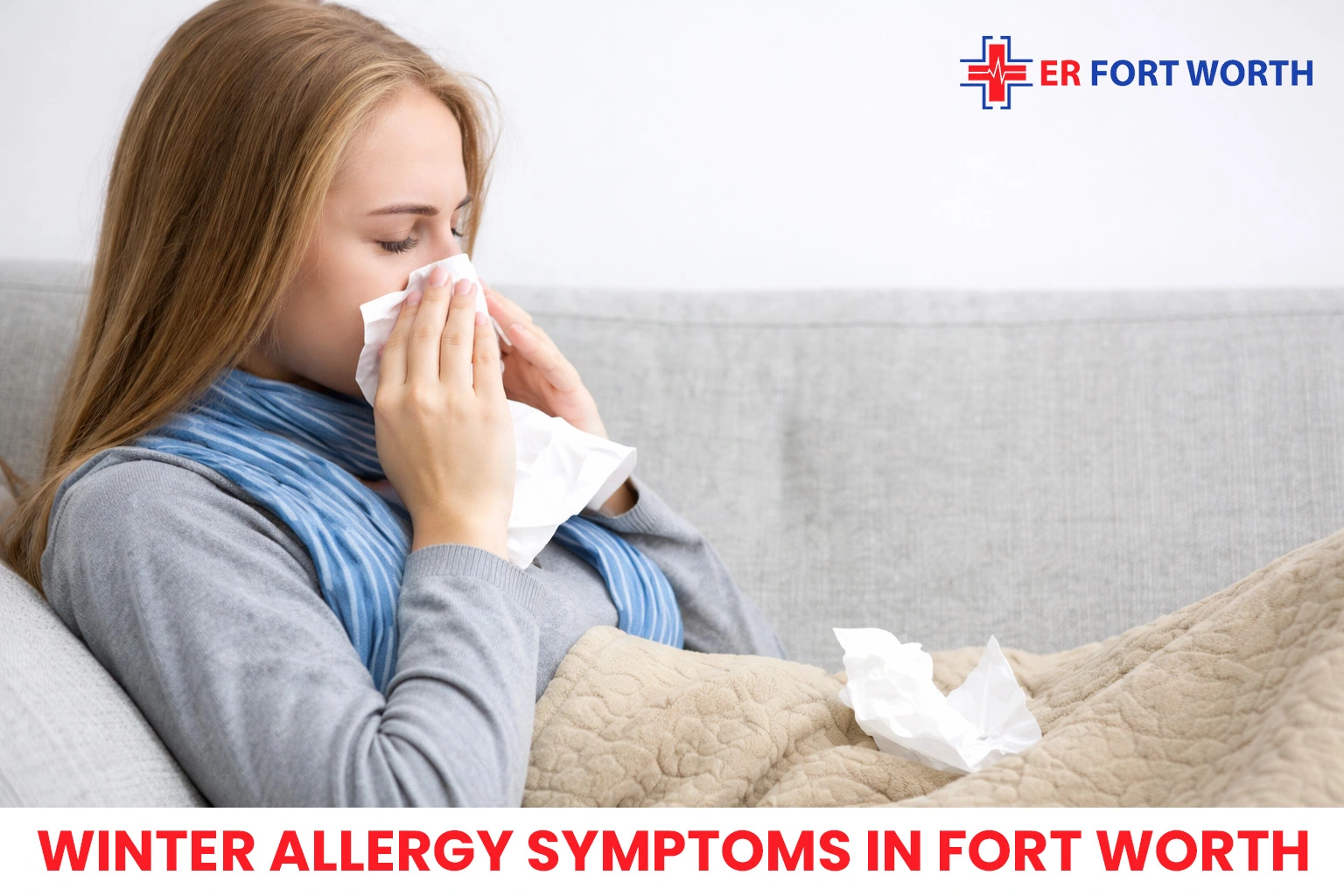
Seasonal allergies can become especially intense during certain times of the year in parts of the United States. One major trigger is mountain cedar pollen, which is strongly linked to a condition commonly known as Cedar Fever.
Despite its name, Cedar Fever is not a viral infection. It is an allergic reaction that can feel similar to a cold or flu, making it confusing for many people.
What Is Cedar Fever?
Cedar Fever is an allergic response caused by exposure to mountain cedar pollen, especially from Ashe juniper trees.
When the immune system reacts to this pollen, it releases chemicals like histamine, leading to allergy symptoms.
It is not contagious and does not spread from person to person.
What Is Mountain Cedar Pollen?
Mountain cedar pollen comes from juniper trees that release large amounts of pollen during winter months.
Key facts:
- Most common in winter and early spring
- Travels easily through wind
- Can spread over long distances
- Triggers strong allergic reactions in sensitive individuals
This pollen is one of the main causes of Cedar Fever symptoms.
Early Signs of Cedar Fever
Early symptoms often appear similar to a common cold.
Common early signs include:
- Sneezing
- Runny or stuffy nose
- Itchy or watery eyes
- Scratchy throat
- Mild fatigue
- Head pressure or sinus discomfort
These symptoms usually start soon after exposure to mountain cedar pollen.
Severe Symptoms to Watch For
In more sensitive individuals, symptoms may become stronger:
- Persistent sinus congestion
- Severe headaches
- Constant sneezing
- Sleep disruption
- Wheezing (in asthma patients)
- Extreme fatigue
These symptoms can interfere with daily activities.
Causes of Cedar Fever
The main cause is exposure to mountain cedar pollen, but several factors increase severity:
- High pollen concentration in the air
- Windy weather spreading pollen
- Outdoor exposure during peak season
- Existing allergies or asthma
- Weak immune response
How to Manage Cedar Fever
Managing symptoms early can reduce discomfort.
1. Limit Exposure to Pollen
Stay indoors when pollen levels are high.
2. Use Air Purifiers
HEPA filters help reduce indoor pollen.
3. Shower After Going Outside
Removes pollen from skin and hair.
4. Nasal Irrigation
Saline rinses help clear nasal passages.
5. Antihistamines
Over-the-counter allergy medications can reduce symptoms.
Home Care Tips
Simple lifestyle changes can help:
- Keep windows closed during pollen season
- Wear sunglasses outdoors
- Use masks in high-pollen areas
- Wash clothes frequently
- Stay hydrated
Cedar Fever vs Cold or Flu
Many people confuse Cedar Fever with infections.
| Feature | Cedar Fever | Cold/Flu |
|---|---|---|
| Cause | Mountain cedar pollen | Virus |
| Contagious | No | Yes |
| Fever | Rare | Common |
| Body aches | Rare | Common |
| Duration | Weeks (seasonal) | 7–14 days |
Who Is Most Affected?
People more sensitive to mountain cedar pollen include:
- Allergy sufferers
- Asthma patients
- Children
- Older adults
- People living in high-pollen regions
Real-Life Example
A person living in Texas experienced repeated sneezing, watery eyes, and sinus pressure every winter. They first thought it was flu, but doctors identified the cause as exposure to mountain cedar pollen, confirming Cedar Fever.
When to See a Doctor
Seek medical help if:
- Symptoms last for weeks without relief
- Breathing becomes difficult
- Asthma symptoms worsen
- Over-the-counter medicines stop working
- Severe sinus pain develops
Prevention Tips
Reduce your risk by:
- Monitoring daily pollen forecasts
- Staying indoors during peak pollen release
- Using air filters at home
- Wearing protective masks outdoors
- Keeping windows closed during high pollen days
Conclusion
Mountain cedar pollen is the main trigger behind Cedar Fever, a seasonal allergy that can feel like a respiratory infection. While not dangerous for most people, it can be highly uncomfortable.
Early recognition and proper management can help reduce symptoms and improve quality of life during allergy season in the United States.

 Arabic
 French
 Spanish
 Portuguese
 Deutsch
 Turkish
 Dutch
Dutch
 Italiano
 Russian
 Romaian
 Portuguese (Brazil)
 Greek
Greek