

RSV Symptoms in Adults: Early Warning Signs You Should Watch For
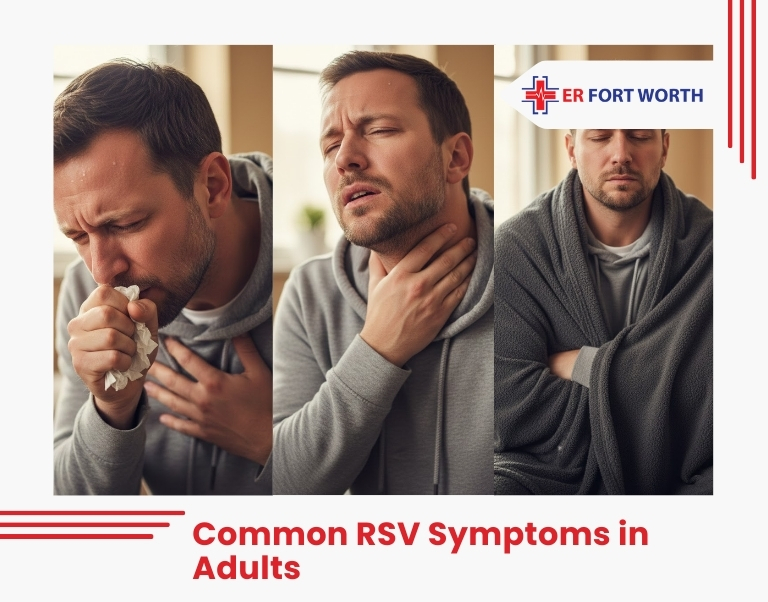
Respiratory infections affect millions of adults every year across the United States. One infection that is often overlooked is Respiratory syncytial virus infection, commonly known as RSV.
While RSV is often associated with children, RSV Symptoms in Adults can also become serious, especially in older adults and people with underlying health conditions. Recognizing the early warning signs can help prevent complications.
What Is RSV?
Respiratory syncytial virus infection is a contagious respiratory virus that affects the lungs and breathing passages.
It spreads through:
- Coughing or sneezing
- Close contact with infected individuals
- Touching contaminated surfaces
- Crowded indoor environments
Most infections start with mild symptoms but can become severe in high-risk adults.
Early RSV Symptoms in Adults
The RSV Symptoms in Adults often begin like a common cold.
Common early signs include:
- Runny or stuffy nose
- Dry cough
- Sore throat
- Mild fever
- Fatigue
- Headache
- Sneezing
- Body aches
Many adults initially mistake RSV for seasonal allergies or a cold.
Warning Signs That RSV May Be Getting Worse
Some RSV Symptoms in Adults may indicate a more serious infection.
Watch for:
- Difficulty breathing
- Wheezing
- Persistent cough
- Chest tightness
- High fever
- Severe fatigue
- Shortness of breath
These symptoms may require medical attention.
Who Is Most at Risk?
Higher-risk groups in the United States include:
- Adults over age 65
- People with asthma
- People with heart disease
- Individuals with weakened immune systems
- Adults with chronic lung conditions
These individuals may develop more severe RSV symptoms.
Possible Complications
If untreated, Respiratory syncytial virus infection may lead to:
- Pneumonia
- Bronchitis
- Worsening asthma symptoms
- Low oxygen levels
- Hospitalization
Early care can reduce these risks.
When to Seek Medical Help
See a healthcare professional if you experience:
- Trouble breathing
- Persistent chest discomfort
- Fever lasting several days
- Symptoms worsening quickly
- Severe weakness
- Bluish lips or fingertips
These may signal serious complications.
Treatment and Recovery Tips
1. Get Plenty of Rest
Rest supports immune recovery.
2. Stay Hydrated
Drink water, soup, or electrolyte fluids.
3. Monitor Breathing
Watch for changes in breathing patterns.
4. Avoid Smoke Exposure
Smoking can worsen symptoms.
5. Seek Medical Advice When Needed
Especially for high-risk adults.
Real-Life Example
An adult in the United States thought their symptoms were caused by a seasonal cold. After developing persistent cough, wheezing, and shortness of breath, testing confirmed Respiratory syncytial virus infection. Early treatment helped prevent hospitalization.
This highlights why recognizing RSV Symptoms in Adults is important.
Prevention Tips
Reduce your risk by:
- Washing hands frequently
- Avoiding close contact with sick individuals
- Cleaning shared surfaces
- Supporting immune health
- Staying home when sick
Conclusion
Understanding RSV Symptoms in Adults can help identify infection early and reduce the risk of serious complications. Cough, wheezing, fatigue, and breathing difficulty should never be ignored.
Early medical attention can lead to safer recovery.

 English
 Arabic
 French
 Spanish
 Portuguese
 Deutsch
 Turkish
 Dutch
Dutch
 Russian
 Romaian
 Portuguese (Brazil)
 Greek
Greek