

Rosemary Oil vs Minoxidil for Hair Growth: Which One Really Works?
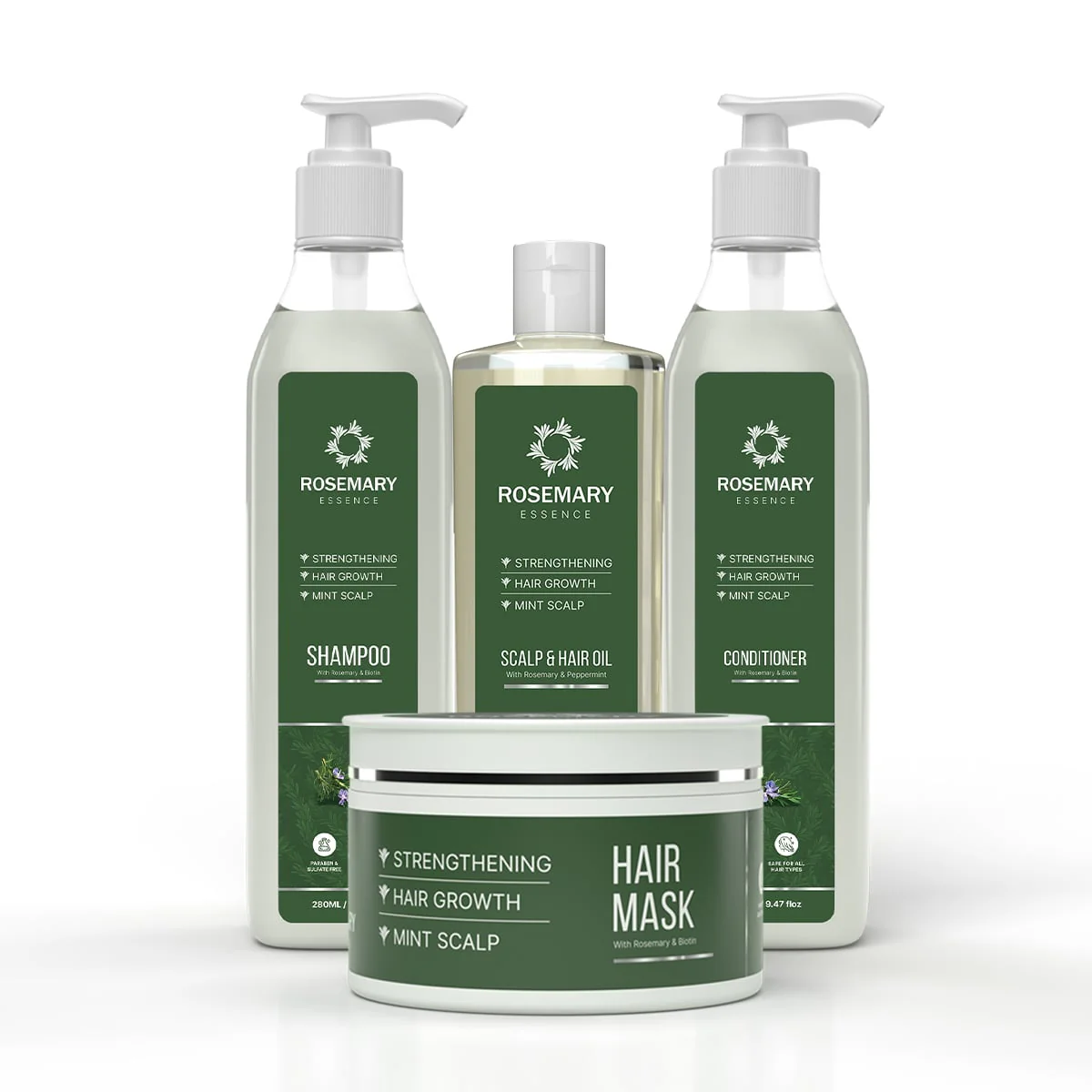
Hair loss affects millions of people worldwide, and the search for effective solutions has never been bigger. In recent years, rosemary oil has exploded in popularity across social media, with many users calling it “nature’s minoxidil.” At the same time, minoxidil remains one of the most widely recommended treatments by dermatologists for hair regrowth.
But which one actually works better?
The answer depends on your hair loss type, rosemary oil price in pakistan scalp condition, lifestyle, and expectations. Both rosemary oil and minoxidil can support hair growth, but they work differently and offer different advantages.
This article explores the science, benefits, side effects, and real-world effectiveness of rosemary oil vs minoxidil for hair growth.
Understanding Hair Loss Before Treatment
Before comparing the two, it’s important to understand why hair loss happens in the first place.
Common causes include:
- Genetics and androgenetic alopecia
- Hormonal changes
- Stress and anxiety
- Nutritional deficiencies
- Poor scalp health
- Excessive heat or chemical damage
- Medical conditions
Hair growth treatments work best when they target the root cause. That’s why choosing the right option matters.
What Is Rosemary Oil?
Rosemary oil is an essential oil extracted from the rosemary herb. It has been used for centuries in natural medicine for improving circulation and scalp health.
Today, rosemary oil is commonly used for:
- Hair growth support
- Reducing dandruff
- Strengthening weak hair
- Improving scalp circulation
- Lowering scalp inflammation
The popularity of rosemary oil increased dramatically after a study suggested it performed similarly to 2% minoxidil for certain types of hair loss.
What Is Minoxidil?
Minoxidil is an FDA-approved hair growth treatment originally developed for blood pressure control. Researchers discovered that it stimulated hair growth as a side effect.
It is now widely available in:
- 2% topical solutions
- 5% topical foam or liquid
- Oral prescription versions
Minoxidil is mainly used to treat androgenetic alopecia, also known as male or female pattern baldness.
Unlike rosemary oil, minoxidil has decades of clinical research behind it and is considered a medically proven treatment.
How Rosemary Oil Works for Hair Growth
Rosemary oil may help hair growth through several mechanisms:
1. Improves Blood Circulation
Better circulation means hair follicles receive more oxygen and nutrients.
2. Reduces Scalp Inflammation
Inflammation can weaken follicles and contribute to hair thinning.
3. May Block DHT
Some research suggests rosemary oil may mildly reduce the effects of DHT, the hormone linked to pattern baldness.
4. Supports a Healthy Scalp
Its antimicrobial and antioxidant properties may help reduce dandruff and irritation.
These combined effects may create a healthier environment for hair growth.
How Minoxidil Works
Minoxidil works differently from rosemary oil.
It helps by:
- Increasing blood flow around hair follicles
- Extending the hair growth phase
- Reactivating dormant follicles
- Increasing hair shaft thickness
Minoxidil directly stimulates the hair cycle, which is why many dermatologists consider it stronger and faster than natural oils.
The Famous Rosemary Oil vs Minoxidil Study
The discussion around rosemary oil became huge after a 2015 clinical trial compared rosemary oil with 2% minoxidil in people with androgenetic alopecia.
The study found:
- Both groups showed increased hair count after 6 months
- Rosemary oil users experienced less scalp itching
- Results were statistically similar between the two groups
However, experts point out important limitations:
- The sample size was small
- Only 2% minoxidil was tested
- The study duration was limited
- There were no comparisons with 5% minoxidil
Because of these limitations, many experts still consider minoxidil more reliable overall.
Which One Works Faster?
Minoxidil
Minoxidil generally works faster.
Many users notice:
- Reduced shedding within 2–3 months
- Visible regrowth in 4–6 months
Rosemary Oil
Rosemary oil usually takes longer:
- Results often appear after 6 months
- Consistency is extremely important
If you want faster and clinically proven results, minoxidil usually has the advantage.
Side Effects Comparison
Rosemary Oil Side Effects
Rosemary oil is usually gentle when diluted properly, but it can still cause:
- Scalp irritation
- Allergic reactions
- Dryness
- Burning sensation if overused
It should never be applied directly without a carrier oil.
Minoxidil Side Effects
Minoxidil side effects may include:
- Scalp itching
- Dryness and flaking
- Temporary shedding
- Unwanted facial hair
- Rare dizziness or heart palpitations
Some users stop using minoxidil because of irritation or the commitment required for long-term use.
Which Is Better for Different Hair Loss Types?
| Hair Loss Type | Better Option |
|---|---|
| Early thinning | Rosemary oil |
| Pattern baldness | Minoxidil |
| Sensitive scalp | Rosemary oil |
| Severe hair loss | Minoxidil |
| Natural hair care preference | Rosemary oil |
| Fast regrowth goals | Minoxidil |
| Scalp inflammation or dandruff | Rosemary oil |
Can You Use Rosemary Oil and Minoxidil Together?
Yes, many people combine them.
Some dermatologists believe the combination may help by:
- Stimulating follicles with minoxidil
- Supporting scalp health with rosemary oil
- Reducing dryness caused by minoxidil
However, combining treatments can also increase irritation if overused.
A simple approach may look like:
- Minoxidil once or twice daily
- Rosemary oil massage 1–2 times weekly
Always patch-test new products first.
What Real Users Say
Online discussions reveal mixed experiences.
Some users claim rosemary oil improved scalp health and reduced shedding. Others say they saw little regrowth compared to minoxidil.
Meanwhile, many minoxidil users report visible regrowth but complain about dryness, flaking, or needing lifelong use.
The truth is that hair loss treatments work differently for different people.
Is Rosemary Oil a Complete Replacement for Minoxidil?
Not necessarily.
Rosemary oil appears promising, especially for mild hair thinning and scalp support. But current evidence is still limited compared to minoxidil.
Minoxidil remains:
- FDA-approved
- Clinically studied for decades
- More predictable for pattern hair loss
Rosemary oil may work best as:
- A natural supportive treatment
- An option for sensitive scalps
- A complementary addition to medical therapy
Experts generally agree that rosemary oil should not completely replace proven treatments in cases of advanced hair loss.
Tips for Using Rosemary Oil Correctly
If you choose rosemary oil, follow these steps:
- Mix 3–5 drops with a carrier oil
- Massage gently into the scalp
- Leave for 30–60 minutes
- Wash with mild shampoo
- Use consistently 2–3 times weekly
Patience is important because natural treatments often work slowly.
Tips for Using Minoxidil Safely
For best results:
- Apply consistently every day
- Avoid overusing the product
- Let it dry before sleeping
- Continue treatment long term
- Be patient during the initial shedding phase
Stopping minoxidil usually causes regrown hair to fall out over time.
Final Verdict: Rosemary Oil vs Minoxidil
Both rosemary oil and minoxidil can support hair growth, but they serve different needs.
Choose rosemary oil if you:
- Prefer natural remedies
- Have mild thinning
- Want better scalp health
- Have sensitivity to harsh chemicals
Choose minoxidil if you:
- Have pattern baldness
- Need stronger clinical evidence
- Want faster results
- Are comfortable with long-term treatment
For many people, the best strategy may actually be combining healthy scalp care with proven medical treatments.

 English
 Arabic
 French
 Spanish
 Portuguese
 Deutsch
 Turkish
 Italiano
 Russian
 Romaian
 Portuguese (Brazil)
 Greek
Greek