

Jingriyarn Metallic Yarn for Weaving What Conditions Impact Performance in Factory Use
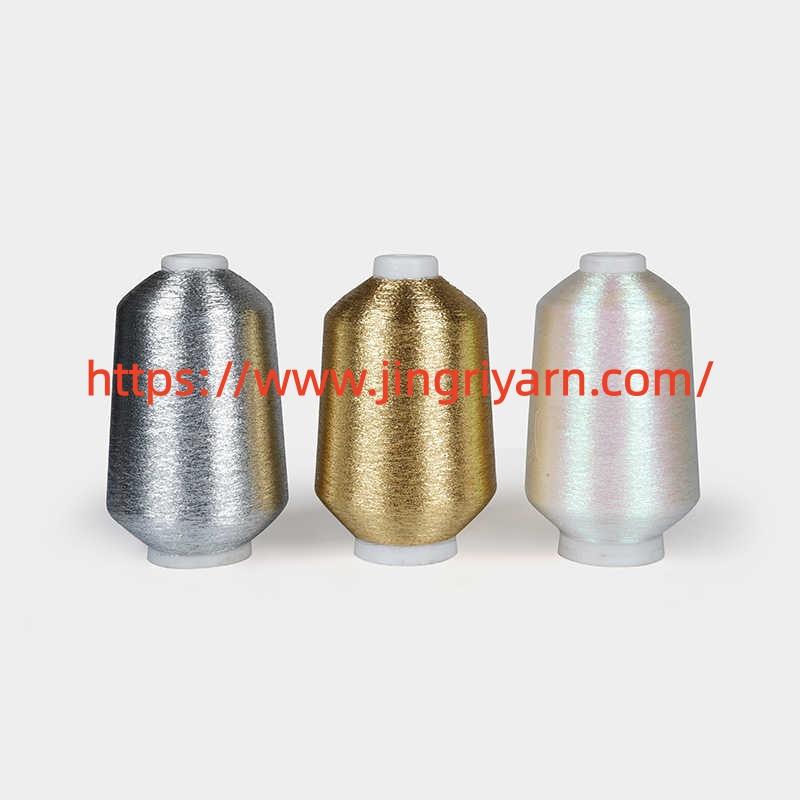
Metallic Yarn for Weaving is widely used in industrial textile production where consistency, visual quality, and processing stability all need to work together. In manufacturing environments, performance is shaped by a combination of machine behavior, material handling, and environmental conditions. Each factor interacts with others, creating a system where small changes can influence final fabric outcomes.
One of the main influences in production is machine setup. Equipment speed, tension control, and alignment must be carefully adjusted to match different fabric structures. When these settings are not balanced, the material may behave differently during continuous processing, which can affect surface uniformity and structural stability in finished textiles.
Raw material preparation also plays an important role. Variations in base fiber quality or coating distribution can lead to differences in flexibility and response during production. Proper storage before manufacturing helps reduce unwanted changes caused by exposure to humidity or temperature fluctuations. These small details contribute to more predictable manufacturing results.
Environmental conditions inside the production facility are another key factor. Temperature and humidity levels can influence how fibers interact with machinery and surrounding materials. In some cases, higher moisture levels may increase friction, while dry environments may reduce cohesion. Maintaining stable conditions helps support smoother production flow across different batches.
Operator control and experience also affect outcomes. Skilled technicians are often able to identify minor irregularities early in the process and make adjustments before they impact overall production. Their ability to manage equipment behavior contributes to more consistent fabric results over time.
Production speed and workflow coordination further influence performance. When processes are aligned properly, materials move through each stage without unnecessary interruptions. This helps maintain uniformity in texture and structure while reducing variation between different production runs.
Material compatibility is another consideration in industrial applications. Different textile patterns require specific handling characteristics, and selecting suitable materials helps ensure smoother integration into production systems. This supports both efficiency and stability across multiple applications.
Jingriyarn focuses on supporting industrial textile needs by offering materials designed with stable processing behavior in mind. Attention to consistency and application flexibility allows manufacturers to work with greater control during production planning and execution.
As textile manufacturing continues to evolve, attention to process balance and material interaction becomes increasingly important. Factors such as machine configuration, environmental control, and workflow management all play a role in shaping production results across industrial settings.
More details about material solutions and textile applications can be explored at https://www.jingriyarn.com/

 English
 Arabic
 French
 Spanish
 Portuguese
 Deutsch
 Turkish
 Dutch
Dutch
 Italiano
 Russian
 Portuguese (Brazil)
 Greek
Greek