Participating in a trade show for the first time can be an exciting opportunity for businesses looking to increase brand awareness, generate qualified leads, and connect with industry professionals. However, many first-time exhibitors quickly discover that trade shows involve far more expenses than they originally expected. Booth rental is only one piece of the financial puzzle. Without proper planning, hidden costs can rapidly increase your spending and negatively affect your return on investment. That’s why using a detailed Trade Show Budget Template: Every Cost Category Exhibitors Miss is essential for exhibitors who want to stay financially organized and avoid costly surprises.
Many businesses underestimate the true cost of exhibiting because they focus mainly on visible expenses like booth space and promotional materials. In reality, there are numerous hidden costs related to shipping, labor, travel, technology, marketing, and post-event follow-up. First-time exhibitors are especially vulnerable to budgeting mistakes because they may not fully understand how trade shows operate behind the scenes.
This complete guide will help first-time exhibitors understand every major trade show expense category while providing practical budgeting strategies to improve event success.
Why Trade Show Budgeting Matters
Trade shows require a significant investment of both time and money. Without a structured budget, businesses can easily overspend on unnecessary items or overlook critical expenses that appear later in the planning process.
A detailed budget helps businesses:
- Prevent overspending
- Improve financial planning
- Allocate resources efficiently
- Track event performance
- Reduce unexpected costs
- Measure ROI more accurately
For first-time exhibitors, budgeting is particularly important because many expenses are unfamiliar and difficult to predict.
A strong financial plan creates better control over the entire exhibition process.
Understanding the Real Cost of a Trade Show
Many businesses assume that booth rental represents the majority of trade show expenses. However, the actual cost of exhibiting often extends far beyond the booth itself.
Additional trade show expenses may include:
- Booth construction and graphics
- Shipping and logistics
- Installation and dismantling labor
- Staff travel and accommodations
- Marketing campaigns
- Technology and internet access
- Lead management systems
- Hospitality services
- Insurance coverage
- Post-show follow-up marketing
Businesses that fail to account for these costs may exceed their budget by a significant margin.
Understanding every cost category is the foundation of successful trade show planning.
1. Booth Space Rental Costs
Booth space is usually the first major expense exhibitors encounter.
Pricing depends on several factors, including:
- Event popularity
- Booth size
- Industry demand
- Location on the show floor
- Corner booth upgrades
Premium booth locations often cost more because they attract greater attendee traffic.
However, many first-time exhibitors overlook additional venue-related fees such as:
- Electrical connections
- Internet services
- Cleaning charges
- Security fees
- Water hookups
These hidden venue expenses can significantly increase your final costs.
Always request a full pricing breakdown before booking your booth.
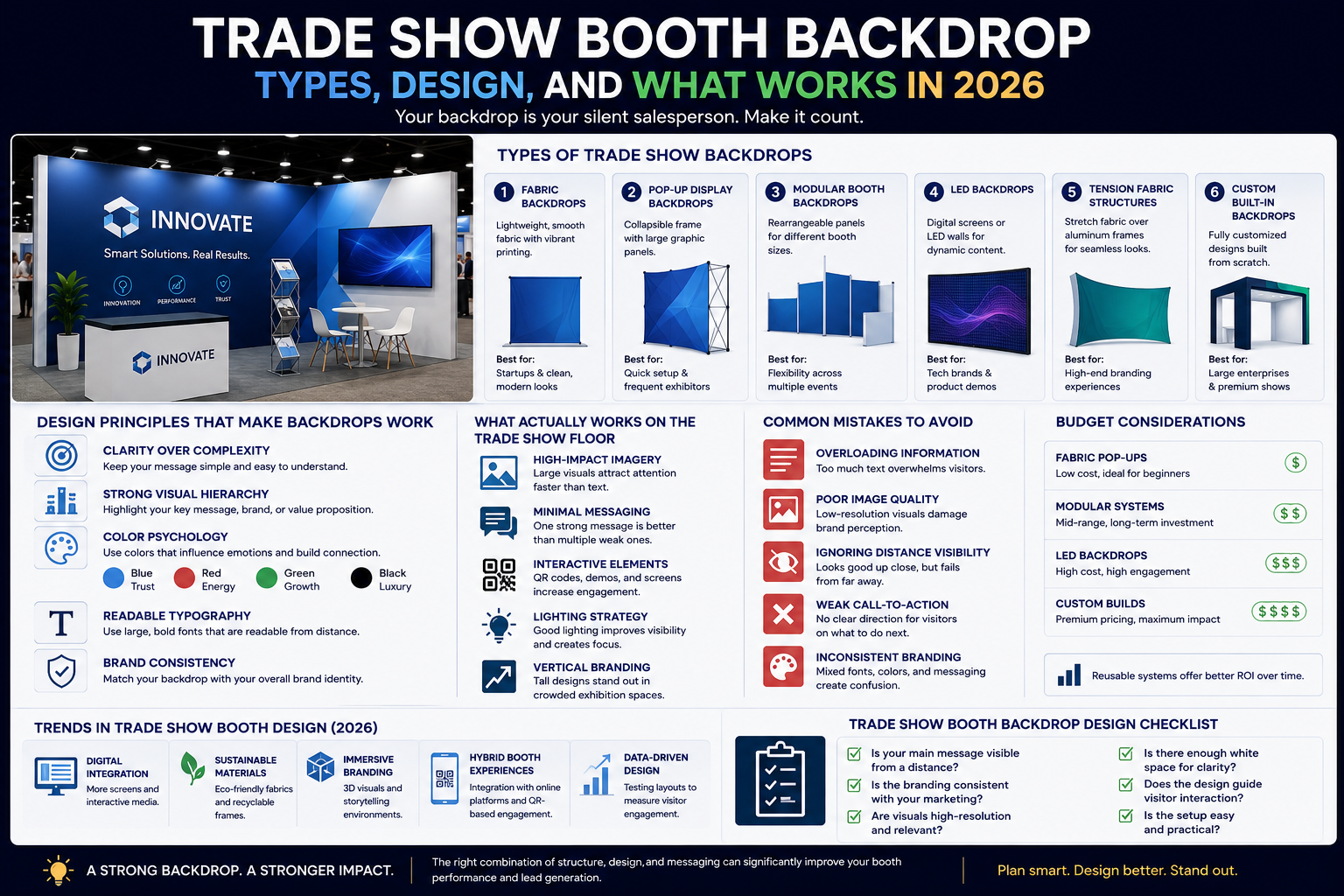
2. Booth Design and Display Expenses
An attractive booth helps businesses stand out in crowded exhibition halls.
Booth-related expenses may include:
- Custom exhibit fabrication
- Graphic printing
- Flooring installation
- Furniture rentals
- Lighting systems
- Signage
- Interactive displays
Custom booths can create a strong visual impact, but they also involve higher transportation and storage costs.
First-time exhibitors should focus on creating a clean, professional design instead of overspending on unnecessary visual elements.
Modular booth systems are often a cost-effective option for smaller businesses.
3. Shipping and Logistics Costs
Shipping is one of the most underestimated trade show expenses.
Logistics-related expenses may include:
- Freight transportation
- Packaging supplies
- Material handling
- Drayage services
- Warehouse storage
- Return shipping
Drayage fees are particularly important because convention centers charge exhibitors to move materials from the loading dock to the booth space.
International events may also involve:
- Customs clearance
- Import duties
- Freight insurance
- Specialized documentation
Late shipments can result in expensive rush handling fees and operational delays.
Proper logistics planning helps avoid unnecessary complications.
4. Installation and Dismantling Labor
Many convention centers require exhibitors to use union labor for booth setup and teardown.
Labor-related expenses may include:
- Installation crews
- Electricians
- Carpet installers
- Forklift operators
- Audio-visual technicians
Overtime labor charges often apply during evenings, weekends, or accelerated setup schedules.
First-time exhibitors frequently underestimate labor costs because they assume booth setup can be handled independently.
Understanding venue labor policies before the event is essential.
5. Travel and Accommodation Expenses
Travel costs can consume a significant portion of the overall event budget.
Common travel-related expenses include:
- Airfare
- Hotel accommodations
- Ground transportation
- Parking fees
- Meals and entertainment
- Daily allowances
Hotels located near convention centers often increase prices during major trade shows.
Booking accommodations early can help businesses reduce expenses and secure better room options.
Some exhibitors also forget to budget for baggage fees and transportation of booth materials.
6. Staffing and Employee Training
Your booth staff directly impacts attendee engagement and lead generation success.
Staffing expenses may include:
- Employee wages
- Overtime pay
- Temporary event workers
- Product specialists
- Brand ambassadors
Training costs should also be included in the budget.
Employees should understand:
- Product messaging
- Lead qualification strategies
- Customer engagement techniques
- Demonstration procedures
A well-trained team creates stronger customer interactions and improves event performance.
7. Marketing and Promotional Materials
Trade show marketing extends far beyond booth signage.
Promotional expenses may include:
- Email marketing campaigns
- Social media advertising
- Printed brochures
- Product catalogs
- Business cards
- Promotional giveaways
- Event sponsorships
Branded giveaways can improve brand visibility, but businesses should avoid overspending on low-value items.
Pre-show marketing campaigns are especially important for attracting booth visitors before the event begins.
8. Technology and Digital Engagement Tools
Modern trade show booths rely heavily on technology to create engaging attendee experiences.
Technology-related expenses may include:
- Tablets and laptops
- Interactive kiosks
- Touchscreen displays
- Virtual reality experiences
- Lead retrieval systems
- Audio-visual equipment
Convention center Wi-Fi services are often much more expensive than exhibitors expect.
Businesses should also budget for technical support and backup equipment.
Reliable technology improves both operational efficiency and visitor engagement.
9. Lead Capture and CRM Integration
Lead generation is one of the primary reasons businesses exhibit at trade shows.
Lead management expenses may include:
- Badge scanners
- CRM integration
- Automated follow-up systems
- Data processing software
Without proper lead tracking systems, valuable sales opportunities may be lost after the event.
Efficient lead management improves follow-up speed and conversion rates.
Investing in lead capture tools can significantly improve ROI.
10. Hospitality and Networking Costs
Hospitality expenses are frequently overlooked during budgeting.
These expenses may include:
- Catering services
- Coffee stations
- Snacks and beverages
- Client dinners
- Networking receptions
Convention center food and beverage pricing is usually much higher than regular restaurant costs.
Businesses hosting VIP meetings or networking events should allocate additional funds for hospitality services.
11. Sponsorship and Branding Opportunities
Trade shows often offer sponsorship opportunities that increase exhibitor visibility.
Examples include:
- Sponsored sessions
- Event signage
- Mobile app advertising
- Branded lanyards
- Networking lounge sponsorships
While sponsorships can improve brand awareness, businesses should carefully evaluate whether the investment aligns with their target audience and event objectives.
Not all sponsorship opportunities generate strong ROI.
12. Insurance and Risk Management
Insurance is an important but frequently forgotten expense category.
Trade show insurance may cover:
- Booth damage
- Theft protection
- Liability claims
- Worker injuries
- Shipping losses
Some venues require exhibitors to provide proof of insurance before booth setup begins.
Adequate insurance coverage helps protect businesses from unexpected financial risks.
13. Post-Show Follow-Up Expenses
Trade show success depends heavily on what happens after the event ends.
Post-show expenses may include:
- Email follow-up campaigns
- Sales outreach
- CRM updates
- Proposal development
- Retargeting advertisements
Businesses that fail to follow up promptly often lose valuable sales opportunities.
Post-event marketing should always be included in the original budget plan.
14. Administrative and Miscellaneous Costs
Administrative expenses may seem minor individually, but they can accumulate quickly.
Examples include:
- Registration fees
- Payment processing charges
- Office supplies
- Permit applications
- Printing services
Careful expense tracking helps businesses maintain better financial control.
Ignoring miscellaneous costs often leads to budget overruns.
15. Emergency and Contingency Funds
Unexpected problems are common during trade shows.
Emergency expenses may include:
- Last-minute printing
- Equipment replacement
- Rush shipping
- Additional staffing
- Technical troubleshooting
Industry experts often recommend reserving 10–15% of the total event budget for contingency planning.
A financial safety buffer helps businesses respond quickly to unforeseen challenges.
Common Mistakes First-Time Exhibitors Make
First-time exhibitors often make avoidable budgeting mistakes.
Overspending on Booth Design
A flashy booth does not guarantee stronger lead generation.
Ignoring Hidden Costs
Small expenses can accumulate quickly.
Waiting Too Long to Book Services
Last-minute bookings often result in higher prices.
Underestimating Labor Fees
Union labor charges can be surprisingly expensive.
Failing to Track ROI
Without proper performance analysis, businesses cannot improve future event strategies.
Avoiding these mistakes can dramatically improve event profitability.
Tips for Creating a Successful Trade Show Budget
A successful trade show budget requires careful planning and ongoing management.
Define Clear Objectives
Establish your goals before allocating resources.
Prioritize High-Impact Spending
Focus investments on lead generation and customer engagement.
Compare Vendor Quotes
Research multiple suppliers to secure competitive pricing.
Monitor Expenses Continuously
Track spending throughout the planning process.
Use Historical Data
Analyze previous event performance when available.
Evaluate Results After the Event
Measure ROI and identify opportunities for improvement.
A proactive budgeting strategy improves financial efficiency and event success.
Measuring Trade Show ROI
Every trade show investment should be evaluated using measurable performance indicators.
Important KPIs may include:
- Number of qualified leads
- Sales conversions
- Cost per lead
- Booth traffic volume
- Revenue generated
- Customer engagement levels
Tracking these metrics helps businesses determine which investments produced the strongest returns.
Data-driven insights improve future trade show budgeting and planning.
Final Thoughts
Trade shows can create valuable opportunities for business growth, networking, and lead generation, but first-time exhibitors often underestimate the hidden costs involved in participating successfully.
A detailed budgeting strategy helps businesses stay organized, reduce financial surprises, and maximize event ROI. From booth design and logistics to staffing and post-show marketing, every expense category should be carefully planned and tracked.
If you want a complete budgeting framework that helps identify hidden exhibitor expenses and improve your financial planning process, this comprehensive Trade Show Budget Template: Every Cost Category Exhibitors Miss can help you build a smarter, more organized, and more profitable trade show strategy for future exhibitions.



 English
 Arabic
 French
 Spanish
 Portuguese
 Turkish
 Dutch
Dutch
 Italiano
 Russian
 Romaian
 Portuguese (Brazil)
 Greek
Greek