

Choosing the Right Hair Transplant Approach for Your Hair Loss Pattern
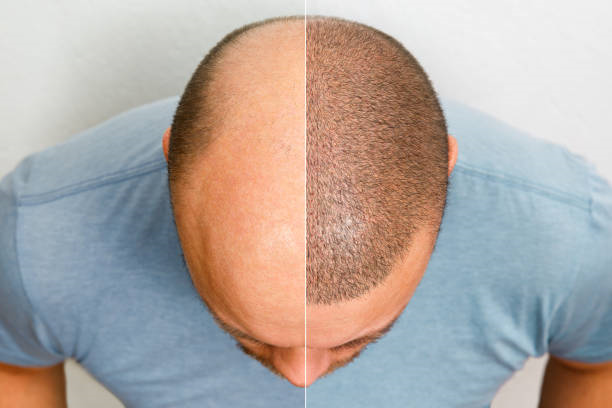
A well-chosen hair transplant in Riyadh approach begins with understanding your specific hair loss pattern and long-term goals. This sets expectations and helps determine which surgical or adjunctive methods will deliver the most natural, lasting results.
Why Assessing Your Hair Loss Pattern Matters
Evaluating the pattern, progression, and cause of hair loss ensures the chosen procedure addresses both current thinning and future stability. A clear assessment helps avoid over-harvesting donor hair and improves the likelihood of a successful restoration.
Common Hair Loss Patterns and What They Mean
Male and female patterns, diffuse thinning, and localized patches each suggest different strategies and grafting needs. Identifying whether hair loss is stable, progressive, or medically driven guides whether to prioritize conservative planning or a more extensive approach.
How Donor Area Quality Influences Technique Choice
The density, texture, and elasticity of donor hair determine whether follicular unit extraction (FUE) or follicular unit transplantation (FUT) is preferable. Strong donor reserves allow more aggressive coverage plans, whereas limited donor supply requires conservative design and possible staged procedures.
Matching Techniques to Patterns: FUE, FUT, and Hybrid Strategies
FUE works well for patients wanting minimal linear scarring and flexible graft extraction, while FUT may be preferred when a larger graft yield is needed from a single session. Hybrid approaches combine both to maximize graft numbers while managing scarring and donor limitation.
Scalp and Hair Type Considerations
Curly, coarse, or thick hair can give better visual density per graft than fine, straight hair, which affects how many grafts are needed and shape of the recipient design. Scalp laxity and previous surgeries also influence the feasibility of certain techniques.
Age, Hormones, and Health Factors in Planning
Younger patients with unstable hair loss or active hormonal imbalance may need medical stabilization before surgery, while older patients with stable patterns are often better candidates for definitive grafting. Overall health, medications, and lifestyle choices also affect healing and long-term retention.
Combining Medical Therapies With Surgical Plans
Using topical or systemic therapies alongside surgery can slow progression and protect existing hair, improving long-term satisfaction. An integrated plan often delays the need for repeat sessions and supports graft survival.
Brief explanation: Recommends combining non-surgical treatments with transplant plans.
Aesthetic Principles: Hairline Design and Naturalness
Designing a hairline that matches facial proportions and age is critical to a natural result; aggressive, juvenile hairlines can look unnatural as the patient ages. Hair direction, angulation, and density distribution must reflect natural patterns to avoid detectable transplantation.
Staged Planning Versus Single-Session Coverage
For extensive loss, staged procedures allow careful donor management and progressive improvement while monitoring disease stability. Single-session approaches may suit smaller areas or patients prioritizing faster completion.
Managing Expectations and Setting Realistic Goals
Clear communication about achievable density, likely need for future procedures, and the timeline for visible results prevents disappointment. Before-and-after examples from similar patterns help patients form realistic expectations.
Potential Risks and How Technique Choice Affects Them
Different techniques carry different complication profiles—FUT may have higher linear scar risk, while FUE can risk over-harvesting and diffuse thinning if not planned carefully. Understanding trade-offs allows informed consent and better decision-making.
Aftercare and Its Role in Graft Survival
Postoperative care—proper washing, activity modification, and follow-up—directly influences graft take and healing. Choosing a technique that aligns with the patient’s ability to follow aftercare improves outcomes.
When to Consider Complementary Procedures
Scalp micropigmentation, platelet-rich plasma, or low-level laser therapies can enhance perceived density and support transplanted grafts, especially in cases with limited donor hair. Complementary options can be part of a staged, multi-modal plan.
How to Evaluate a Proposed Treatment Plan
Look for clear explanations of donor assessment, graft numbers (described qualitatively), hairline strategy, and contingency for future hair loss. A plan should prioritize long-term hair preservation over short-term density.
Practical Steps to Decide Your Approach
Start with a medical evaluation to rule out reversible causes, request detailed photographic examples for your pattern, and discuss a staged plan that preserves donor hair. Gathering multiple professional opinions can clarify the best long-term strategy.
Summary of Best Matches by Pattern
Diffuse thinning often benefits from conservative grafting with adjunctive medical therapy, while stable, localized recession may be well served by focused transplantation using either FUE or FUT. Complex patterns may require hybrid or staged solutions to balance coverage and donor preservation.
Making the Final Choice Confidently
Weigh aesthetic goals, medical stability, donor quality, and lifestyle constraints when selecting a technique. A patient-centered plan that includes long-term follow-up typically yields the most satisfying outcomes.
Call to Action
If you’re considering Hair Transplant in Riyadh and want a personalized assessment tailored to your hair loss pattern, reach out to arrange a professional consultation and learn about a stepwise plan that prioritizes natural, lasting results; Enfield Royal Saudi offers evaluation and guidance to help you choose the right approach.
Brief explanation: Invites the reader to take the next step and mentions the requested name.
Frequently Asked Questions
What determines whether I should choose FUE or FUT?
The choice depends on donor area quality, desired graft numbers, scarring concerns, and your preference for recovery time versus single-session yield.
Brief explanation: Summarizes core factors guiding technique selection.
Can medical therapy replace the need for a transplant?
Medical therapy can stabilize progressive loss and postpone surgery, but it rarely restores large areas of lost hair to the same degree as transplantation.
Brief explanation: Explains limits of non-surgical treatment.
How soon will I see visible results after a transplant?
Initial growth often begins a few months after surgery, with most visible improvement appearing within the first year as transplanted follicles mature.
Brief explanation: Sets timing expectations for regrowth.
Is it possible to achieve full density with limited donor hair?
Achieving full density may not be possible with limited donor reserves; realistic planning and adjunctive therapies can improve visual fullness.
Brief explanation: Manages expectations for limited donor situations.
Will a hair transplant look natural for my specific hair type?
When design considers hair texture, curl, and direction, transplanted hair can blend naturally; hair type influences grafting strategy and perceived density.
Brief explanation: Confirms natural results depend on tailored technique.
How do I know if my hair loss is stable enough for a transplant?
A medical evaluation, assessment of progression over time, and sometimes trial medical therapy help determine stability before committing to surgery.
Brief explanation: Advises on assessing readiness for transplantation.

 English
 Arabic
 French
 Spanish
 Portuguese
 Deutsch
 Turkish
 Dutch
Dutch
 Russian
 Romaian
 Portuguese (Brazil)
 Greek
Greek