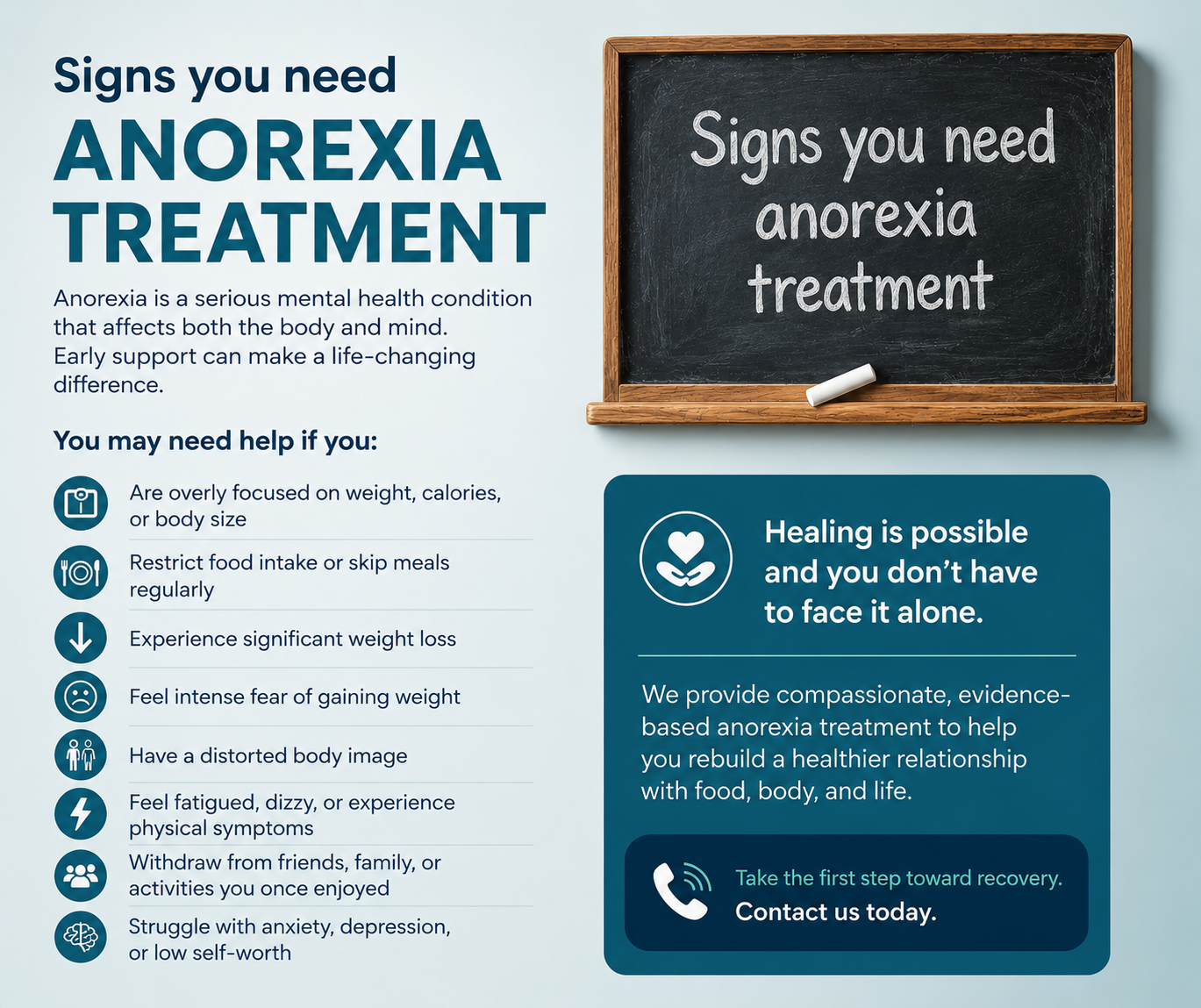
Eating disorders affect both physical and mental health, and anorexia nervosa is one of the most serious conditions among them. Many people struggle silently for months or even years before seeking professional support. Recognizing the signs you need anorexia treatment early can help prevent severe complications and improve long-term recovery outcomes. At Boston Neurobehavioral Associates, mental health professionals understand how complex anorexia can be and why early intervention matters.
Anorexia is not simply about dieting or wanting to lose weight. It is a serious mental health disorder characterized by restrictive eating behaviors, intense fear of weight gain, and a distorted body image. Without proper treatment, anorexia can affect every organ system in the body and significantly impact emotional well-being.
Understanding Anorexia Nervosa
Anorexia nervosa often develops gradually. What may begin as healthy eating habits or weight-conscious behavior can slowly become dangerous. Individuals with anorexia typically restrict calories, avoid certain foods, or engage in excessive exercise to control their weight.
The condition affects people of all ages, genders, and backgrounds. Although it is commonly associated with teenagers and young adults, adults and older individuals can also develop anorexia. Because symptoms may not always appear obvious, many cases remain unnoticed until serious health problems emerge.
Physical Signs You Need Anorexia Treatment
One of the clearest indicators that professional help is needed involves physical changes in the body. These symptoms often worsen over time if left untreated.
Significant Weight Loss
Rapid or extreme weight loss is one of the most common warning signs. A person may become noticeably underweight or maintain a dangerously low body mass index. Even when others express concern, individuals with anorexia may continue to believe they are overweight.
Constant Fatigue and Weakness
Restricting food intake deprives the body of essential nutrients and energy. This can result in persistent exhaustion, dizziness, and difficulty concentrating. Simple daily activities may begin to feel overwhelming.
Hair Loss and Dry Skin
Poor nutrition often affects hair, skin, and nails. Hair may become thin or brittle, while skin may appear dry, pale, or unhealthy. Some individuals also develop fine body hair called lanugo as the body attempts to conserve heat.
Irregular Heart Rate
Anorexia can place severe stress on the cardiovascular system. Slow heart rate, low blood pressure, chest pain, or fainting episodes should never be ignored. These symptoms may indicate dangerous complications requiring immediate medical attention.
Digestive Problems
Frequent constipation, stomach pain, bloating, or nausea can occur because the digestive system slows down due to malnutrition. Long-term starvation weakens normal digestive function.
Emotional and Behavioral Warning Signs
The emotional effects of anorexia are equally important. In many cases, behavioral changes appear before physical symptoms become severe.
Obsession With Food and Calories
People struggling with anorexia often become preoccupied with calorie counting, portion sizes, and dieting rules. They may avoid eating in social situations or become anxious around meals.
Intense Fear of Weight Gain
A constant fear of gaining weight is one of the defining symptoms of anorexia. Even after significant weight loss, individuals may continue to see themselves as overweight.
Social Withdrawal
Many individuals isolate themselves from friends and family to avoid questions about eating habits or appearance. They may skip social events involving food or become increasingly secretive.
Mood Changes
Anorexia can contribute to depression, anxiety, irritability, and emotional instability. Malnutrition affects brain function, making emotional regulation more difficult over time.
Excessive Exercise
Compulsive exercise is another major warning sign. Some individuals exercise intensely even when they are physically exhausted or injured because they feel guilty after eating.
Medical Risks of Untreated Anorexia
Ignoring the signs you need anorexia treatment can lead to life-threatening complications. Anorexia has one of the highest mortality rates among mental health disorders due to medical complications and increased suicide risk.
Some serious health consequences include:
- Heart problems and arrhythmias
- Bone loss and osteoporosis
- Hormonal imbalances
- Fertility issues
- Kidney damage
- Weakened immune system
- Severe dehydration
- Cognitive impairment
These complications can become irreversible without timely treatment.
Why Early Treatment Matters
Early intervention greatly improves the chances of recovery. The longer anorexia continues, the more difficult it becomes to reverse harmful thought patterns and physical damage.
Professional treatment addresses both the psychological and physical aspects of the disorder. Recovery is not simply about gaining weight. It involves healing emotional struggles, rebuilding healthy eating habits, and developing a healthier relationship with body image.
At Boston Neurobehavioral Associates, mental health specialists focus on evidence-based approaches designed to support long-term healing and emotional wellness.
What Anorexia Treatment May Include
Treatment plans vary depending on the severity of symptoms and individual needs. A comprehensive approach often provides the best outcomes.
Medical Monitoring
Medical supervision helps stabilize physical health and monitor complications related to malnutrition. In severe cases, hospitalization may be necessary.
Nutritional Counseling
Registered dietitians help individuals rebuild healthy eating habits and restore nutritional balance without fear or guilt.
Therapy and Counseling
Psychotherapy plays a critical role in anorexia recovery. Cognitive behavioral therapy, family therapy, and other evidence-based approaches can help individuals understand unhealthy thought patterns and develop healthier coping mechanisms.
Family Support
Family involvement can make a major difference during recovery. Supportive family environments often improve treatment success and reduce relapse risk.
How to Support Someone Showing Signs of Anorexia
Watching someone struggle with anorexia can feel heartbreaking and confusing. Many people are unsure how to help without causing conflict or shame.
Here are some supportive strategies:
- Approach conversations with empathy rather than criticism
- Avoid commenting on weight or appearance
- Encourage professional help without forcing control
- Listen without judgment
- Focus on emotional well-being instead of food alone
Recovery is often a gradual process, and compassionate support can help individuals feel less isolated.
Breaking the Stigma Around Eating Disorders
Unfortunately, stigma still prevents many individuals from seeking treatment. Some people believe eating disorders only affect certain groups or assume anorexia is simply about appearance. These misconceptions can delay life-saving care.
Anorexia is a complex mental health condition that deserves professional attention, compassion, and understanding. Seeking treatment is not a sign of weakness. It is an important step toward healing and reclaiming a healthier life.
Final Thoughts
Recognizing the signs you need anorexia treatment can make a life-changing difference. Physical symptoms, emotional struggles, and unhealthy behaviors should never be ignored. Early intervention offers the best opportunity for recovery and long-term well-being.
Professional care can help individuals regain physical health, restore emotional balance, and build a healthier relationship with food and self-image. Boston Neurobehavioral Associates provides compassionate mental health support designed to help individuals navigate the challenges of eating disorders with confidence and care.



 English
 Arabic
 French
 Spanish
 Portuguese
 Deutsch
 Turkish
 Dutch
Dutch
 Italiano
 Russian
 Romaian
 Greek
Greek