

Cedar Fever: Cedar Fever Season—Symptoms, Triggers, and Prevention Guide
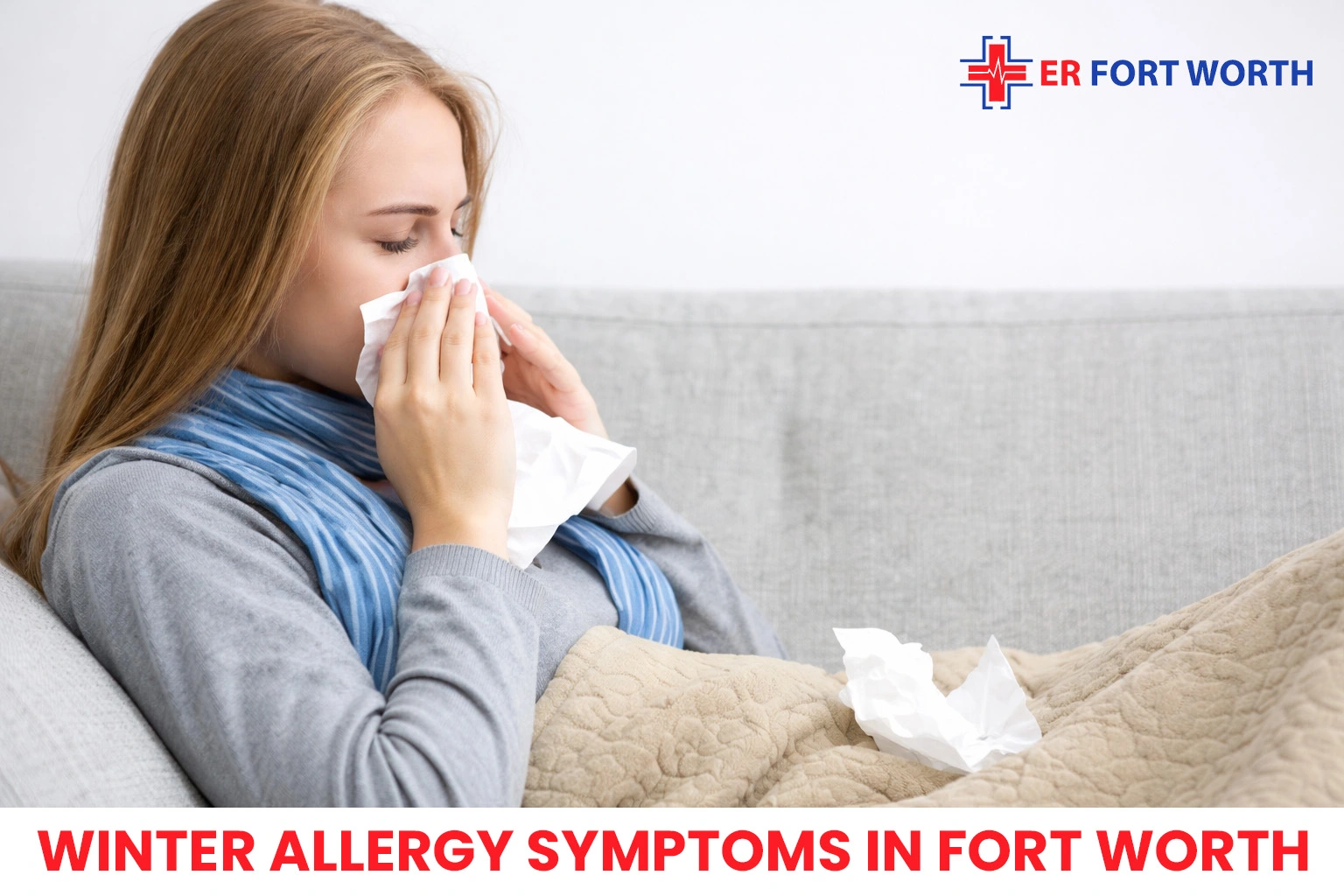
Seasonal allergies affect many people in parts of the United States, especially during colder months. One of the most common seasonal allergy conditions is Cedar Fever, a strong allergic reaction to pollen from cedar trees.
Understanding Cedar Fever symptoms, triggers, and prevention can help reduce discomfort and improve daily life during peak season.
What Is Cedar Fever?
Cedar Fever is a type of seasonal allergic reaction caused by exposure to cedar tree pollen, especially during peak pollination periods.
It is not a viral infection, but an immune system response that can feel similar to the flu.
Cedar Fever Season
Cedar pollen levels are usually highest during winter months, when trees release large amounts of pollen into the air.
During this time, symptoms may become more severe, especially outdoors or in windy conditions.
Common Cedar Fever Symptoms
Symptoms of Cedar Fever can range from mild to severe.
Common signs include:
- Sneezing
- Runny or stuffy nose
- Watery or itchy eyes
- Sore throat
- Fatigue
- Head pressure or sinus pain
- Coughing
Some people may mistake it for Influenza or a common cold.
Cedar Fever Triggers
Symptoms often worsen due to exposure to:
- Cedar pollen in the air
- Windy outdoor conditions
- Dry weather
- Open windows during high pollen days
- Outdoor activities in peak season
Who Is Most at Risk?
People in the United States who are more sensitive to allergies include:
- Individuals with asthma
- People with seasonal allergies
- Children and older adults
- People living in high pollen regions
Cedar Fever vs Cold or Flu
Cedar Fever can be confused with viral infections.
Key differences:
- Cedar Fever does not cause high fever
- Symptoms persist as long as exposure continues
- It improves when pollen exposure is reduced
- Viral infections often include body aches and fever
Possible Complications
If untreated or unmanaged, Cedar Fever may lead to:
- Sinus infections
- Worsening asthma symptoms
- Sleep disturbances
- Chronic congestion
Prevention Tips
Reduce symptoms of Cedar Fever by:
- Staying indoors during high pollen days
- Keeping windows closed
- Using air purifiers
- Wearing a mask outdoors
- Showering after outdoor exposure
- Washing clothes frequently
Treatment and Relief Options
1. Antihistamines
Help reduce allergy symptoms.
2. Nasal sprays
Reduce congestion and inflammation.
3. Hydration
Helps thin mucus.
4. Rest
Supports immune balance.
5. Avoid triggers
Limiting exposure to cedar pollen is key.
When to See a Doctor
Seek medical advice if:
- Symptoms are severe or persistent
- Breathing becomes difficult
- Asthma symptoms worsen
- Sinus pain becomes intense
Conclusion
Cedar Fever is a seasonal allergic condition that can significantly affect daily life during peak pollen season in the United States. Recognizing symptoms early and avoiding triggers can help reduce discomfort and improve overall well-being.

 English
 Arabic
 French
 Spanish
 Portuguese
 Deutsch
 Dutch
Dutch
 Italiano
 Russian
 Romaian
 Portuguese (Brazil)
 Greek
Greek