

What Is Blind Folded Meaning in Yoga? Understanding the Practice, Purpose, and Inner Awareness
Introduction to Blind Folded Meaning in Yoga
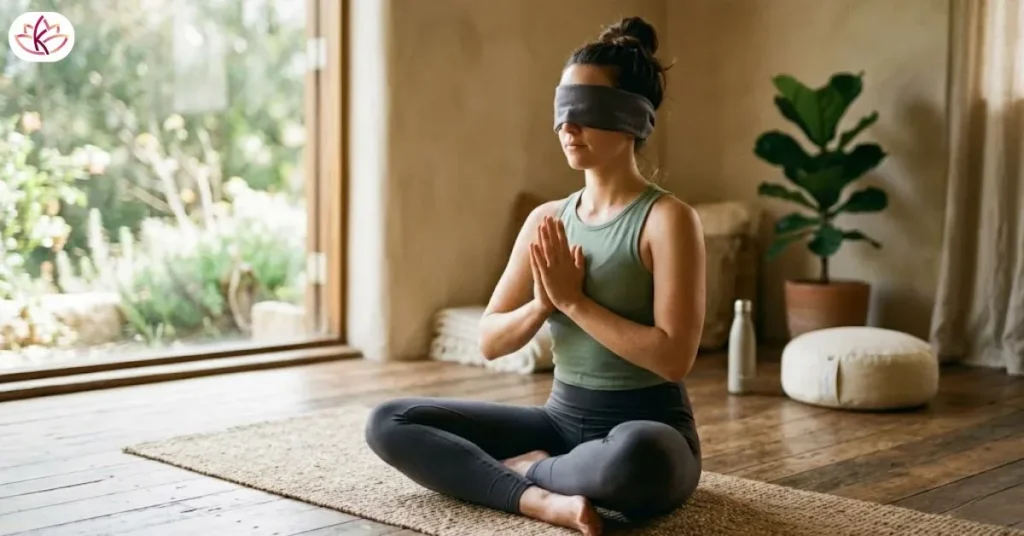
The concept of Blind Folded Meaning in Yoga has gained attention among yoga practitioners who seek a deeper level of mindfulness, concentration, and spiritual awareness. In yoga, a blindfold is not simply a piece of cloth covering the eyes; it symbolizes the intentional withdrawal of external distractions so practitioners can focus inward.
Yoga is traditionally designed to unite the body, mind, and spirit, and blindfolded yoga enhances this connection by encouraging practitioners to rely on breath, sensation, and intuition instead of visual cues. Many yoga teachers incorporate blindfold techniques during meditation, pranayama, restorative yoga, and mindful movement practices to deepen self-awareness and create a more immersive experience.
The Spiritual Significance of Blind Folded Meaning in Yoga
The spiritual interpretation of Blind Folded Meaning in Yoga is closely connected to the yogic principle of pratyahara, which refers to the withdrawal of the senses. In everyday life, people are constantly influenced by visual stimulation, noise, and external pressures that can create mental clutter and emotional imbalance. By covering the eyes during yoga practice, individuals are encouraged to detach from the outside world and connect more deeply with their internal consciousness.
This sensory reduction helps practitioners develop clarity, peace, and heightened awareness of their thoughts and emotions. Many yogis believe that blindfolded yoga can lead to a stronger meditation experience because it minimizes distractions and allows the mind to settle naturally into stillness.
How Blindfolded Yoga Improves Concentration and Awareness
One of the major benefits associated with Blind Folded Meaning in Yoga is the improvement of concentration and mental focus. When vision is removed, the brain automatically shifts attention toward physical sensations, breathing patterns, and balance. This creates a heightened sense of body awareness and encourages practitioners to move more intentionally.
During balancing poses such as Tree Pose or Warrior III, blindfolded practice can challenge stability and strengthen proprioception, which is the body’s awareness of movement and position. As a result, yoga students often become more attentive to alignment, muscle engagement, and subtle body signals. This mindful attention can improve overall yoga performance while also cultivating patience and discipline.
Emotional Healing and Inner Confidence Through Blindfolded Yoga
Another important aspect of Blind Folded Meaning in Yoga is emotional healing and personal growth. Practicing yoga without sight can initially feel uncomfortable because it removes the sense of control many people rely upon. However, this discomfort often becomes an opportunity for self-discovery and trust-building. Blindfolded yoga encourages practitioners to let go of judgment, comparison, and self-consciousness.
In a traditional yoga class, people may become distracted by observing others or worrying about appearance and performance. Blindfolds eliminate these visual comparisons and allow individuals to focus entirely on their own journey. Over time, this can increase self-confidence, emotional resilience, and acceptance of imperfections both on and off the yoga mat.
The Role of Breath and Meditation in Blind Folded Meaning in Yoga
Breathwork and meditation are essential elements in understanding Blind Folded Meaning in Yoga. Since visual distractions are reduced, practitioners naturally become more connected to their breathing rhythm and internal energy flow. Deep breathing techniques such as alternate nostril breathing, diaphragmatic breathing, and mindful inhalation become more powerful when practiced blindfolded.
Meditation sessions also become more immersive because the mind has fewer external objects to focus on. Many yoga instructors use blindfolds during guided meditation to help students enter a calm and reflective mental state. This enhanced inward focus can reduce stress, anxiety, and mental fatigue while promoting emotional balance and relaxation.
Safety and Best Practices for Blindfolded Yoga
Although Blind Folded Meaning in Yoga offers many benefits, it is important to practice safely and mindfully. Beginners should start with simple seated poses, breathing exercises, or restorative yoga before attempting complex movements. A calm and clutter-free environment is essential to prevent injuries or imbalance. Many teachers recommend practicing blindfolded yoga under professional guidance, especially during standing or balancing sequences.
The purpose is not perfection but awareness and connection. Practitioners should move slowly, listen to their bodies, and remain fully present throughout the session. With consistent practice, blindfolded yoga can become a transformative experience that deepens mindfulness, strengthens intuition, and enhances the overall spiritual journey of yoga.

 English
 Arabic
 Spanish
 Portuguese
 Deutsch
 Turkish
 Dutch
Dutch
 Italiano
 Russian
 Romaian
 Portuguese (Brazil)
 Greek
Greek