

Top Fabric Choices Used in Clothing Manufacturing
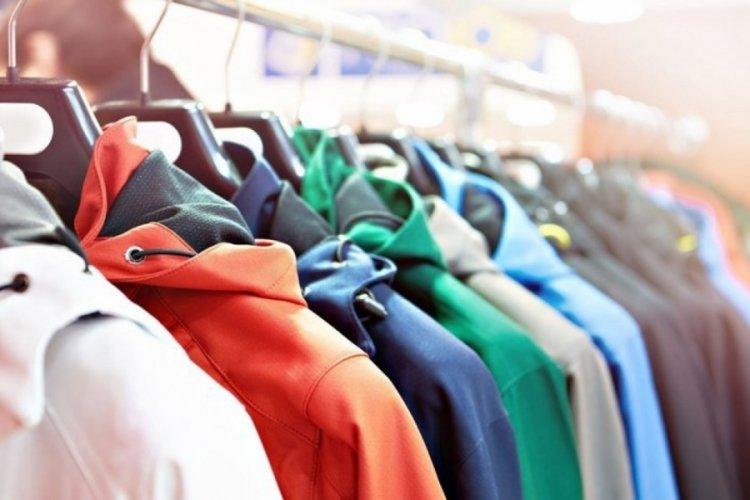
Fabric is one of the most important elements in clothing manufacturing. It affects how garments look, feel, perform, and last over time. Whether producing casual wear, activewear, uniforms, or luxury fashion, choosing the right fabric can directly influence customer satisfaction and brand reputation.
For apparel businesses working with high quality clothing manufacturers, understanding fabric options is essential. Different materials serve different purposes, and selecting the right one requires balancing comfort, durability, appearance, and cost.
Here are some of the top fabric choices used in clothing manufacturing and the benefits each offers.
1. Cotton – The Industry Standard
Cotton remains one of the most widely used fabrics in clothing manufacturing. Known for its softness and breathability, cotton works well across multiple apparel categories.
It is commonly used for:
- T-shirts
- Hoodies
- Casual wear
- Baby clothing
- Undergarments
Benefits of Cotton
- Soft and comfortable
- Highly breathable
- Moisture absorbing
- Easy to print and embroider
- Suitable for sensitive skin
Cotton offers a natural feel that many consumers prefer. It also performs well in warm climates because of its airflow and moisture absorption.
Several cotton varieties are used in apparel production:
Combed Cotton
Extra-soft and refined for premium garments.
Ring-Spun Cotton
Stronger and smoother than traditional cotton.
Organic Cotton
Produced without harmful chemicals and often used in sustainable fashion.
Many high quality clothing manufacturers recommend premium cotton fabrics for brands focused on comfort and everyday wear.
2. Polyester – Durability and Performance
Polyester is a synthetic fabric widely used in modern clothing manufacturing. It is especially popular in sportswear and performance apparel because of its strength and moisture management.
Polyester garments are commonly found in:
- Activewear
- Uniforms
- Outdoor clothing
- Promotional apparel
- Sports jerseys
Benefits of Polyester
- Lightweight
- Durable
- Wrinkle resistant
- Quick drying
- Color retaining
Unlike cotton, polyester does not absorb moisture. Instead, it pulls sweat away from the skin, making it ideal for physically demanding activities.
Polyester also holds shape well and requires minimal maintenance.
Because of these advantages, many high quality clothing manufacturers rely on polyester when producing durable and performance-focused apparel.
3. Cotton-Polyester Blends – Balanced Performance
Blended fabrics combine natural and synthetic fibers to deliver multiple benefits in one material.
Cotton-polyester blends are among the most popular fabric choices in clothing manufacturing.
Common blend ratios include:
- 50/50 cotton-poly
- 60/40 cotton-poly
- 65/35 cotton-poly
Benefits of Cotton Blends
- Comfortable feel
- Reduced shrinkage
- Improved durability
- Better wrinkle resistance
- Affordable production costs
These fabrics combine cotton softness with polyester strength.
Blends work particularly well for:
- Corporate apparel
- Team uniforms
- Casual fashion
- Branded merchandise
Many high quality clothing manufacturers suggest blended fabrics for brands seeking long-lasting garments without sacrificing comfort.
4. Fleece – Warm and Comfortable
Fleece is a popular fabric used in cold-weather clothing and casual fashion. Typically made from polyester or cotton blends, fleece provides insulation and softness.
Common fleece products include:
- Hoodies
- Sweatshirts
- Jackets
- Lounge sets
Benefits of Fleece
- Excellent warmth
- Lightweight feel
- Soft texture
- Comfortable layering
- Easy maintenance
There are several fleece types available.
Brushed Fleece
Features a soft interior and premium feel.
Polar Fleece
Provides strong insulation with lightweight performance.
French Terry
A lighter fleece option with breathability and flexibility.
As comfort-driven fashion continues growing, fleece remains a preferred fabric among high quality clothing manufacturers producing premium casualwear.
5. Linen – Breathable and Elegant
Linen is made from flax fibers and is known for its lightweight and luxurious appearance. It has become increasingly popular in fashion collections focused on comfort and sophistication.
Linen is commonly used in:
- Summer clothing
- Dresses
- Resort wear
- Lightweight shirts
- Relaxed tailoring
Benefits of Linen
- Highly breathable
- Moisture absorbing
- Lightweight
- Natural texture
- Eco-friendly qualities
Linen performs especially well in warm climates.
Although it wrinkles more easily than cotton or polyester, many consumers appreciate its relaxed and natural appearance.
Fashion brands seeking elevated aesthetics often work with high quality clothing manufacturers to incorporate linen into premium collections.
6. Spandex and Elastane – Stretch and Flexibility
Spandex, also called elastane or Lycra, is famous for its elasticity.
Rather than being used alone, it is typically blended with other fabrics to improve flexibility and fit.
Spandex is common in:
- Leggings
- Activewear
- Swimwear
- Compression garments
- Performance apparel
Benefits of Spandex
- Exceptional stretch
- Shape retention
- Comfortable movement
- Flexible fit
- Resistance to sagging
Even a small amount of spandex can significantly improve garment comfort and performance.
This makes it highly valuable in modern sportswear and body-contouring fashion.
Many high quality clothing manufacturers use spandex blends to create garments that support movement while maintaining structure.
7. Rayon and Viscose – Soft and Fashionable
Rayon and viscose are semi-synthetic fabrics made from regenerated plant fibers. These fabrics offer softness and fluid draping similar to natural materials.
They are frequently used in:
- Blouses
- Dresses
- Fashion tops
- Lightweight apparel
Benefits of Rayon
- Soft texture
- Smooth appearance
- Excellent draping
- Lightweight feel
- Comfortable wear
Rayon creates elegant silhouettes and fashionable movement, making it ideal for trend-driven collections.
However, it may require more careful maintenance than cotton or polyester.
Brands producing stylish fashion pieces often collaborate with high quality clothing manufacturers to use rayon effectively in garment design.
8. Sustainable and Eco-Friendly Fabrics
Sustainability has become a major force in clothing manufacturing. Consumers increasingly seek environmentally responsible products, encouraging brands to explore eco-friendly materials.
Popular sustainable fabrics include:
- Organic cotton
- Recycled polyester
- Hemp
- Bamboo
- Tencel and Lyocell
Benefits of Sustainable Fabrics
- Reduced environmental impact
- Lower waste generation
- Ethical sourcing potential
- Growing consumer demand
- Strong brand positioning
These materials often provide excellent comfort and performance while supporting environmentally conscious manufacturing.
Many high quality clothing manufacturers now offer sustainable sourcing options to help brands align with modern consumer expectations.
Eco-friendly fabrics are becoming increasingly important in both luxury and everyday apparel markets.
9. Denim – Durable and Versatile
Denim remains one of the most iconic fabrics in fashion.
Traditionally made from cotton twill, denim is widely used for:
- Jeans
- Jackets
- Workwear
- Streetwear
Benefits of Denim
- Strong durability
- Timeless appeal
- Versatile styling
- Long lifespan
- Multiple wash options
Modern denim often includes stretch fibers for added comfort and flexibility.
Because denim continues evolving with fashion trends, it remains a staple fabric for many apparel brands.
Final Thoughts
Fabric selection is at the heart of successful clothing manufacturing. Cotton offers comfort, polyester delivers durability, blends provide balance, and specialty fabrics like fleece, linen, spandex, and rayon serve specific design and performance goals.
Brands working with high quality clothing manufacturers benefit from expert guidance when choosing fabrics that match their target audience and product vision. Understanding fabric characteristics helps create clothing that not only looks attractive but also performs well and meets customer expectations.
The right fabric choice can elevate product quality, strengthen brand identity, and contribute to long-term success in the competitive apparel industry.

 Arabic
 French
 Spanish
 Portuguese
 Deutsch
 Turkish
 Dutch
Dutch
 Italiano
 Russian
 Romaian
 Portuguese (Brazil)
 Greek
Greek