

Imaging Services: A Simple Guide to Medical Scanning and Diagnosis
Introduction
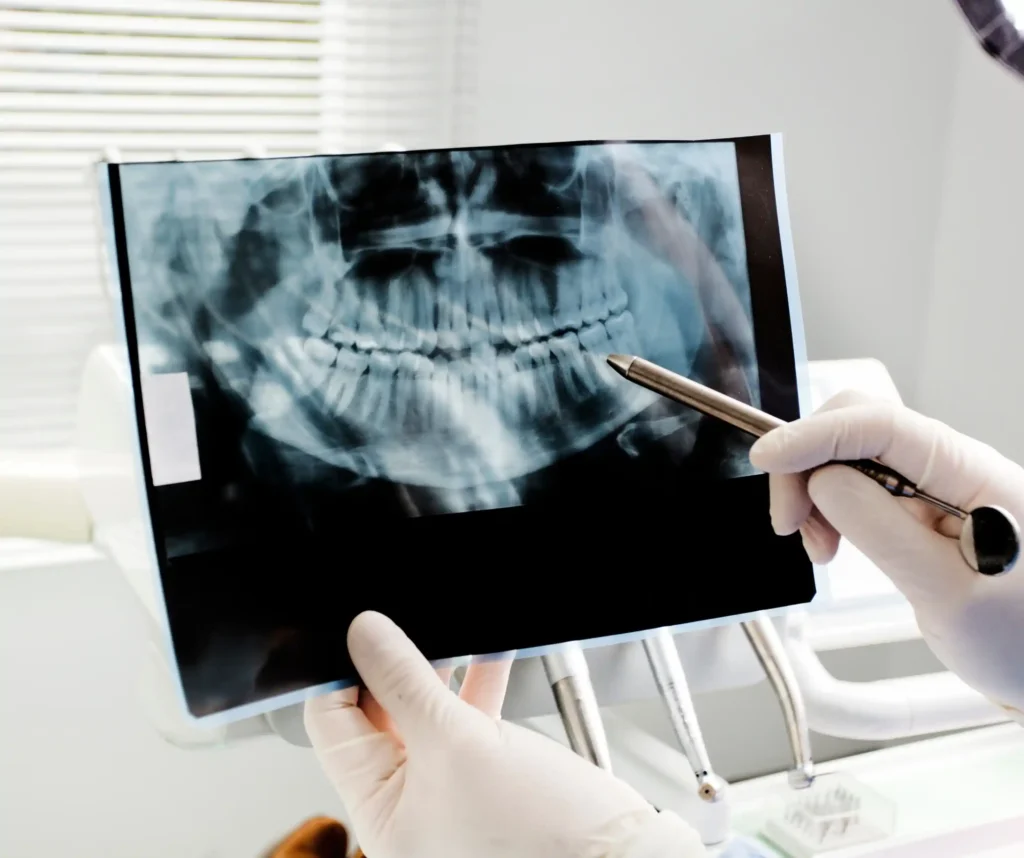
When doctors need to understand what is happening inside the body without surgery, they use imaging services. These medical tests help identify injuries, diseases, and internal conditions using advanced technology like X-rays, CT scans, and MRIs. Imaging plays an important role in fast and accurate diagnosis.
What Are Imaging Services?
Imaging services are medical procedures that create pictures of the inside of the body. These images help doctors diagnose and monitor health conditions.
Common types of imaging include:
- X-rays
- CT scans (Computed Tomography)
- MRI scans (Magnetic Resonance Imaging)
- Ultrasound
- Mammography
Each test provides different information depending on the condition being checked.
Why Imaging Services Are Important
Medical imaging helps doctors make better and faster decisions.
Benefits include:
- Early disease detection
- Accurate diagnosis
- Monitoring treatment progress
- Identifying internal injuries
- Avoiding unnecessary surgery
Quick and clear results help improve patient care.
Common Types of Imaging Services
X-rays
Used to check:
- Broken bones
- Chest infections
- Dental problems
CT Scans
Provide detailed images of:
- Brain
- Chest
- Abdomen
- Internal injuries
MRI Scans
Used for soft tissues such as:
- Brain
- Spine
- Joints
- Muscles
Ultrasound
Uses sound waves to view:
- Pregnancy development
- Organs like liver and kidneys
- Blood flow
Mammography
Used mainly for breast screening and early detection of abnormalities.
When Do You Need Imaging Services?
Doctors may recommend imaging when patients have:
- Persistent pain
- Injuries or accidents
- Swelling or infection
- Unexplained symptoms
- Suspected internal conditions
Imaging helps confirm the exact cause of the problem.
How Imaging Services Work
The process is usually simple and quick.
Step 1: Preparation
Patients may be asked to:
- Remove metal objects
- Wear hospital gowns
- Follow fasting instructions (for some scans)
Step 2: Scanning
The patient is positioned inside or near the imaging machine while images are taken.
Step 3: Image Review
A radiologist examines the images and sends a report to the doctor.
Step 4: Diagnosis
The doctor uses the report to decide treatment.
Are Imaging Tests Safe?
Most imaging procedures are safe and painless.
- X-rays and CT scans use small amounts of radiation
- MRI uses magnetic fields (no radiation)
- Ultrasound uses sound waves
Doctors only recommend tests when necessary to ensure safety.
Benefits of Modern Imaging Technology
Today’s imaging systems are faster and more advanced.
Benefits include:
- Clearer images
- Faster results
- Non-invasive procedures
- Early disease detection
- Better treatment planning
Many healthcare providers now use digital systems for improved accuracy.
The brand Er Of fort Worth emphasizes high-quality diagnostic care and patient-focused medical services that support accurate and timely treatment.
Conclusion
Imaging services are essential tools in modern healthcare. They help doctors see inside the body, diagnose conditions early, and plan effective treatment. With safe and advanced technology, medical imaging plays a key role in improving patient outcomes.
FAQs
What are imaging services?
Imaging services are medical tests that create pictures of the inside of the body to help diagnose health conditions.
Are imaging tests painful?
No, most imaging tests are quick and painless.
How long do imaging results take?
Some results are available the same day, while others may take a few days.
Is radiation used in imaging?
Only certain tests like X-rays and CT scans use small amounts of radiation.
Why do doctors order imaging tests?
Doctors use imaging to diagnose injuries, detect diseases, and monitor treatment progress.
For More Blogs Visit

 English
 Arabic
 French
 Spanish
 Portuguese
 Deutsch
 Turkish
 Dutch
Dutch
 Italiano
 Russian
 Portuguese (Brazil)
 Greek
Greek