

Revolutionizing the Shop Floor: The Ultimate Guide to Manufacturing Software Solutions
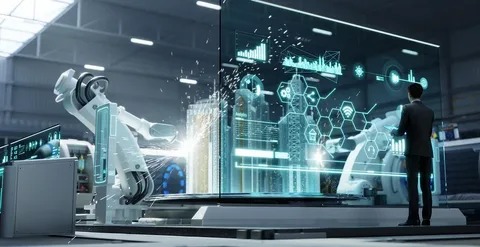
The global manufacturing landscape is undergoing a massive paradigm shift. The days of relying on fragmented spreadsheets, manual whiteboard scheduling, and siloed data are officially over. To survive and thrive in today’s hyper-competitive market, industrial businesses are turning to digital transformation.
At the heart of this revolution are manufacturing software solutions—dynamic, interconnected digital ecosystems designed to optimize every facet of production, from raw material procurement to final product delivery.
Whether you run a boutique precision machining shop or manage a multi-facility global enterprise, integrating the right software isn't just an IT upgrade; it is a core business strategy. This comprehensive guide explores the mechanics of modern manufacturing software, the critical types driving the industry forward, and how to choose the perfect system to future-proof your operations.
What are Manufacturing Software Solutions?
At its core, a manufacturing software solution is an integrated platform or suite of applications engineered to automate, track, and optimize production workflows. These systems bridge the gap between high-level business planning and the granular reality of the factory floor.
By capturing real-time data from machinery, inventory systems, and human operators, manufacturing software provides decision-makers with absolute visibility. Instead of guessing why a production line is lagging or when a machine might fail, managers can look at a single dashboard to uncover the truth instantly.
The Evolution of Manufacturing Tech
Historically, manufacturing technology was fragmented. A company might use one isolated tool for accounting, a completely different software for inventory, and paper logs for tracking machine maintenance.
Today, modern solutions leverage cloud computing, artificial intelligence (AI), and the Industrial Internet of Things (IIoT). This interconnectedness creates a unified digital thread, allowing data to flow seamlessly across departments.
The Core Benefits of Digital Transformation in Manufacturing
Investing in specialized software yields measurable, high-impact returns. Here is why modern facilities are aggressively adopting these digital tools:
Unmatched Operational Efficiency
By automating repetitive tasks—such as generating bills of materials (BOMs), scheduling shifts, and tracking inventory—software eliminates human error and frees up your workforce to focus on high-value tasks.
Real-Time Data and Analytics
When a machine goes down or an order is delayed, every minute counts. Real-time dashboards alert supervisors immediately, allowing for rapid troubleshooting before bottlenecks eat into profit margins.
Precision Inventory Management
Overstocking ties up valuable capital, while stockouts halt production entirely. Manufacturing software balances this tightrope by tracking raw materials and finished goods in real time, often triggering automated reorder points based on predictive demand.
Regulatory Compliance and Quality Control
From aerospace to food and beverage, compliance standards are stricter than ever. Digital solutions provide end-to-end traceability, logging every ingredient, component, and quality check throughout the product lifecycle.
Key Types of Manufacturing Software Solutions
No single piece of software does it all. Most successful manufacturers deploy a strategic combination of specialized platforms that talk to one another. Let's break down the core pillars of industrial software.
Enterprise Resource Planning (ERP)
An ERP system acts as the central nervous system of a manufacturing business. It integrates broad business operations—including finance, human resources, sales, and supply chain management—with production data.
-
Best For: High-level resource planning, financial tracking, and cross-departmental alignment.
-
Key Feature: Centralized database that eliminates data silos between the back office and the shop floor.
Manufacturing Execution Systems (MES)
While an ERP handles high-level planning, an MES manages the actual execution of work on the factory floor. It tracks and documents the transformation of raw materials into finished goods in real time.
-
Best For: Shop-floor control, direct machine connectivity, and shift management.
-
Key Feature: Live tracking of Overall Equipment Effectiveness (OEE) and operator productivity.
Computer-Aided Design and Manufacturing (CAD/CAM)
Before a single piece of metal is cut, CAD/CAM software allows engineers to design products digitally and convert those designs into precise instructions for automated machinery (like CNC machines or 3D printers).
-
Best For: Product design, prototyping, and CNC programming.
Material Requirements Planning (MRP)
Often a subset of ERP, MRP focuses strictly on calculating the exact materials needed, the quantities required, and the timeline for production based on current sales forecasts.
Comparing the Pillars: ERP vs. MES vs. MRP
Understanding how these core systems interact can be confusing. The table below clarifies their distinct roles:
| Feature / System | Material Requirements Planning (MRP) | Manufacturing Execution Systems (MES) | Enterprise Resource Planning (ERP) |
| Primary Focus | Materials, inventory, and raw scheduling. | Shop-floor execution and real-time machine data. | Broad business management, finance, and HR. |
| Time Horizon | Days, weeks, or months ahead. | Minute-by-minute, live execution. | Months, quarters, and fiscal years. |
| Target User | Procurement officers and inventory managers. | Shop floor supervisors, operators, and engineers. | Executives, accountants, and operations directors. |
| Core Question Answered | "What materials do we need to order and when?" | "How can we optimize our active production lines right now?" | "What is our overall profitability and business health?" |
Essential Features to Look For in a Modern Platform
If you are shopping for a manufacturing software solution, avoid getting dazzled by flashy user interfaces. Instead, audit prospective vendors against these critical, non-negotiable features:
Flexible Scheduling and Dispatching
Your software must handle dynamic scheduling. If an urgent customer order comes in, the system should automatically recalculate production timelines, assess material availability, and adjust machine queues without throwing the entire shop into chaos.
Advanced Quality Assurance (QA) Modules
Look for systems that offer automated inspection logging, statistical process control (SPC), and non-conformance tracking. Catching a defect early in the production cycle saves thousands in scrap and rework costs.
Preventive and Predictive Maintenance
Machinery breakdowns are the ultimate productivity killer. Excellent manufacturing software tracks machine runtime and schedules preventive maintenance automatically. Advanced systems utilize IoT sensors to predict failures before they happen based on vibration or temperature anomalies.
End-to-End Supply Chain Visibility
Your software shouldn't stop at the walls of your factory. It should integrate with vendor portals and logistics providers, giving you a clear view of incoming raw materials and outgoing shipments.
How to Choose the Right Manufacturing Software for Your Business
Selecting a software platform is a monumental decision that will impact your business for a decade or more. Follow this structured approach to ensure you make the right investment.
[Define Your Goals] ➔ [Build a Cross-Functional Team] ➔ [Assess Deployment (Cloud vs On-Prem)] ➔ [Evaluate Vendor Scale & Support]
Clearly Define Your Unique Pain Points
Do not buy software just because a competitor did. Map your workflows and identify your specific bottlenecks. Are you losing money on excess inventory? Is your machine downtime too high? Choose a system tailored to solve your exact problems.
Build a Cross-Functional Selection Committee
Software chosen solely by executives often fails because it doesn't meet the practical needs of the people using it daily. Involve IT professionals, finance managers, shop floor supervisors, and front-line operators in the demo and selection process.
Assess Cloud-Based vs. On-Premises Deployment
-
Cloud (SaaS): Offers lower upfront costs, automatic security updates, and access from anywhere. It is highly scalable and perfect for modern, agile operations.
-
On-Premises: Requires significant hardware investment and internal IT maintenance but offers absolute control over data security, which is often preferred by high-security defense or aerospace manufacturers.
Evaluate Integration Capabilities
A software system is only as good as its ability to talk to your existing tools. Ensure the vendor offers robust, open APIs (Application Programming Interfaces) that can seamlessly link with your legacy CRM, accounting tools, or specialized design software.
Overcoming Common Implementation Challenges
Implementing new software is notorious for causing temporary friction. Anticipating these roadblocks allows you to navigate them smoothly:
The Golden Rule of Software Adoption: Software is only as good as the data entered into it and the willingness of your team to use it. Culture beats strategy every time.
-
Resistance to Change: Workers who have done things a certain way for decades may resist digital tracking. Combat this by providing comprehensive training and emphasizing how the software will make their daily jobs easier (e.g., eliminating tedious paperwork).
-
Data Cleansing Issues: Migrating messy, inaccurate legacy data into a pristine new system will yield poor results. Spend the time to clean, standardize, and verify your inventory records and customer data before the official go-live date.
-
Scope Creep: It is easy to get excited and try to implement every single feature at once. Start with a phased rollout. Perfect your core modules (like inventory and basic scheduling) before expanding to advanced modules like predictive AI maintenance.
Future Trends: What’s Next for Industrial Software?
The manufacturing sector is evolving rapidly. As you look for a software partner, ensure they are actively investing in these emerging technologies:
Artificial Intelligence and Machine Learning
AI is moving beyond a buzzword. In modern manufacturing software, AI algorithms analyze massive data sets to optimize production schedules far faster than a human could, predicting demand spikes and prescribing exact machine parameters for optimal output.
Augmented Reality (AR) Integrations
Forward-thinking MES platforms are integrating with AR smart glasses. This allows floor technicians to view digital overlays of assembly instructions or repair schematics directly over physical machinery, hands-free.
Sustainability and Carbon Tracking
With global focus shifting toward green energy and corporate responsibility, modern platforms are introducing modules to track energy consumption, material waste, and the overall carbon footprint of individual production runs.
Conclusion: Take the Leap Toward Smart Manufacturing
Transitioning to advanced manufacturing software solutions is no longer a luxury reserved for Fortune 500 giants. Today's scalable, cloud-based options put enterprise-grade power into the hands of small and mid-sized businesses.
By unifying your data, automating your workflows, and empowering your workforce with real-time insights, you pave the way for sustainable growth, higher profit margins, and a distinct competitive edge. The future of manufacturing is digital, connected, and intelligent. Is your factory floor ready?

 English
 French
 Spanish
 Portuguese
 Deutsch
 Turkish
 Dutch
Dutch
 Italiano
 Russian
 Romaian
 Portuguese (Brazil)
 Greek
Greek