

From Heel to Toe How Edmonton Physiotherapy Puts an End to Foot Pain
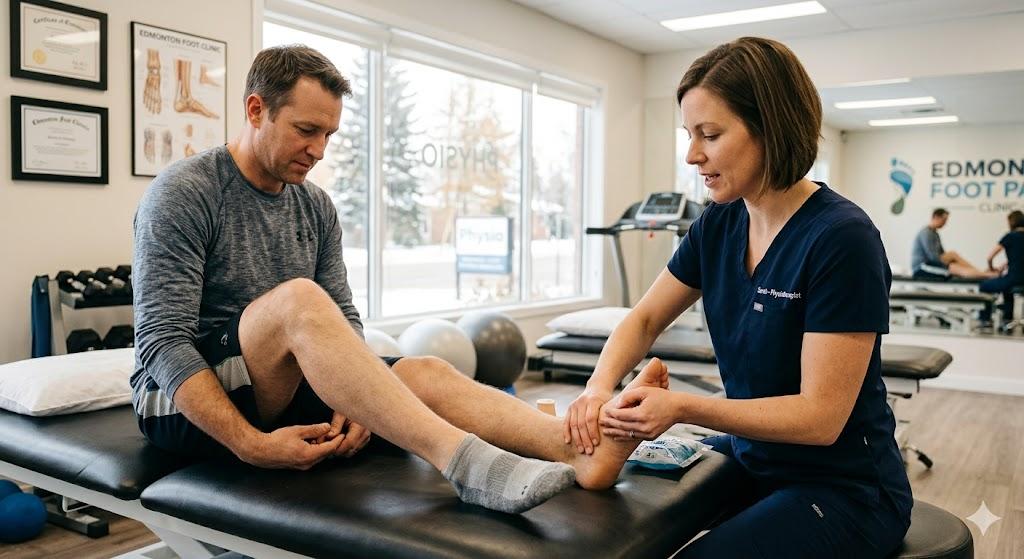
Foot pain can affect nearly every part of daily life. From getting out of bed in the morning to walking through work, exercise, or household activities, discomfort in the feet can make simple movements feel challenging. Some people experience soreness after standing for long hours, while others notice pain during walking, running, or climbing stairs. No matter how it begins, ongoing foot discomfort can affect mobility, posture, and overall comfort.
Foot Pain Physiotherapy Edmonton focuses on identifying movement-related causes of foot discomfort and helping patients improve mobility, strength, and function through personalised physiotherapy care. Since the feet support the body with every step, even small movement limitations may affect the ankles, knees, hips, and lower back over time.
At Granville Physiotherapy, physiotherapy programs are designed to support individuals experiencing foot pain related to daily activities, sports, workplace demands, or repetitive strain. Treatment plans are adjusted to each person’s comfort level, mobility goals, and lifestyle needs.
Understanding the Causes of Foot Pain
The feet contain multiple joints, muscles, tendons, and ligaments that work together to support movement and balance. Because they absorb pressure throughout the day, they can sometimes become irritated from overuse, poor footwear, sudden increases in activity, or movement imbalances.
Foot pain may develop gradually or appear after a specific activity or injury. Common conditions that may contribute to discomfort include plantar fasciitis, Achilles tendon irritation, flat feet, heel pain, arch strain, joint stiffness, and sports-related injuries. Some individuals may also experience discomfort linked to standing for long periods at work or changes in walking mechanics.
Physiotherapy aims to assess how the feet move during walking, standing, and activity to better understand the factors contributing to discomfort.
Why Foot Pain Should Not Be Ignored
Many people try to manage foot pain by simply reducing activity or changing shoes temporarily. While rest may help in some situations, unresolved movement issues can sometimes continue affecting daily function.
Pain in the feet may alter walking patterns without people realising it. Over time, this may place additional stress on the ankles, knees, hips, and lower back. Some individuals begin compensating by shifting weight unevenly, which may lead to further discomfort elsewhere in the body.
Seeking physiotherapy support early may help identify movement restrictions and improve overall mobility before symptoms begin interfering with routine activities.
How Physiotherapy Supports Foot Pain Recovery
Physiotherapy for foot pain focuses on improving mobility, strength, flexibility, and movement patterns. Treatment plans are based on the individual’s symptoms, activity level, and lifestyle demands.
At Granville Physiotherapy Edmonton, physiotherapists may begin with a detailed assessment of posture, walking mechanics, balance, joint mobility, and muscle function. Understanding how the body moves as a whole is an important part of addressing foot-related discomfort.
Treatment may include:
- Stretching and mobility exercises
- Strengthening programs for the feet and lower legs
- Manual therapy techniques
- Balance and stability training
- Gait assessment and walking retraining
- Education on footwear and activity modification
These approaches are selected carefully based on the patient’s condition and tolerance for activity.
Managing Heel Pain and Plantar Fascia Discomfort
Heel pain is one of the more common reasons people seek physiotherapy for foot discomfort. Some individuals notice sharp pain during the first steps in the morning, while others feel soreness after long periods of standing or walking.
Plantar fascia irritation can sometimes contribute to heel discomfort when the connective tissue along the bottom of the foot becomes strained. Physiotherapy may focus on reducing tension, improving flexibility, strengthening supporting muscles, and correcting movement patterns that place added stress on the foot.
Recovery often involves gradual improvements rather than quick fixes, especially when symptoms have been present for an extended period.
Supporting Active Individuals and Athletes
Athletes and active adults place repeated stress on their feet during running, jumping, training, and recreational activities. Without proper recovery or movement control, repetitive strain may contribute to discomfort over time.
Sports-related foot pain may affect runners, gym participants, hikers, dancers, and individuals involved in high-impact activities. Physiotherapy programs may include strength training, balance exercises, mobility work, and gradual return-to-activity planning to support safer movement during recovery.
Addressing movement mechanics may also help reduce strain during physical activity and improve overall comfort during exercise.
The Connection Between Footwear and Movement
Footwear can influence how pressure is distributed through the feet during walking and standing. Shoes that lack support or no longer fit properly may contribute to discomfort for some individuals.
Physiotherapists may provide education regarding footwear choices based on activity level, work demands, and walking mechanics. While supportive footwear alone may not resolve every issue, it can play a helpful role alongside physiotherapy exercises and movement-based rehabilitation.
Understanding how the feet interact with the ground is often an important part of long-term movement management.
Improving Balance and Daily Function
Foot discomfort does not only affect walking. It can also influence balance, coordination, and confidence during movement. Some individuals become hesitant to stay active because they fear worsening symptoms or losing stability.
Physiotherapy may include balance-focused exercises that help improve coordination and movement awareness. Functional rehabilitation often targets daily activities such as stair climbing, prolonged standing, walking outdoors, or returning to recreational routines.
The goal is to help individuals feel more comfortable moving throughout the day while gradually improving physical function.
Recovery Takes Time and Consistency
Foot pain recovery can vary depending on the condition, daily activity demands, and how long symptoms have been present. Some individuals experience gradual improvement within a few weeks, while others may require ongoing rehabilitation support.
Consistency with home exercises and physiotherapy appointments may help support long-term progress. Small improvements in walking comfort, flexibility, and movement confidence can make a noticeable difference in daily life over time.
Treatment plans are often adjusted as symptoms change and mobility improves.
Moving Forward With Better Foot Health
Foot pain can interfere with work, recreation, fitness, and overall comfort during everyday activities. Physiotherapy provides a patient-focused approach that may help individuals improve movement, manage discomfort, and regain confidence with walking and activity.
Foot Pain Physiotherapy Edmonton continues to support individuals dealing with heel pain, movement restrictions, sports-related injuries, and walking discomfort through personalised physiotherapy care. With guided rehabilitation and gradual progression, patients may work toward better mobility and daily function.
To learn more about available services or schedule an appointment, visit Granville Physiotherapy appointments.
FAQ Schema
What conditions can physiotherapy help with for foot pain?
Physiotherapy may support individuals experiencing plantar fasciitis, heel pain, Achilles tendon irritation, arch discomfort, sports injuries, walking difficulties, and movement-related foot pain.
How long does recovery from foot pain physiotherapy usually take?
Recovery timelines vary depending on the cause of the pain, activity level, and how long symptoms have been present. Some individuals notice gradual improvement within several weeks, while others may benefit from longer-term rehabilitation support.
Contact Details
WE ARE LOCATED AT:
Granville Physiotherapy Clinic
3010 Granville Drive NW
Edmonton, AB, T5T4V3
Phone: +(587) 400-2011
Fax: 780-249-1161
Email: info@granvillephysiotherapy.ca
Monday - Friday : 8:00am–8.00pm
Saturday : 9.00am–3:00pm
Sunday : Closed
#FootPainPhysiotherapyEdmonton #FootPainRelief #HeelPainPhysiotherapy #PlantarFasciitisSupport #EdmontonPhysiotherapy #SportsInjuryPhysiotherapy #MobilityCare #WalkingComfort #GranvillePhysiotherapy #PhysiotherapyEdmonton

 English
 Arabic
 French
 Spanish
 Portuguese
 Deutsch
 Dutch
Dutch
 Italiano
 Russian
 Romaian
 Portuguese (Brazil)
 Greek
Greek