

The Ultimate Guide to Scaling a Luxury Brand with Private Label Products
Building a brand from scratch used to require millions of dollars in research and development, custom manufacturing facilities, and years of trial and error. Today, the global supply chain offers a powerful shortcut: private label products.
By partnering with established manufacturers, entrepreneurs and scaling businesses can bypass the formulation phase and jump straight into brand building, marketing, and distribution. Whether you are looking to expand an existing product line or launch a high-end startup, understanding the nuances of private labeling is the key to unlocking massive profit margins and long-term brand equity.
What are Private Label Products?
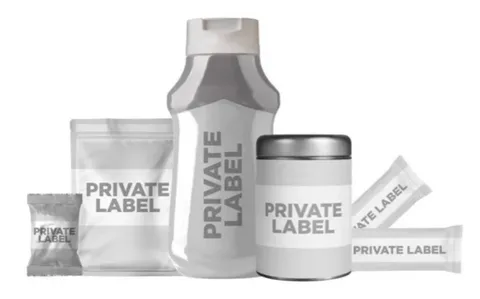
At its core, a private label product is manufactured by a third-party company but sold under a retailer’s brand name. As the brand owner, you specify everything from the packaging design and labeling to the final pricing structure. The manufacturer handles the complex chemistry, sourcing of raw materials, and initial quality control, while you retain exclusive rights to sell the product under your trademark.
Private Label vs. White Label: The Critical Difference
While often used interchangeably, these two business models have distinct structural differences that impact your brand's defensibility:
-
White Labeling: The manufacturer creates a generic product (like a basic lifestyle t-shirt or a generic dietary supplement) and sells it to dozens of different retailers. Each retailer slaps their logo on it. The product inside the box is identical across competing brands.
-
Private Labeling: This model allows for varying degrees of customization. You can tweak an existing premium formulation, request specific high-end ingredients, or design custom custom packaging shapes. This creates a unique product profile that your competitors cannot easily replicate.
The Strategic Advantages of Private Labeling
Choosing the private label route offers distinct strategic leverage points over traditional manufacturing or simple dropshipping.
1. Exponentially Higher Profit Margins
When you wholesale other brands' goods, your margins are capped by the manufacturer's suggested retail price (MSRP) and minimum advertised pricing (MAP) policies. With private labeling, you buy directly from the source. By cutting out the middleman, production costs drop significantly, allowing for gross margins often exceeding 70% to 80%, especially in luxury verticals like skincare and wellness.
2. Absolute Control Over Brand Identity
Every touchpoint of the unboxing experience belongs to you. From the weight of the glass bottle to the texture of the embossed outer box, private labeling lets you craft a cohesive, premium brand narrative. You control the narrative, the pricing, and the customer data.
3. Rapid Time-to-Market
Developing a custom product from the ground up can take 12 to 24 months due to stability testing, ingredient sourcing, and safety certifications. Reputable private label manufacturers already have stable, market-tested bases ready for production. This shrinks your launch timeline down to a matter of weeks.
Step-by-Step Framework to Launching a Private Label Brand
Launching a successful private label brand requires a systematic approach to market research and supplier vetting.
Step 1: Niche Selection and Market Viability
Do not try to compete with massive conglomerate brands on price. Instead, identify high-margin micro-niches where consumer loyalty is driven by efficacy and aesthetic values. Use search data, social listening tools, and e-commerce analytics to find product categories with steady demand but low visual presentation quality from existing sellers.
Step 2: Vetting the Perfect Manufacturing Partner
Your manufacturer is the backbone of your business. When vetting potential partners, look past the initial price-per-unit metric and evaluate their operational standards:
-
Certifications: Ensure they operate out of cGMP (Current Good Manufacturing Practice) compliant facilities. If you are entering the beauty or wellness space, ISO certifications and FDA registration are non-negotiable.
-
Minimum Order Quantities (MOQs): High MOQs can trap your capital in inventory. Look for premium partners that offer scalable tiers, allowing you to test the market with smaller batches before ordering thousands of units.
-
Turnaround Times: Inquire about lead times for both initial setup and reorders. A sudden surge in sales can kill a brand if the factory requires 16 weeks to replenish stock.
[Niche Selection] ➔ [Supplier Vetting & Certifications] ➔ [Sampling & Testing] ➔ [Brand Asset Design] ➔ [Launch]
Navigating Regulatory and Quality Standards
A beautiful label cannot save a brand from regulatory failures. Compliance must be built into your product development pipeline from day one.
Understanding Compliance Requirements
Depending on your product category, you must ensure your manufacturer adheres to strict regional legalities. In the United States, topical products must comply with the Federal Food, Drug, and Cosmetic Act, alongside the Modernization of Cosmetics Regulation Act (MoCRA). This requires meticulous ingredient listing, allergen declarations, and safety substantiation.
The Importance of Batch Testing
Every manufacturing run must be consistent. Ensure your partner provides a Certificate of Analysis (CoA) for every batch produced. This document verifies that the product is free from heavy metals, harmful microbial growth, and matches the exact ingredient specifications agreed upon in your contract.
Designing High-Converting Premium Packaging
In premium and luxury sectors, the package is the product during the initial purchase decision. Consumers actively judge the efficacy and value of a product by its physical weight and tactile feedback.
Material Selection Matters
Ditch lightweight, flimsy plastics if you are aiming for a luxury position. Opt for sustainable, high-density glass, PCR (Post-Consumer Recycled) materials, or heavy-walled components. Matte coatings, soft-touch finishes, and metallic hot-stamping instantly elevate a product from a generic item to an artisanal experience on a retail shelf or vanity.
Clear, Compliant Typography
Your typography needs to strike a balance between aesthetic minimalism and legal necessity. Ensure font weights are highly legible, and layout structures leave adequate room for mandatory net weight declarations, ingredient listings, and instructions for use.
Pricing Strategies for Maximizing Premium Product Sales
Pricing defines your brand position more than any marketing campaign ever can. A low price tag signals low quality to discerning consumers.
Gross Margin % = ((Retail Price - Cost of Goods Sold) / Retail Price) * 100
The Luxury Markup Model
For premium private label items, avoid cost-plus pricing (adding a flat percentage to your manufacturing cost). Instead, utilize value-based pricing. Evaluate what the top tier of the market is willing to pay for an exceptional experience. Aim for a retail price point that is at least 4x to 6x your Cost of Goods Sold (COGS). This gives you the financial cushion required to fund aggressive customer acquisition campaigns, influencer seeding, and premium content production.
Crafting a Content Marketing Engine for Your Brand
Once your products are rolling off the assembly line, your primary job shifts to visibility. An e-commerce site without a strategic content marketing framework is just a store in the middle of a desert.
SEO-Driven Top-of-Funnel Content
To attract organic traffic, build an editorial calendar focused on solving consumer problems rather than just pitching your products. For example, instead of writing an article titled "Buy Our Private Label Hyaluronic Acid Serum," focus on deep-educational content like "How to Correct Trans-Epidermal Water Loss in Dry Climates."
By answering complex, high-intent search queries, you establish your brand as an authority. You can then naturally weave your private label products into the educational narrative as the optimal solution.
Leveraging the Power of Micro-Influencers
Do not spend your entire budget on macro-celebrities. Instead, seed your premium products to micro-influencers (creators with 5,000 to 500,000 highly engaged followers) who align with your aesthetic. Focus on high-quality unboxing experiences, texture reveals, and authentic, long-term case studies to build social proof rapidly.
Overcoming Common Bottlenecks in Private Labeling
While highly lucrative, scaling a private label brand comes with operational hurdles that require proactive management.
Out-of-Stock Risk vs. Capital Stagnation
Managing cash flow while keeping items in stock is a delicate balancing act. If you scale too quickly, you run out of stock and lose your organic search rankings on Amazon or Google. If you buy too much inventory to prevent this, your cash is trapped on pallets in a warehouse.
The Solution: Build a rolling 12-month demand forecast and establish a "safety stock" buffer with your manufacturer. Ask if they can hold raw components or bulk un-poured formulas to cut assembly times in half when demand spikes.
Brand Copycats and IP Protection
The moment your product finds success, competitors will try to mimic your visual styling. Protect your business early by filing trademarks for your brand name, logo, and custom slogans. Additionally, sign comprehensive Non-Disclosure Agreements (NDAs) and Non-Compete Agreements with your manufacturing partners to ensure your proprietary customizations are never sold to a competitor.
Conclusion: Capitalizing on the Brand Ownership Shift
The barrier to entry for creating a world-class product line has never been lower, but the barrier to building a memorable brand remains exceptionally high. Private label products offer the foundational infrastructure required to build a sustainable, high-margin asset without getting bogged down by industrial manufacturing logistics.
By selecting the right cGMP-compliant manufacturing partner, investing heavily in custom brand design, and deploying a robust, SEO-driven content marketing strategy, you turn generic formulations into highly coveted luxury assets. The future belongs to those who own the brand identity and the customer relationship—private labeling is the most efficient vector to get you there.
Frequently Asked Questions
What are the best private label products to sell for high profit margins?
High-margin categories typically include items where buying decisions are emotionally driven or based on personal wellness. Skincare, custom cosmetics, dietary supplements, organic pet products, and premium lifestyle accessories consistently yield the highest margins, often between 75% and 85%.
Can I legally change the ingredients in a private label product?
Yes, depending on your manufacturer. True custom private labeling allows you to request modifications to an existing base formulation—such as adding a trending botanical extract, changing a fragrance profile, or removing specific synthetic preservatives to clean up the ingredient deck.
How much money do I need to start a private label brand?
Startup costs depend almost entirely on your manufacturer's Minimum Order Quantities (MOQs). While some low-end suppliers allow initial orders for $1,000, launching a premium brand with custom glass packaging, custom boxes, regulatory compliance testing, and an initial marketing budget typically requires an investment between $5,000 and $15,000.

 English
 Arabic
 Spanish
 Portuguese
 Deutsch
 Turkish
 Dutch
Dutch
 Italiano
 Russian
 Romaian
 Portuguese (Brazil)
 Greek
Greek