

First-Time Trade Show Exhibitor Tips That Actually Work for Maximizing Brand Visibility
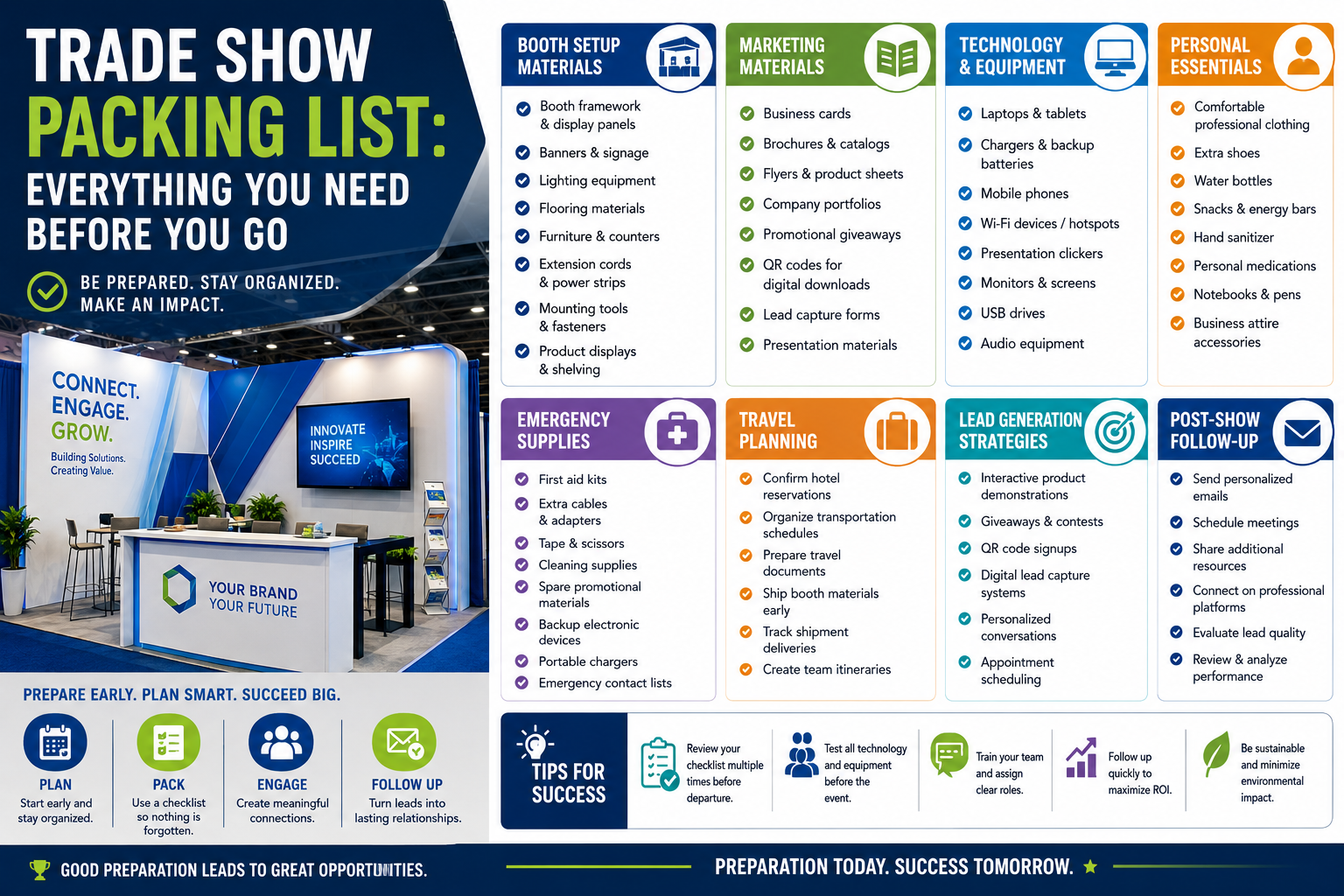
Trade shows provide businesses with a valuable opportunity to showcase products, connect with industry professionals, and generate qualified leads in a highly competitive environment. For first-time exhibitors, however, the process can feel overwhelming without proper planning and execution. Many companies struggle with booth setup, audience engagement, and lead generation simply because they are unfamiliar with exhibition strategies. Following First-Time Trade Show Exhibitor Tips That Actually Work can help businesses avoid common mistakes and create a more productive trade show experience. From selecting the right booth layout to managing post-event follow-up, a strategic approach can turn your first exhibition into a successful investment that supports long-term business growth.
Why Trade Shows Are Important for Business Growth
Trade shows continue to play a major role in modern marketing because they allow businesses to interact directly with potential customers. Unlike online advertising, exhibitions create opportunities for face-to-face communication, live product demonstrations, and real-time customer feedback.
Trade shows help businesses:
-
Increase brand awareness
-
Build customer trust
-
Generate quality leads
-
Launch products
-
Network with professionals
-
Study competitors
-
Strengthen industry presence
For first-time exhibitors, participating in a well-organized trade show can create long-lasting business opportunities and valuable industry connections.
Set Clear Objectives Before the Event
One of the most important steps in preparing for a trade show is setting realistic and measurable goals. Without clear objectives, it becomes difficult to evaluate success or create an effective exhibition strategy.
Your goals may include:
-
Increasing booth traffic
-
Collecting qualified leads
-
Booking future meetings
-
Promoting a new service
-
Growing brand recognition
-
Expanding into new markets
Having defined goals allows your team to focus on specific outcomes and improve overall event performance.
Choose the Right Trade Show for Your Industry
Not every trade show will provide the same value for your business. Researching and selecting the right event is essential for maximizing return on investment.
Important factors to consider include:
-
Industry relevance
-
Audience demographics
-
Event reputation
-
Expected attendance
-
Competitor participation
-
Sponsorship opportunities
A targeted event with a relevant audience often delivers stronger results than a large exhibition with a broader focus.
Invest in Professional Booth Design
Your booth is often the first impression attendees have of your business. A visually attractive and organized booth can significantly increase visitor engagement.
An effective booth should feature:
-
Clear brand messaging
-
Eye-catching graphics
-
Good lighting
-
Interactive elements
-
Organized product displays
-
Comfortable meeting areas
Avoid overcrowding your booth with excessive decorations or too much text. Simplicity and clarity help attendees understand your message quickly.
Use Strong Branding Throughout the Booth
Consistent branding helps visitors recognize and remember your company more easily. Every element of your booth should align with your brand identity.
Branding should include:
-
Company colors
-
Professional logos
-
Consistent typography
-
Branded banners
-
Matching promotional materials
Strong branding improves professionalism and reinforces your business identity during the event.
Train Your Booth Staff Before the Show
Booth staff play a critical role in trade show success. Even a beautifully designed booth may fail to attract leads if team members are unprepared or disengaged.
Staff training should focus on:
-
Product knowledge
-
Communication skills
-
Lead qualification
-
Customer engagement
-
Brand messaging
-
Problem-solving techniques
Encourage staff to remain approachable, energetic, and professional throughout the exhibition.
Prepare a Memorable Elevator Pitch
Trade show attendees often have limited time, making concise communication extremely important.
Your elevator pitch should explain:
-
Who you are
-
What your company offers
-
What problem you solve
-
Why your solution is unique
A strong pitch helps capture attention quickly and encourages further conversation.
Promote Your Presence Before the Event
Pre-show marketing is one of the most overlooked aspects of trade show preparation. Promoting your participation before the event increases booth traffic and audience awareness.
Effective pre-show marketing strategies include:
-
Email invitations
-
Social media campaigns
-
LinkedIn posts
-
Website announcements
-
Event landing pages
-
Press releases
Inviting clients and prospects before the event helps create stronger networking opportunities.
Make Your Booth Interactive
Interactive experiences help attract visitors and keep them engaged longer. People are more likely to remember brands that provide hands-on experiences rather than passive displays.
Interactive booth ideas include:
-
Product demonstrations
-
Touchscreen presentations
-
Virtual reality experiences
-
Live workshops
-
Contest games
-
Product testing stations
Interactive activities improve audience participation and create memorable brand experiences.
Use High-Quality Marketing Materials
Trade show attendees often collect brochures and catalogs to review after the event. Professional marketing materials help reinforce your message even after the exhibition ends.
Useful materials include:
-
Brochures
-
Flyers
-
Product catalogs
-
Business cards
-
Promotional handouts
Ensure all materials:
-
Match your branding
-
Highlight benefits clearly
-
Include contact details
-
Use professional visuals
Concise and visually appealing content is usually more effective than lengthy text.
Offer Practical Promotional Giveaways
Promotional giveaways can increase brand visibility and encourage booth visits when chosen carefully.
Popular giveaway ideas include:
-
Reusable water bottles
-
Tote bags
-
Phone accessories
-
USB drives
-
Notebooks
-
Eco-friendly products
Useful and high-quality items create a more positive impression of your company.
Use Technology to Enhance Booth Engagement
Technology can modernize your trade show presentation and improve visitor interaction.
Helpful tools include:
-
Lead capture apps
-
QR code scanners
-
Digital catalogs
-
Interactive displays
-
Product videos
-
Live presentations
Technology also helps streamline lead collection and improve booth efficiency.
Focus on Building Relationships
Many first-time exhibitors focus too heavily on selling products immediately. However, trade shows are more effective when used for relationship building.
Successful conversations involve:
-
Asking questions
-
Listening carefully
-
Understanding customer needs
-
Providing useful insights
-
Offering solutions naturally
Strong relationships often lead to long-term business opportunities and customer loyalty.
Organize Lead Collection Efficiently
Lead collection is one of the most important parts of trade show participation. Without proper organization, valuable opportunities can be lost.
Lead collection methods may include:
-
Badge scanning
-
Digital forms
-
Mobile apps
-
Business card collection
-
CRM integration
Categorizing leads based on interest level helps prioritize follow-up efforts after the event.
Stay Active on Social Media During the Show
Social media helps extend your reach beyond the exhibition floor and increases online engagement.
Share content such as:
-
Booth photos
-
Product demonstrations
-
Team updates
-
Event highlights
-
Customer interactions
-
Behind-the-scenes moments
Using official event hashtags can improve visibility and attract more booth visitors.
Understand the Importance of Booth Location
Booth placement has a major impact on foot traffic and visibility.
High-performing locations often include:
-
Main entrances
-
Central aisles
-
Near seminar stages
-
Adjacent to major exhibitors
-
Near networking zones
While premium locations may cost more, they often improve visitor engagement significantly.
Prepare for Unexpected Challenges
Trade shows can involve unexpected issues such as delayed shipments, internet failures, or technical problems.
Prepare backup plans for:
-
Equipment malfunctions
-
Missing supplies
-
Staffing issues
-
Technology failures
-
Presentation interruptions
Preparation helps reduce stress and maintain professionalism during the event.
Learn from Competitors
Trade shows provide valuable opportunities to study competitors and understand market trends.
Observe:
-
Booth layouts
-
Marketing messages
-
Visitor engagement techniques
-
Product displays
-
Branding strategies
Competitor analysis can help improve your future exhibition planning.
Follow Up Quickly After the Event
Many exhibitors lose leads because they delay post-show communication. Following up promptly improves conversion opportunities significantly.
Effective follow-up strategies include:
-
Personalized thank-you emails
-
Product information
-
Meeting requests
-
Phone calls
-
Social media connections
Timely follow-up keeps your brand fresh in attendees’ minds.
Measure Your Trade Show Success
Evaluating your performance helps determine whether your trade show investment achieved its goals.
Track metrics such as:
-
Leads generated
-
Booth traffic
-
Customer meetings
-
Social media engagement
-
Sales opportunities
-
Revenue potential
Performance analysis helps identify strengths and improve future strategies.
Build Long-Term Industry Relationships
Trade shows should be viewed as opportunities to create lasting professional relationships rather than only immediate sales.
Long-term relationship building involves:
-
Maintaining communication
-
Offering value consistently
-
Understanding customer challenges
-
Following up professionally
Strong industry relationships often lead to future partnerships and repeat business.
Common Mistakes First-Time Exhibitors Should Avoid
Many first-time exhibitors make avoidable mistakes that reduce event effectiveness.
Common mistakes include:
-
Weak booth design
-
Poor staff training
-
Lack of pre-show marketing
-
Ignoring follow-up
-
Overcrowded displays
-
Aggressive sales tactics
Avoiding these issues can significantly improve your trade show experience.
Final Thoughts
Participating in a trade show for the first time can become a major turning point for your business when approached strategically. From booth design and audience engagement to networking and lead management, every aspect contributes to overall success. Businesses that focus on preparation, professionalism, and meaningful interactions often generate stronger visibility and better long-term results. By following proven exhibition strategies, first-time exhibitors can avoid common mistakes and create memorable experiences for attendees. To prepare more effectively for your next event, explore these First-Time Trade Show Exhibitor Tips That Actually Work and build a trade show strategy designed for measurable business growth.

 English
 Arabic
 French
 Spanish
 Deutsch
 Turkish
 Dutch
Dutch
 Italiano
 Russian
 Romaian
 Portuguese (Brazil)
 Greek
Greek