

Medical Instruments Manufacturer in USA Complete Industry Guide
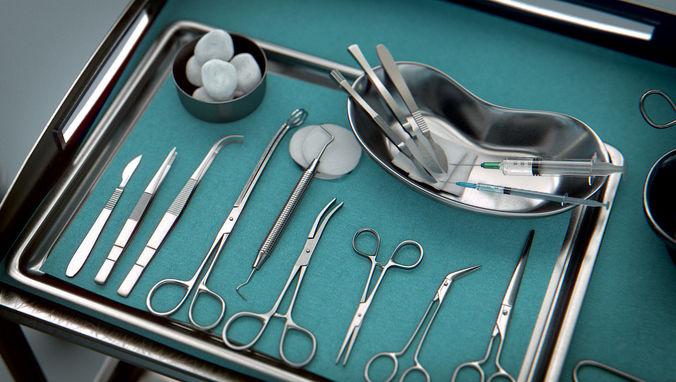
The healthcare industry depends on reliable medical tools every day. Hospitals, laboratories, surgical centers, and clinics use advanced equipment to diagnose diseases, perform procedures, and improve patient care. Behind these essential products stands the medical instruments manufacturer industry.
A medical instruments manufacturer in the USA produces healthcare equipment that supports medical professionals across different specialties. These manufacturers follow strict quality standards and advanced production methods to ensure safety, accuracy, and durability.
What Is a Medical Instruments Manufacturer?
A medical instruments manufacturer develops and produces tools used in healthcare settings. These products support diagnosis, treatment, monitoring, surgery, rehabilitation, and laboratory testing.
Manufacturers may focus on one category of equipment or produce a broad range of healthcare devices.
Types of Medical Instruments
Medical instrument manufacturers in the USA produce many types of healthcare equipment, including:
-
Surgical instruments
-
Diagnostic devices
-
Laboratory equipment
-
Monitoring systems
-
Dental tools
-
Orthopedic instruments
-
Disposable medical supplies
-
Imaging equipment
Each product category serves a different purpose within healthcare environments.
Importance of Medical Instruments
Medical instruments help healthcare professionals perform procedures safely and efficiently. Accurate devices improve diagnosis, reduce medical risks, and support better patient outcomes.
Reliable medical equipment also improves workflow in hospitals and clinics. Healthcare providers depend on quality instruments for daily operations.
Medical Device Manufacturing Industry in USA
The USA has one of the largest medical device markets in the world. The country is known for advanced healthcare technology, skilled manufacturing, and strict safety standards.
The industry continues to expand due to growing healthcare demand and ongoing innovation.
Key Factors Driving Industry Growth
Several factors contribute to the growth of medical manufacturing in the USA:
-
Aging population
-
Rising healthcare spending
-
Increased use of diagnostic equipment
-
Growth in outpatient healthcare services
-
Demand for minimally invasive procedures
-
Technological advancements
Healthcare facilities continue investing in advanced medical tools to improve patient care and operational efficiency.
Leading Manufacturing Regions
Medical instrument manufacturing companies operate across many states in the USA. Some major manufacturing hubs include:
-
California
-
Texas
-
Florida
-
Minnesota
-
Massachusetts
-
Pennsylvania
These regions offer strong industrial infrastructure, skilled labor, and healthcare networks.
Common Categories of Medical Instruments
Medical equipment manufacturers produce devices for different medical applications.
Surgical Instruments
Surgical instruments are essential for medical procedures and operations. These tools must deliver precision, durability, and hygiene.
Examples of Surgical Instruments
Common surgical tools include:
-
Forceps
-
Surgical scissors
-
Scalpels
-
Retractors
-
Clamps
-
Needle holders
Manufacturers use corrosion-resistant materials to maintain long-term performance and sterilization compatibility.
Importance of Precision Manufacturing
Even small defects in surgical instruments can affect medical procedures. Precision engineering helps ensure consistent quality and safe usage.
Manufacturers use advanced machinery and inspection systems to maintain accuracy.
Diagnostic Medical Equipment
Diagnostic devices help healthcare providers identify diseases and monitor patient health conditions.
Common Diagnostic Devices
Examples include:
-
Blood pressure monitors
-
ECG machines
-
Ultrasound systems
-
X-ray equipment
-
Thermometers
-
Pulse oximeters
These devices help doctors make informed treatment decisions.
Growing Demand for Diagnostic Tools
Preventive healthcare and early disease detection continue driving demand for diagnostic equipment in the USA.
Portable and digital diagnostic devices are becoming more popular due to convenience and faster results.
Laboratory Equipment Manufacturing
Laboratories require reliable equipment for testing, analysis, and research.
Common Laboratory Instruments
Manufacturers produce various laboratory devices, such as:
-
Microscopes
-
Centrifuges
-
Pipettes
-
Test analyzers
-
Sterilization equipment
Accurate laboratory equipment helps maintain reliable testing standards.
Role in Healthcare
Laboratory instruments support disease detection, medical research, and pharmaceutical development.
High-quality lab devices improve testing accuracy and operational efficiency.
Materials Used in Medical Instruments
The materials used in medical device manufacturing directly affect durability, hygiene, and performance.
Stainless Steel
Stainless steel remains one of the most widely used materials in medical manufacturing.
Benefits of Stainless Steel
-
Corrosion resistance
-
Easy sterilization
-
High durability
-
Long lifespan
Surgical instruments commonly use stainless steel due to its strength and reliability.
Titanium
Titanium offers excellent strength while remaining lightweight.
Applications of Titanium
Manufacturers often use titanium for:
-
Surgical implants
-
Orthopedic devices
-
Specialized surgical tools
Titanium also provides excellent biocompatibility for medical applications.
Medical-Grade Plastics
Medical-grade plastics support lightweight and disposable medical products.
Common Uses
These plastics are used for:
-
Syringes
-
Tubing
-
Disposable gloves
-
Packaging materials
Disposable products help reduce contamination risks in healthcare settings.
Quality Standards in Medical Instrument Manufacturing
Medical equipment manufacturers in the USA must follow strict safety and quality regulations.
FDA Regulations
The U.S. Food and Drug Administration regulates medical devices sold in the country.
FDA Requirements
Manufacturers must follow regulations related to:
-
Product safety
-
Manufacturing practices
-
Clinical testing
-
Product labeling
-
Quality management
FDA compliance helps protect patients and healthcare providers.
ISO Certifications
Many medical manufacturers follow international quality standards.
ISO 13485 Certification
ISO 13485 focuses on quality management systems for medical device manufacturing.
This certification helps companies maintain product consistency and process control.
Product Testing and Inspection
Manufacturers perform multiple tests before products reach the market.
Common Testing Procedures
Testing may include:
-
Sterility testing
-
Durability evaluation
-
Performance analysis
-
Material inspection
-
Safety validation
These procedures help reduce product defects and ensure compliance.
Technology in Medical Instrument Manufacturing
Technology continues transforming the medical manufacturing industry.
Automation and Robotics
Manufacturers increasingly use automated systems during production.
Benefits of Automation
-
Improved accuracy
-
Faster production
-
Reduced human error
-
Better consistency
Robotics also support precision assembly for complex medical devices.
3D Printing Technology
3D printing allows manufacturers to create custom medical components with high precision.
Uses of 3D Printing
Applications include:
-
Surgical models
-
Prosthetics
-
Custom implants
-
Device prototypes
This technology supports faster product development and personalization.
Artificial Intelligence in Manufacturing
Artificial intelligence improves quality control and production monitoring.
AI systems help manufacturers identify defects and optimize manufacturing efficiency.
Challenges Facing Medical Manufacturers
Despite industry growth, manufacturers face several operational challenges.
Regulatory Compliance Challenges
Healthcare regulations continue evolving. Manufacturers must regularly update documentation and processes to remain compliant.
Compliance management often requires significant resources and expertise.
Supply Chain Disruptions
Global supply chain issues can affect raw material availability and production schedules.
Manufacturers work to improve inventory planning and supplier diversification.
Rising Manufacturing Costs
Advanced technology, skilled labor, and strict quality standards increase production expenses.
Companies continue searching for efficient manufacturing strategies to manage costs.
Future of Medical Instrument Manufacturing in USA
The future of medical manufacturing in the USA looks highly innovative and technology-focused.
Smart Medical Devices
Connected medical devices continue growing in popularity.
Examples of Smart Devices
-
Wearable health monitors
-
Remote patient monitoring systems
-
Smart diagnostic equipment
These technologies support real-time healthcare monitoring.
Sustainable Manufacturing Practices
Manufacturers are increasingly adopting environmentally responsible production methods.
Sustainability Efforts
-
Waste reduction
-
Energy-efficient production
-
Recyclable packaging
-
Eco-friendly materials
Sustainable manufacturing helps reduce environmental impact.
Personalized Medical Devices
Customized healthcare equipment is becoming more common.
Manufacturers use digital design and advanced production methods to create patient-specific devices that improve comfort and treatment accuracy.
FAQs
What is a medical instruments manufacturer?
A medical instruments manufacturer produces healthcare equipment used for diagnosis, surgery, treatment, monitoring, and laboratory testing.
Why is the USA important in medical device manufacturing?
The USA has advanced healthcare infrastructure, strong regulations, skilled labor, and high investment in medical technology.
What materials are commonly used in medical instruments?
Manufacturers commonly use stainless steel, titanium, and medical-grade plastics due to their durability and hygiene properties.
What are examples of medical instruments?
Examples include scalpels, forceps, ECG machines, ultrasound systems, microscopes, and blood pressure monitors.
Summary
A medical instruments manufacturer in the USA plays a critical role in healthcare quality and patient safety. These companies produce essential equipment used in hospitals, laboratories, clinics, and surgical centers every day.
The industry continues evolving through advanced technology, automation, and healthcare innovation. Strict quality standards, FDA regulations, and precision manufacturing help ensure reliable medical products.

 English
 Arabic
 French
 Spanish
 Portuguese
 Deutsch
 Turkish
 Dutch
Dutch
 Italiano
 Russian
 Portuguese (Brazil)
 Greek
Greek