Aesthetic rejuvenation has evolved into a highly specialized field where patients can choose from multiple advanced options depending on their goals, skin condition, and desired longevity of results. Among the most discussed approaches are regenerative volume restoration techniques and energy-based resurfacing solutions. In this context, Fat Transfer Surgery in Dubai represents a structural enhancement method that restores lost volume using the body’s own tissue, while laser-based treatments focus primarily on surface-level improvement and collagen stimulation. Although both aim to enhance appearance, their mechanisms, depth of action, and outcomes differ significantly, making it essential to understand how each works before deciding on a treatment path.
How Fat Transfer Surgery Works
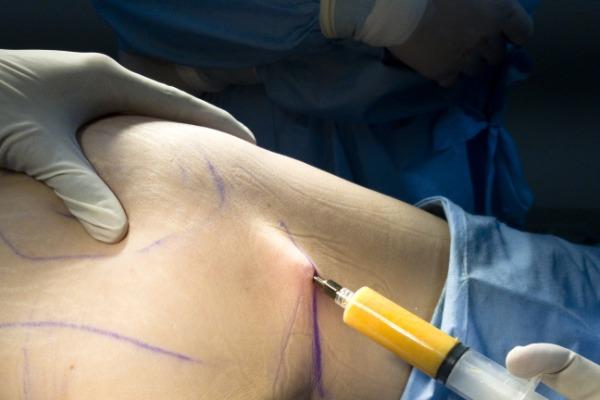
Fat transfer is a regenerative process that involves relocating fat from one area of the body to another where volume has diminished or aesthetic enhancement is desired. The harvested fat is carefully processed and then strategically injected into targeted areas to restore fullness and improve contour. Since the material used is autologous, meaning it originates from the patient’s own body, it integrates naturally with surrounding tissues.
This approach is particularly valued for its ability to provide structural correction rather than just surface improvement. It addresses volume loss in areas such as the face, hands, or body contours, offering a more youthful and balanced appearance. Over time, a portion of the transferred fat establishes a blood supply, allowing it to behave like natural tissue, which contributes to longer-lasting results compared to temporary cosmetic solutions.
How Laser Treatments Work for Rejuvenation
Laser treatments function by delivering controlled energy into the skin layers, triggering a wound-healing response that stimulates collagen and elastin production. This process gradually improves skin texture, reduces pigmentation irregularities, and softens fine lines. Unlike volume restoration techniques, lasers primarily target the skin’s surface and mid-dermal layers.
Different laser technologies are designed for varying depths and intensities, allowing customization based on skin concerns. Some focus on resurfacing damaged outer layers, while others penetrate deeper to promote tightening effects. The results are progressive, often appearing over several weeks as the skin rebuilds its structural proteins. However, laser treatments do not replace lost volume, which is a key distinction when comparing them with regenerative fat-based procedures.
Treatment Goals and Ideal Candidates
The suitability of each approach depends heavily on the individual’s aesthetic goals. Fat-based procedures are typically preferred by individuals experiencing noticeable volume depletion, facial hollowing, or contour imbalance. These concerns are structural in nature and require restoration rather than surface refinement.
Laser treatments, on the other hand, are ideal for individuals primarily concerned with skin texture, tone irregularities, sun damage, or early signs of aging. They are often selected for improving skin quality rather than reshaping facial or body contours.
Understanding these differences ensures that expectations remain realistic and aligned with the treatment’s capabilities. While both approaches contribute to facial rejuvenation, they address entirely different layers of aging.
Key Differences in Results and Longevity
One of the most significant distinctions lies in the longevity of outcomes. Fat-based regenerative procedures tend to offer longer-lasting results because the transferred tissue integrates into the body’s existing fat structure. Once stabilized, it behaves like natural tissue, contributing to sustained volume enhancement.
Laser treatments deliver results that depend on ongoing collagen activity within the skin. While improvements in texture and tone can be noticeable, they may require maintenance sessions over time to preserve optimal results. This difference makes each option suitable for different long-term aesthetic strategies.
Another key contrast is the nature of visible improvement. Volume restoration produces immediate structural changes, whereas laser treatments offer gradual refinement that becomes more apparent as skin regeneration progresses.
Recovery and Downtime Comparison
Recovery experiences also vary significantly between these two approaches. Fat-based procedures involve a healing period where both the donor and treated areas require time to settle. Mild swelling and adjustment in contour are common during the early stages, and results refine progressively as the body adapts.
Laser treatments generally involve shorter downtime, depending on the intensity used. Some individuals may experience temporary redness, sensitivity, or mild peeling as the skin renews itself. Because these treatments focus on surface remodeling rather than structural alteration, recovery tends to be less intensive overall.
The choice between the two often depends on how much downtime an individual is willing to accommodate and how quickly they expect to resume normal activities.
Safety Profiles and Risk Considerations
Both approaches are considered safe when performed appropriately, but their risk profiles differ based on technique and depth of intervention. Fat-based regenerative methods involve a more invasive process due to tissue harvesting and reinjection, requiring careful precision to ensure balanced and natural integration.
Laser-based treatments are non-surgical but still require controlled application to avoid skin irritation or uneven results. Proper calibration of energy levels is essential to achieve consistent outcomes without compromising skin integrity.
In both cases, patient selection, technique accuracy, and aftercare play crucial roles in minimizing risks and optimizing results.
Choosing Between the Two Approaches
Deciding between structural volume restoration and surface-level skin refinement depends on identifying the primary concern. If the issue is loss of facial fullness, hollowing, or contour imbalance, regenerative fat-based methods are more suitable. If the concern lies in pigmentation, fine lines, or uneven texture, laser treatments offer a more targeted solution.
In some cases, individuals may benefit from a staged approach where both methods are used strategically at different times. This allows comprehensive rejuvenation by addressing both volume and skin quality separately.
Combination Approaches in Modern Aesthetics
Modern aesthetic strategies often integrate multiple modalities to achieve balanced results. Structural restoration techniques can be combined with energy-based skin treatments to enhance overall facial harmony. This layered approach ensures that both deep and superficial signs of aging are addressed effectively.
By combining regenerative and resurfacing technologies, practitioners can achieve more refined outcomes that neither approach could deliver alone. This reflects a broader shift in aesthetics toward customized treatment planning rather than single-method solutions.
Book Us
For individuals exploring advanced aesthetic solutions, understanding how Fat Transfer Surgery fits into a broader rejuvenation plan is essential when comparing it with laser-based skin treatments. A tailored assessment ensures that the chosen approach aligns with structural needs, skin condition, and long-term expectations. Enfield Royal Clinic Dubai provides a structured approach to aesthetic planning, helping individuals navigate these options with clarity and precision while focusing on natural-looking outcomes and balanced facial harmony.



 English
 Arabic
 French
 Spanish
 Portuguese
 Turkish
 Dutch
Dutch
 Italiano
 Russian
 Romaian
 Portuguese (Brazil)
 Greek
Greek