

Global Resistant Starch Market: Size, Trends, Growth, and Strategic Outlook
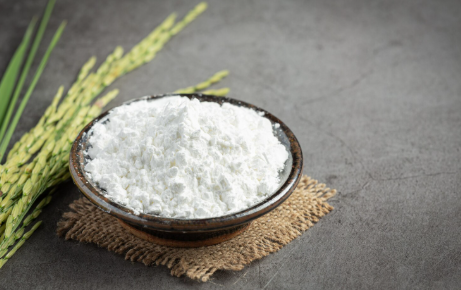
The Resistant Starch market is witnessing robust expansion fueled by increasing demand for functional food ingredients and innovations in food processing technologies. Growing consumer awareness toward digestive health and metabolic wellness has significantly influenced the market dynamics, attracting investments and driving competitive activities.
Market Size and Overview
The global resistant starch market is estimated to be valued at USD 8.84 Bn in 2026 and is expected to reach USD 14.66 Bn by 2033, exhibiting a compound annual growth rate (CAGR) of 7.5% from 2026 to 2033.
This significant industry size growth underscores expanding applications across food, pharmaceutical, and animal feed sectors. Resistant Starch Market Insights reveal that evolving consumer preferences for clean-label and health-promoting ingredients are broadening the market scope, contributing to the accelerating market revenue and industry share globally.
Market Drivers
- Rising Demand for Digestive Health Ingredients: One of the primary market drivers shaping the resistant starch market growth is the increasing consumer focus on digestive health and gut microbiome balance. For instance, in 2025, food manufacturers incorporated resistant starch extensively in snacks and bakery products to boost fiber content without compromising taste, leveraging its prebiotic benefits. This trend has created lucrative market opportunities for manufacturers and propelled market revenue. Additionally, research from 2024 highlighted that 65% of consumers prefer functional foods that aid digestion, intensifying the demand for resistant starch as a natural ingredient.
PEST Analysis
- Political: Governments in regions like Europe and North America introduced stricter regulations in 2024 promoting clean-label and fiber-rich food products, positively influencing market players to increase resistant starch incorporation compliant with food safety policies.
- Economic: Post-pandemic economic recovery in 2025 led to increased consumer spending on health-conscious products, fueling market growth strategies among food and nutrition companies. Emerging economies are showing heightened investment in functional ingredients manufacturing, expanding industry size and market share.
- Social: In 2024 and 2025, consumer lifestyle shifts toward preventive healthcare and plant-based diets boosted the resistant starch market demand, particularly among millennials and Gen Z demographics focused on wellness trends. This social factor directly impacts market dynamics favoring fiber-enriched food trends.
- Technological: Advancements in starch modification techniques, such as enzymatic treatments and clean-label processes developed and commercialized in 2025, enhanced product functionality and shelf life, further propelling market revenue and creating new market segments within the resistant starch market.
Promotion and Marketing Initiative
In 2024, a leading market player launched an extensive digital marketing campaign highlighting the scientific benefits of resistant starch in promoting gut health. This initiative involved partnerships with nutritionists for webinars and influencer collaborations on social media, which increased consumer engagement by 40% and resulted in a 15% sales uplift within six months. Such targeted marketing strategies are crucial in educating consumers, improving brand visibility, and strengthening market position amid intensifying competition.
Key Players
Notable market companies significantly contributing to the resistant starch industry include:
- Tate & Lyle
- Ingredion
- Arcadia Biosciences
- Emsland Group
- MGP Ingredients
- ADM
- Cargill, Inc.
- Roquette Freres
- Lodaat Pharmaceuticals
- MSP Starch Products
- The Potato Starch Company
- E.I. du Pont de Nemours and Company
- Cargill Health & Nutrition
- Tereos Group
Recent strategies from these market players include:
- In 2025, Tate & Lyle expanded its resistant starch production capacity in North America, achieving a 20% increase in market revenue.
- Ingredion introduced a new line of clean-label resistant starch ingredients, which gained traction in the bakery segment by early 2025, capitalizing on the market trends favoring natural food additives.
- Cargill, Inc. formed strategic partnerships with leading food manufacturers in 2024 to co-develop innovative functional foods incorporating resistant starch, resulting in broader market penetration and enhanced market share.
FAQs
1. Who are the dominant players in the Resistant Starch market?
Dominant players include Tate & Lyle, Ingredion, Arcadia Biosciences, Emsland Group, and Cargill, Inc., known for their product innovation, capacity expansions, and strategic partnerships in 2024 and 2025.
2. What will be the size of the Resistant Starch market in the coming years?
The market is projected to grow from USD 8.84 billion in 2026 to USD 14.66 billion by 2033, with a CAGR of 7.5%, driven by increasing demand for dietary fiber and functional foods.
3. Which end-user industry has the largest growth opportunity?
The food and beverage segment, particularly bakery, snacks, and dairy products, offers the largest growth opportunities due to consumer trends toward healthier diets and functional nutrition.
4. How will market development trends evolve over the next five years?
Market trends will focus on clean-label products, technological advancement in starch modification, and integration of resistant starch in plant-based and keto-friendly products.
5. What is the nature of the competitive landscape and challenges in the Resistant Starch market?
The competitive landscape is characterized by consolidation, product innovation, and strategic partnerships. Challenges include raw material price volatility and regulatory complexities concerning novel ingredients.
6. What go-to-market strategies are commonly adopted in the Resistant Starch market?
Market companies frequently employ capacity expansions, digital marketing campaigns, influencer collaborations, and co-development partnerships with food manufacturers to drive market growth and revenue.
➣ Get more insights on: Resistant Starch Market
➣ Get this Report in Japanese Language: 耐性澱粉市場
➣ Get this Report in Korean Language: 저항성전분시장
➣ Read More Related Articles: Why ultra-processed foods are terrible for health?
About Author:
Ravina Pandya, Content Writer, has a strong foothold in the market research industry. She specializes in writing well-researched articles from different industries, including food and beverages, information and technology, healthcare, chemical and materials, etc.

 English
 Arabic
 French
 Spanish
 Deutsch
 Turkish
 Dutch
Dutch
 Italiano
 Russian
 Romaian
 Portuguese (Brazil)
 Greek
Greek