

Trade Show Planning Made Easy with the Right Packing Checklist
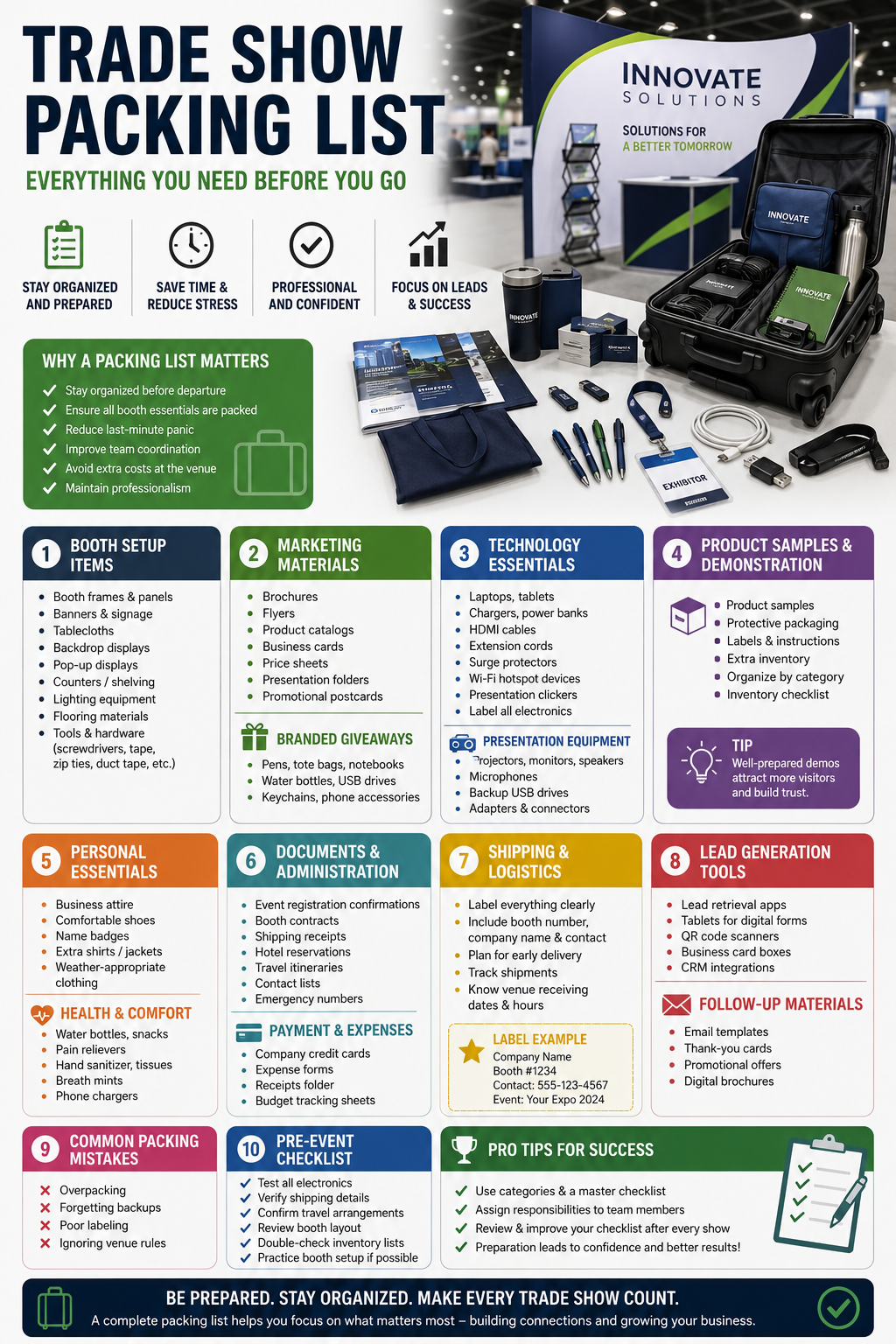
Trade shows offer businesses a valuable opportunity to showcase products, connect with potential customers, and build brand recognition in competitive industries. However, successful participation requires more than just a well-designed booth and strong marketing strategy. Proper preparation and organized packing are essential for ensuring a smooth event experience. That’s why using a complete Trade Show Packing List: Everything You Need Before You Go can help exhibitors avoid common mistakes, stay organized, and prepare for every aspect of the event. Whether you are attending a small local expo or a large international trade show, having a detailed checklist can make your entire experience far more productive and stress-free.
Why Trade Show Preparation Is So Important
Trade shows are busy and fast-paced events where small mistakes can quickly create major problems. Businesses often spend months preparing marketing materials, booth displays, product demonstrations, and travel arrangements. However, forgetting even one important item can disrupt setup, create unnecessary stress, and affect your team’s performance.
Imagine arriving at the venue and realizing you forgot extension cords, brochures, or demonstration materials. These problems can delay setup and negatively impact your professional image.
A well-organized trade show packing checklist helps businesses:
-
Stay organized before departure
-
Reduce setup delays
-
Avoid expensive last-minute purchases
-
Improve booth efficiency
-
Keep team members focused and prepared
-
Maintain professionalism throughout the event
The better your preparation process, the smoother your trade show experience will be.
Booth Setup Essentials Every Exhibitor Should Pack
Your booth serves as the center of your trade show presence, so every setup item should be packed carefully and inspected before travel.
Booth Display Components
Important booth materials may include:
-
Pop-up displays
-
Banner stands
-
Backdrop graphics
-
Table covers
-
Counters and podiums
-
Shelving units
-
Flooring materials
-
Lighting fixtures
Inspect booth components beforehand to ensure everything is complete and undamaged.
Setup Tools and Supplies
Basic tools can become extremely valuable during installation.
Important setup items include:
-
Screwdrivers
-
Allen wrenches
-
Zip ties
-
Velcro strips
-
Measuring tape
-
Duct tape
-
Utility knife
-
Scissors
Having these tools available can help solve unexpected setup problems quickly.
Marketing Materials That Support Your Brand
Trade shows are excellent opportunities to promote your business and generate new leads. Your marketing materials should clearly communicate your products, services, and brand identity.
Printed Promotional Materials
Bring enough printed materials for the entire duration of the event.
Examples include:
-
Business cards
-
Product brochures
-
Flyers
-
Company catalogs
-
Pricing sheets
-
Case studies
-
Presentation folders
Running out of promotional materials during a busy event can leave a poor impression on attendees.
Promotional Giveaway Items
Branded giveaways attract visitors and improve long-term brand recognition.
Popular giveaway items include:
-
Pens
-
Tote bags
-
Water bottles
-
USB drives
-
Notebooks
-
Phone accessories
-
Keychains
Choose useful items that attendees are likely to keep and use after the event.
Technology and Electronics You Should Never Forget
Technology plays an important role in most modern trade show booths. Forgetting critical equipment can disrupt presentations and lead generation efforts.
Essential Electronic Equipment
Your technology checklist should include:
-
Laptops
-
Tablets
-
Smartphones
-
Portable chargers
-
Power banks
-
HDMI cables
-
Adapters
-
Extension cords
-
Surge protectors
Clearly label cables and chargers to improve organization during setup.
Audiovisual Presentation Equipment
If your booth includes digital presentations or demonstrations, ensure all audiovisual tools are packed securely.
Examples include:
-
TV monitors
-
Projectors
-
Speakers
-
Microphones
-
Presentation clickers
-
Backup USB drives
Testing equipment before departure helps avoid technical problems during the event.
Product Samples and Demonstration Supplies
Businesses displaying products at trade shows should carefully organize and protect all product samples.
Product Display Preparation
Product displays should appear professional and easy to access.
Ensure samples are:
-
Clean and polished
-
Properly labeled
-
Securely packed
-
Organized by category
Damaged or poorly organized samples can negatively affect your company’s image.
Demonstration Materials
Live demonstrations often attract larger audiences and improve visitor engagement.
Helpful materials may include:
-
Display stands
-
Product instructions
-
Cleaning supplies
-
Extra samples
-
Demonstration accessories
Preparation helps ensure your presentations run smoothly throughout the event.
Personal Essentials for Your Team
Trade shows often involve long workdays, constant networking, and extensive walking. Personal preparation helps your team stay comfortable and productive.
Professional Clothing and Appearance
Your team’s appearance reflects your company’s professionalism.
Pack:
-
Business attire
-
Comfortable shoes
-
Name badges
-
Company-branded apparel
-
Extra clothing options
Consistent branding through apparel can improve booth visibility and professionalism.
Health and Comfort Supplies
Long exhibition hours require preparation for comfort and energy.
Helpful items include:
-
Water bottles
-
Healthy snacks
-
Hand sanitizer
-
Pain relievers
-
Tissues
-
Breath mints
-
Portable phone chargers
Small comfort items can improve morale and productivity throughout the event.
Administrative and Travel Documents
Many exhibitors underestimate the importance of keeping paperwork organized until a problem occurs.
Important Event Documents
Keep all paperwork together in a dedicated folder or binder.
Important documents include:
-
Event registration confirmations
-
Booth contracts
-
Shipping receipts
-
Hotel reservations
-
Travel itineraries
-
Vendor contact information
-
Emergency contact lists
Digital copies stored on your devices provide additional security.
Expense and Payment Preparation
Unexpected expenses are common during trade shows.
Bring:
-
Company credit cards
-
Expense tracking forms
-
Receipt folders
-
Budget documents
Proper financial organization simplifies accounting after the event.
Shipping and Logistics Tips
Trade show logistics require careful coordination to ensure materials arrive safely and on time.
Clearly Label All Shipments
Every package should include:
-
Company name
-
Booth number
-
Contact information
-
Venue details
Clear labeling helps reduce the risk of misplaced shipments.
Ship Materials Early
Unexpected transportation delays can happen at any time. Shipping materials early gives you extra time to solve logistical problems before the event starts.
Lead Generation Tools for Better Results
Trade shows provide valuable opportunities to collect business leads and build new customer relationships.
Lead Capture Equipment
Efficient lead collection helps maximize event success.
Useful tools include:
-
Lead retrieval apps
-
Tablets with digital forms
-
QR code scanners
-
CRM software access
-
Business card collection boxes
Organized lead management improves post-event follow-up efficiency.
Follow-Up Preparation
Prepare post-event communication materials before the trade show begins.
Examples include:
-
Thank-you email templates
-
Promotional offers
-
Product information sheets
-
Appointment schedules
Fast follow-up often increases conversion opportunities.
Common Trade Show Packing Mistakes to Avoid
Even experienced exhibitors sometimes make avoidable packing mistakes.
Forgetting Backup Equipment
Technology problems can happen unexpectedly during events. Always bring extra chargers, cables, and storage devices.
Overpacking Unnecessary Supplies
Too many unnecessary materials increase transportation costs and complicate setup.
Focus on items that directly support your trade show goals.
Poor Packing Organization
Randomly packed supplies waste time during installation and teardown.
Use labeled containers and organized categories for easier access.
Ignoring Venue Guidelines
Every venue has different setup procedures, shipping rules, and electrical requirements. Review all event instructions carefully before arrival.
Building an Efficient Packing System
An organized packing strategy improves preparation and reduces stress during trade shows.
Organize Supplies by Category
Separate materials into categories such as:
-
Booth equipment
-
Marketing materials
-
Electronics
-
Personal items
-
Administrative documents
This makes setup faster and more organized.
Create a Reusable Master Checklist
A reusable checklist saves time and improves consistency for future events.
Update your checklist after every trade show based on team feedback and lessons learned.
Assign Team Responsibilities
Delegating packing tasks improves accountability and reduces the risk of forgotten items.
Final Preparation Before Departure
The final preparation stage is critical for ensuring a smooth trade show experience.
Conduct a Final Inventory Review
Before leaving, verify:
-
Booth components are complete
-
Electronics are functioning properly
-
Marketing materials are fully stocked
-
Documents are organized
A final review minimizes last-minute surprises.
Practice Booth Assembly
If possible, assemble your booth before the event to identify missing parts or setup challenges in advance.
This helps improve installation speed and efficiency at the venue.
Post-Event Organization and Evaluation
Trade show preparation continues even after the event ends.
Pack Carefully During Teardown
Protect booth materials during return shipping by organizing and labeling everything properly.
Separate damaged items for repair or replacement.
Evaluate Your Packing Checklist
After the event, review your checklist and identify areas for improvement.
Questions to ask include:
-
Which items were most useful?
-
What supplies were forgotten?
-
Which materials were unnecessary?
Continuous improvement helps future trade shows become more organized and efficient.
Why Proper Preparation Improves Trade Show Success
Preparation allows exhibitors to focus on customer engagement, networking, and presentations instead of solving avoidable logistical issues.
Businesses that arrive organized and fully prepared often create stronger impressions, attract more visitors, and achieve better event results. A carefully planned packing process helps maximize the value of your trade show investment while reducing unnecessary stress.
Trade shows require significant time, effort, and financial resources, so proper preparation plays a major role in overall success.
Final Thoughts
Trade shows can provide powerful opportunities for businesses to increase brand awareness, generate leads, and build valuable industry relationships. However, successful participation depends heavily on preparation and organization. A detailed packing checklist helps ensure your team arrives ready for every aspect of the event while minimizing stress and avoiding costly mistakes.
From booth displays and technology tools to promotional items and personal essentials, every detail contributes to a smoother and more productive exhibition experience. If you want a reliable resource to help simplify your next event preparation, explore this complete Trade Show Packing List: Everything You Need Before You Go and prepare your team for a more organized and successful trade show experience.

 English
 Arabic
 French
 Spanish
 Portuguese
 Deutsch
 Turkish
 Italiano
 Russian
 Romaian
 Portuguese (Brazil)
 Greek
Greek