

How the Stussy Collection and the Mixed Emotion Collection Define Streetwear Identity
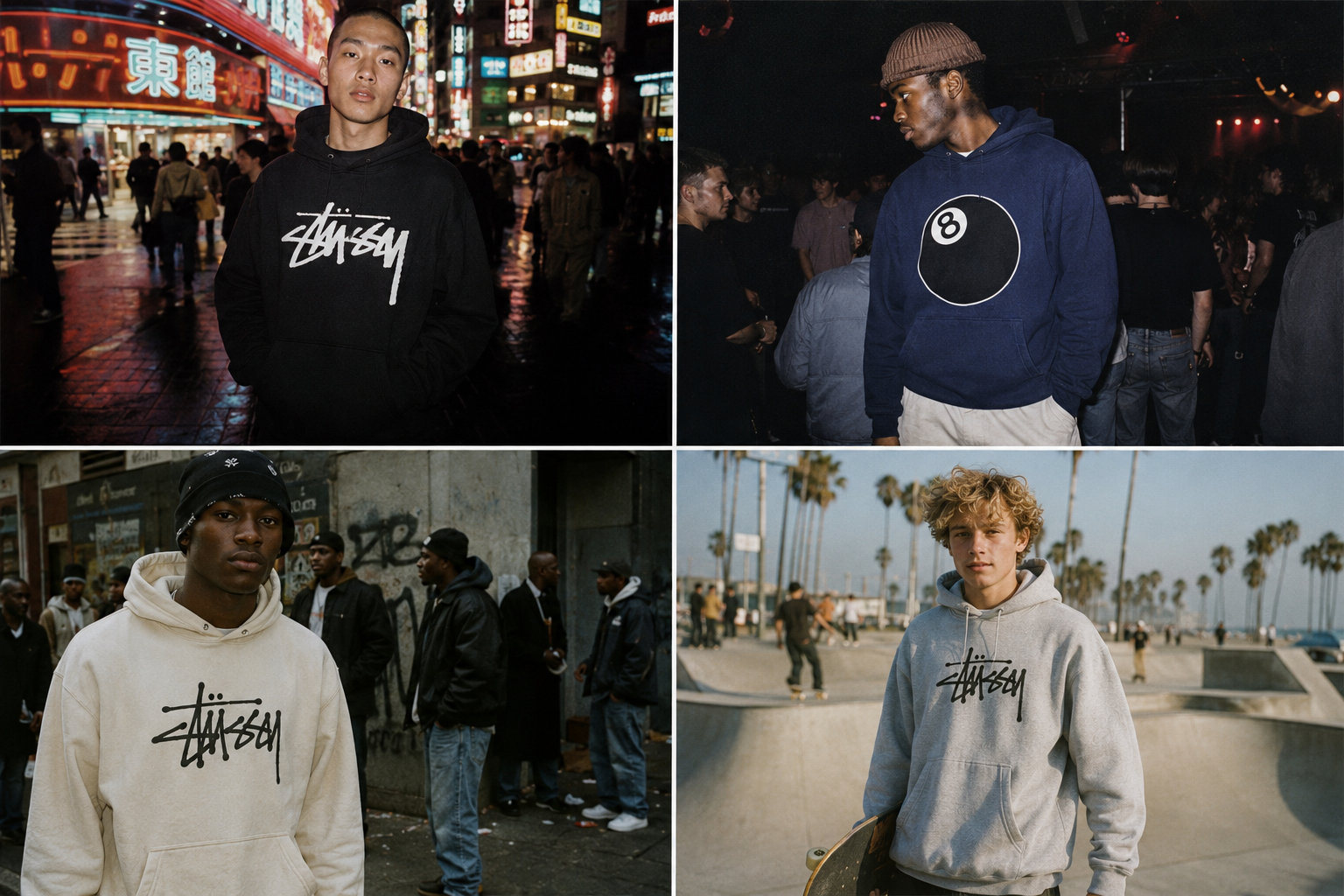
Streetwear Became Personal Instead of Just Fashion
Streetwear feels different from regular fashion because it usually connects to real lifestyles. Skateboarding, music, photography, and underground art scenes all helped shape the culture years before luxury brands noticed it. Even now, people often choose hoodies, denim, or sneakers because they match their personality instead of simply following trends. That emotional connection explains why the the Stussy collection still attracts both older fans and younger buyers today. The oversized hoodies, washed graphics, and relaxed fits feel natural instead of overly polished. I’ve noticed that heavyweight cotton changes the entire experience of wearing streetwear. Thin hoodies usually lose shape after a few washes, especially around the cuffs and collar. Heavier fabric behaves differently because it drapes more cleanly and softens slowly over time. Small details like reinforced stitching or garment-dyed cotton matter much more than flashy logos. You can often spot better construction by looking closely at the neckline or shoulder seams. Streetwear also became more flexible over the years. Someone can pair vintage denim with premium sneakers and a plain hoodie without worrying about strict fashion rules. That freedom keeps the culture alive. At the same time, not every trend lasts. Some graphic-heavy releases disappear quickly because they feel too connected to social media hype instead of everyday wear. Timeless streetwear usually works in real situations. You should feel comfortable walking through a city, sitting in a café, or traveling all day without constantly adjusting your outfit. That balance between comfort and identity keeps people returning to familiar brands.
Oversized Fits Changed Modern Style Completely
Fashion looked very different a decade ago. Slim jeans, fitted hoodies, and tighter silhouettes controlled most stores for years. Then relaxed fits returned through skate culture, music scenes, and vintage-inspired styling. Oversized clothing now dominates modern streetwear because it feels easier to wear and layer. A boxy hoodie creates softer proportions, while wide-leg denim balances sneakers better than skinny jeans. This shift also changed how fabrics are designed. Heavyweight cotton became more important because relaxed silhouettes need structure to avoid looking sloppy. I personally prefer slightly cropped oversized hoodies because they stack better over loose denim without swallowing the entire outfit. Good proportions matter more than extreme sizing. You also notice how muted colors became more common after oversized fashion grew popular. Washed black, faded gray, cream, and olive green layer naturally together without overwhelming the outfit. Another interesting detail involves movement. Relaxed clothing feels more natural during daily wear because the fabric flows instead of pulling tightly across the body. Streetwear brands understood this years ago, especially those connected to skateboarding and music culture. However, oversized fits still require balance. Extremely baggy clothing can lose shape quickly if the fabric weight feels too thin. That problem appears often in cheaper fast-fashion pieces. Better streetwear brands usually combine heavier fleece, wider sleeves, and structured shoulders to maintain cleaner silhouettes. Sneakers also changed alongside these trends. Chunkier shoes now balance wider pants more effectively, while slim sneakers often look too small under oversized fits. Even accessories shifted. Crossbody bags, fitted caps, silver jewelry, and layered outerwear now support relaxed silhouettes naturally without overpowering the overall outfit.
What Makes Streetwear Feel Authentic Today
Authenticity matters more in streetwear than people sometimes realize. Buyers can usually tell when a brand follows trends instead of building a real identity. Authentic clothing often feels connected to music, skateboarding, art, or daily life instead of only chasing online attention. Several important details usually separate genuine streetwear from temporary fashion trends:
-
Consistent sizing across collections
-
Durable heavyweight fabric construction
-
Graphics connected to a real creative identity
-
Natural color palettes instead of loud trend colors
-
Comfortable fits designed for regular wear
Those details help explain why many people continue searching for la colección Amiri when building luxury-inspired streetwear outfits. Distressed denim, layered hoodies, and oversized silhouettes still work naturally in everyday fashion because they balance comfort with visual identity. At the same time, authenticity doesn’t mean perfection. Some brands release repetitive collections after becoming too popular. That limitation appears across many large streetwear labels today. Still, people appreciate garments that age well over time. Washed graphics, faded cotton, and softened fleece often improve visually after months of regular wear. I once compared two heavyweight hoodies after six months of use, and the better one still held shape perfectly around the cuffs and shoulder seams. Cheap cotton rarely survives that well. Another important factor involves styling. Authentic streetwear rarely feels forced. The strongest outfits usually appear effortless, even when the details are carefully chosen. That relaxed energy keeps streetwear culturally important while many fast-moving fashion trends disappear quickly.
Luxury Fashion Started Borrowing Street Culture
Luxury fashion ignored streetwear for years because oversized hoodies and skate shoes didn’t fit traditional designer aesthetics. Then younger buyers changed the market completely. They wanted comfortable clothing that still felt expressive and premium. Luxury brands responded by introducing distressed denim, oversized outerwear, graphic hoodies, and relaxed tailoring into their collections. That shift blurred the line between luxury and casual fashion. Streetwear suddenly appeared beside expensive runway pieces, yet the cultural influence still came from music, skating, and underground scenes. Fabric quality became a major selling point during this transition. Buyers started paying closer attention to fleece density, garment dye processes, and stitching durability instead of only logos. Heavyweight hoodies became especially important because they combined comfort with structure. Good fleece feels softer while maintaining shape through repeated wear. I think people underestimate how much tactile experience affects clothing value. The feel of dense cotton or brushed interiors often changes someone’s opinion immediately after touching a garment in person. Luxury-inspired streetwear also changed shopping habits. Many people now build smaller wardrobes filled with versatile pieces instead of buying large amounts of trend-driven clothing. Neutral hoodies, relaxed denim, clean sneakers, and layered outerwear remain useful across different seasons. Social media accelerated this shift, but real-life wearability still matters most. Clothing can look impressive in edited photos yet feel uncomfortable after several hours. That gap between appearance and functionality pushed buyers toward better construction and more timeless silhouettes. Even today, the strongest streetwear pieces usually combine premium quality with relaxed styling instead of relying entirely on branding or hype culture.
Fabric Quality Usually Decides Long-Term Value
A hoodie might look good online, but fabric quality decides whether someone keeps wearing it months later. Better construction changes everything from warmth to durability and overall comfort. Premium streetwear usually focuses heavily on materials because oversized fits need stronger structure to hold shape properly. Several details often reveal higher-quality garments immediately:
-
Dense cotton fleece with noticeable weight
-
Reinforced shoulder and side seams
-
Ribbed cuffs that stay tight after washing
-
Garment-dyed finishes for softer fading
-
Double stitching near hems and pockets
Those features explain why many buyers search for the Mixed Emotion collection instead of choosing cheaper alternatives with thinner fabric. Good construction becomes obvious after repeated wear. Lower-quality hoodies often pill near the sleeves, lose shape around the neckline, or twist after washing. Better cotton ages more naturally and develops softer texture over time. However, quality alone doesn’t guarantee great style. Some expensive garments still feel lifeless if the design lacks personality. Streetwear works best when durability, comfort, and visual identity support each other naturally. Small details also influence perception more than people expect. A heavy zipper pull, faded wash, or slightly brushed fleece lining can completely change how premium a garment feels. I’ve also noticed that heavyweight hoodies photograph differently under natural lighting because the thicker fabric creates cleaner folds and shadows. That visual depth partly explains why oversized streetwear appears so strong in editorials and social media photography today.
Social Media Changed How People Discover Fashion
Streetwear once spread slowly through skate videos, music scenes, magazines, and local stores. Social media changed everything. Now a hoodie can become globally popular within days after appearing in a viral video or influencer post. Platforms like Instagram and TikTok made fashion more accessible, but they also created faster trend cycles. You often see identical outfits repeated across thousands of accounts. That repetition pushed many people toward smaller brands or more personal styling choices. Interestingly, buyers now pay closer attention to texture, fit, and layering because phone cameras capture clothing details clearly. Heavyweight cotton, faded graphics, and oversized silhouettes usually photograph better than thin fabrics or tight fits. Product photography also became more important. Experienced shoppers often zoom into fabric shots to judge quality before purchasing. I usually look at sleeve drape and collar thickness first because those details reveal construction quality quickly. Social media also helped vintage fashion return strongly. Washed hoodies, distressed denim, and faded sneakers now feel more authentic than perfectly clean outfits. Yet online hype doesn’t always translate into long-term value. Some heavily promoted pieces disappear after a few months because they lack comfort or durability. Timeless essentials usually survive longer because they work naturally in daily life. Another interesting change involves seasonal dressing. Hoodies no longer belong only to winter wardrobes. People now pair oversized hoodies with shorts, cargos, or lightweight outerwear throughout the year. Streetwear became more flexible and less restricted by traditional seasonal fashion rules.
Music and Skateboarding Still Influence Streetwear Deeply
Music and skate culture continue shaping streetwear more than luxury campaigns ever could. Artists, skaters, photographers, and underground creatives helped build the culture decades ago, and their influence remains visible today. Loose pants, heavyweight hoodies, skate shoes, and layered jewelry often become popular after appearing naturally in music videos or street photography. Skateboarding especially affected fit and durability standards. Skaters needed clothing that allowed movement and survived rough surfaces. That practical side explains why relaxed silhouettes became so important. Oversized hoodies feel comfortable during movement, while wider denim stacks naturally over sneakers without restricting mobility. Artistic influence matters too. Hand-drawn graphics, vintage-inspired prints, and faded washes usually feel more human than overly polished designs. Some brands lose authenticity when they focus too heavily on hype instead of creativity. Simpler pieces often age better visually because they don’t rely on temporary trends. Another thing I appreciate about streetwear is the freedom to mix influences naturally. Someone can combine luxury sneakers with vintage denim and a plain hoodie without breaking any real rules. That flexibility keeps the culture fresh even when trends become repetitive. Physical stores still matter as well. Feeling the density of heavyweight cotton or checking stitching details in person changes buying decisions immediately. Online images rarely capture fabric texture accurately. The smell of fresh fleece lining, the weight of thick cotton, and the softness inside a premium hoodie create a connection that digital shopping can’t fully replace.
Timeless Streetwear Usually Outlasts Online Trends
Fashion trends move incredibly fast now, especially online. One hoodie design might dominate social media for a month and disappear shortly afterward. Timeless streetwear survives because it focuses on comfort, durability, and versatile styling instead of temporary attention. Neutral hoodies, heavyweight fabrics, relaxed fits, and clean sneakers continue working year after year because they fit naturally into different wardrobes. Many people eventually stop chasing every trend because constant buying becomes exhausting. Instead, they build smaller collections around reliable essentials. A faded black hoodie, relaxed denim, and simple sneakers often feel more stylish long term than loud graphic-heavy outfits tied to short-lived trends. Timeless pieces also develop personality through wear. Good cotton softens gradually, denim fades uniquely, and heavyweight fleece molds naturally to movement over time. Cheap garments rarely age that way because thinner fabric breaks down too quickly. Emotional connection also plays a role. People remember the hoodie they wore during concerts, late-night drives, skate sessions, or trips with friends. Clothing becomes attached to memories. That personal history matters more than online hype. Timeless streetwear doesn’t need to look boring either. Subtle distressing, washed textures, oversized proportions, and layered styling still create individuality without feeling forced. The strongest outfits usually appear effortless even when the details are carefully chosen. Trends will keep changing, but authentic design, durable construction, and personal expression will probably remain central to streetwear culture for years ahead.
Final Words
Streetwear continues evolving because it reflects real lifestyles instead of strict fashion rules. Oversized fits, heavyweight fabrics, faded washes, and layered styling remain popular because they feel comfortable and personal in daily life. While trends come and go quickly online, authentic design and strong construction still separate memorable pieces from forgettable ones. That balance between comfort, individuality, and durability keeps streetwear culturally important across music, skateboarding, fashion, and art.
FAQs
Why are oversized hoodies so popular in streetwear?
They feel comfortable, layer easily, and create relaxed silhouettes that fit modern styling trends.
What makes heavyweight hoodies better quality?
Heavyweight hoodies usually hold shape longer, feel warmer, and resist stretching after repeated washing.
Does expensive streetwear always mean better clothing?
No. Some premium brands focus mainly on branding, while others invest more in fabric quality and construction.
Why do faded and washed fabrics feel more authentic?
They often look more natural and develop character over time instead of appearing overly polished.
Can timeless streetwear still look modern years later?
Yes. Neutral colors, durable fabrics, and balanced fits usually stay wearable long after trends fade.

 English
 Arabic
 French
 Spanish
 Portuguese
 Deutsch
 Dutch
Dutch
 Italiano
 Russian
 Romaian
 Portuguese (Brazil)
 Greek
Greek