

India Spices Market Size, Share | Demand Forecast 2035
India Spices Market Overview
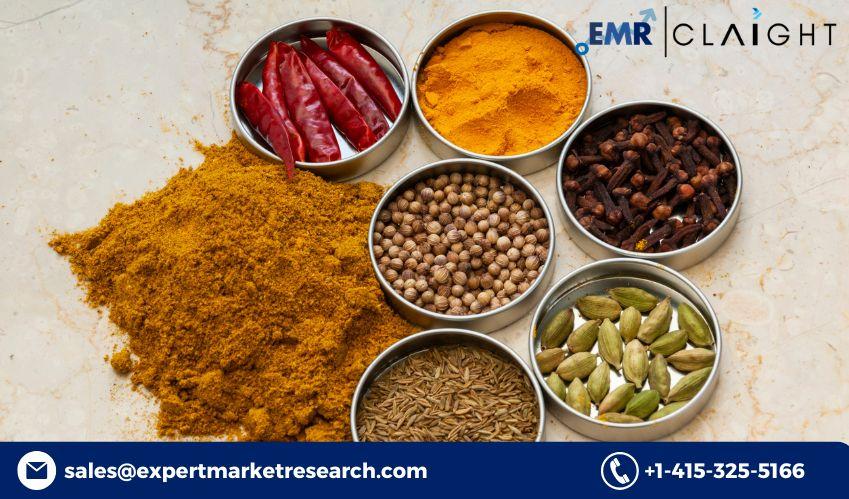
The India spices market occupies a unique and dominant position in the global food and agricultural economy. India is widely recognized as the “Land of Spices” due to its rich heritage of spice cultivation, consumption, and export. The country produces a diverse range of spices that are integral to domestic cuisine and international food industries. From turmeric and chilli to cumin, coriander, cardamom, and black pepper, Indian spices are valued worldwide for their quality, flavor, aroma, and medicinal properties.
India grows approximately 75 of the 109 spice varieties recognized by the International Organization for Standardization (ISO), highlighting its unmatched diversity in spice production. Turmeric, chilli, coriander, and cumin account for the highest export volumes, while premium spices such as cardamom and pepper command significant value in international markets. Notably, India contributes more than 80% of global turmeric production, reinforcing its leadership in the global spice ecosystem.
The India spices market size reached a value of INR 94,927.56 Crores in 2025 and is projected to grow at a robust CAGR of 9.20% during the forecast period of 2026–2035. By 2035, the market is expected to attain a value of approximately INR 228,885.72 Crores. Increasing domestic consumption, growing exports, rising demand for processed and packaged spices, expansion of the food processing sector, and the popularity of convenience foods are expected to drive sustained market growth over the coming decade.
Market Outlook
The outlook for the India spices market remains highly favorable due to strong domestic demand and expanding global consumption. Spices are an indispensable component of Indian households, restaurants, food processing industries, and pharmaceutical applications. The growing influence of Indian cuisine worldwide has significantly increased demand for authentic Indian spice products across developed and emerging markets.
India’s spice industry benefits from favorable climatic conditions, extensive agricultural expertise, and a large farming community engaged in spice cultivation. The country serves as both a major producer and exporter, supplying spices to markets across North America, Europe, the Middle East, Asia-Pacific, and Africa.
The organized segment is witnessing rapid expansion as consumers increasingly prefer branded, hygienically processed, and quality-certified spice products. Simultaneously, technological advancements in packaging, processing, grinding, and preservation techniques are helping manufacturers enhance product shelf life and maintain flavor consistency.
Government support through agricultural development initiatives, export promotion programs, and quality certification systems is further strengthening the competitiveness of India’s spice industry in global markets.
Key Market Trends
Rising Demand for Packaged and Branded Spices
Consumers are increasingly shifting from loose spices to branded and packaged products due to concerns regarding quality, hygiene, authenticity, and convenience. Leading brands are expanding their portfolios to cater to changing consumer preferences.
Growth of Blended Spice Mixes
Ready-to-use blended spice products designed for specific dishes are becoming increasingly popular among urban consumers. Products such as garam masala, biryani masala, pav bhaji masala, and curry blends are experiencing strong demand.
Expansion of E-Commerce Sales
Online grocery platforms and direct-to-consumer channels are transforming spice retailing. Consumers now have access to a wider variety of regional, organic, and premium spice products through digital platforms.
Rising Export Opportunities
Global demand for Indian spices continues to increase due to the popularity of ethnic cuisines, natural flavoring agents, and plant-based food products. Export-oriented manufacturers are benefiting from growing international consumption.
Growing Preference for Organic Spices
Health-conscious consumers are increasingly seeking organic and chemical-free spice products. Organic turmeric, cumin, coriander, and pepper are gaining popularity in both domestic and export markets.
Premiumization and Value Addition
Manufacturers are introducing premium spice offerings, specialty blends, single-origin products, and innovative packaging formats to attract discerning consumers and enhance profitability.
Get a free request sample report
Drivers of Market Growth
Strong Domestic Consumption
India remains one of the largest consumers of spices globally. The widespread use of spices in daily cooking continues to support stable market demand across all regions.
Expanding Food Processing Industry
The rapid growth of the food processing sector is increasing demand for spices as key ingredients in packaged foods, snacks, ready meals, sauces, seasonings, and beverages.
Rising Export Demand
Growing international demand for Indian cuisine and natural food ingredients is boosting spice exports, creating significant growth opportunities for domestic producers.
Urbanization and Changing Lifestyles
Busy lifestyles and increasing urbanization are encouraging consumers to purchase convenient packaged spice products and ready-made spice blends.
Increasing Disposable Income
Higher income levels are enabling consumers to spend more on premium and branded food products, including high-quality spices and specialty seasoning products.
Growing Health Awareness
Spices such as turmeric, ginger, black pepper, and cinnamon are increasingly recognized for their antioxidant, anti-inflammatory, and immunity-supporting properties, driving consumption among health-conscious consumers.
Market Segmentation
By Product Type
Pure Spices
Pure spices represent a significant segment of the market and include individual spice products such as turmeric powder, chilli powder, coriander powder, cumin seeds, pepper, and cardamom. Consumers seeking authenticity and flexibility in cooking continue to drive demand for pure spices.
Blended Spices
Blended spices are witnessing rapid growth due to their convenience and ease of use. These products combine multiple spices in carefully balanced formulations tailored for specific recipes and cuisines.
By Form
Packets
Packet-based packaging remains the most popular format due to affordability, convenience, portability, and widespread retail availability.
Sprinkler
Sprinkler packaging is gaining traction among urban consumers due to ease of usage, portion control, and enhanced product preservation.
Crusher
Crusher packaging is commonly used for premium spices such as black pepper and sea salt blends, allowing consumers to grind fresh seasoning directly onto food.
By Sector
Organised
The organised sector includes branded manufacturers that adhere to quality standards, modern packaging practices, and food safety regulations. This segment is growing rapidly due to increasing consumer trust and rising retail penetration.
Unorganised
The unorganised sector continues to hold a substantial market share, particularly in rural and semi-urban areas where consumers often purchase loose spices from local vendors.
By Application
Veg Curries
Vegetable-based dishes constitute a major application segment due to the extensive use of spices in traditional Indian cooking.
Meat and Poultry Products
Spices play a crucial role in flavoring meat preparations, marinades, processed meats, and poultry products.
Snacks and Convenience Foods
Growing demand for packaged snacks and ready-to-eat foods is driving significant consumption of spice blends and seasoning products.
Soups, Sauces, and Dressings
The food processing industry increasingly utilizes spices in sauces, soups, condiments, and dressings to enhance flavor profiles.
Bakery and Confectionery
Spices such as cinnamon, nutmeg, cardamom, and cloves are widely used in bakery and confectionery applications.
Frozen Foods
The expanding frozen food industry is creating new opportunities for spice manufacturers supplying flavoring ingredients.
Others
Additional applications include beverages, nutraceuticals, pharmaceuticals, cosmetics, and personal care products.
By End Use
Retail
The retail segment dominates the market due to widespread household consumption. Supermarkets, convenience stores, specialty retailers, and online platforms contribute significantly to retail sales.
Food Service
Restaurants, hotels, catering services, and institutional kitchens represent a growing end-user segment requiring large volumes of spices and seasoning products.
Regional Analysis
North India
North India is a major consumer and producer of spices, particularly coriander, cumin, fennel, and mustard. The region benefits from a strong food processing industry and extensive retail networks.
South India
South India plays a crucial role in spice cultivation, particularly for pepper, cardamom, turmeric, and cloves. The region contributes significantly to domestic consumption and export activity.
East India
Eastern India is witnessing growing demand for packaged spices due to increasing urbanization and expanding retail infrastructure.
West India
Western states such as Gujarat and Maharashtra are major hubs for spice production, processing, export activities, and branded spice manufacturing.
Key Players in the India Spices Market
The Indian spices market is highly competitive, with established national brands and regional players competing across various product categories.
Major companies operating in the market include:
-
Everest Food Products Pvt. Ltd.
-
Mahashian Di Hatti Pvt. Ltd.
-
Badshah Masala Private Limited
-
DS Group
-
Eastern Condiments Pvt. Ltd.
-
Aachi Masala Foods (P) Ltd
-
MTR Foods Pvt Ltd
-
Patanjali Ayurved Limited
-
Sakthi Masala Private Limited
-
ITC Limited
-
Ushodaya Enterprises Pvt. Ltd.
-
Tata Consumer Products Limited
-
Zoff Foods Private Limited
-
Goldiee Group
-
Ashok Masale
-
LIFESTYLE FOODS PVT LTD.
These companies are investing in product innovation, capacity expansion, digital marketing, export growth, and premium product development to strengthen their market presence.
Challenges and Opportunities
Challenges
The industry faces several challenges, including:
-
Fluctuations in agricultural output due to climate variability
-
Volatility in raw material prices
-
Supply chain disruptions
-
Intense competition from local and regional brands
-
Quality control and food safety compliance requirements
-
Counterfeit and adulterated products in unorganized markets
Opportunities
Key growth opportunities include:
-
Expansion of spice exports
-
Growth of organic and natural spice products
-
Increasing adoption of e-commerce channels
-
Rising demand for premium and specialty spices
-
Development of value-added spice blends
-
Growing food processing industry
-
Expansion into international ethnic food markets
-
Innovations in packaging and preservation technologies
Market Forecast
The India spices market is poised for significant growth over the forecast period. Valued at INR 94,927.56 Crores in 2025, the market is expected to expand at a CAGR of 9.20% between 2026 and 2035, reaching approximately INR 228,885.72 Crores by 2035.
This growth will be supported by rising domestic consumption, increasing export demand, urbanization, growth of the organized retail sector, expanding food processing industries, and greater consumer preference for branded and hygienically packaged spices. Furthermore, India's unparalleled production capabilities, leadership in turmeric exports, and expanding global influence in food markets position the country for continued dominance in the international spice trade. As manufacturers embrace innovation, sustainability, and premiumization, the Indian spices market is expected to remain one of the most attractive segments within the country's food and agriculture industry.
Frequently Asked Questions (FAQs)
1. What was the value of the India spices market in 2025?
The India spices market was valued at approximately INR 94,927.56 Crores in 2025.
2. What is the expected market value by 2035?
The market is projected to reach around INR 228,885.72 Crores by 2035.
3. What is the forecast CAGR of the India spices market?
The market is expected to grow at a CAGR of 9.20% during 2026–2035.
4. Which spices are India's major export commodities?
Turmeric, chilli, coriander, and cumin are the highest-volume export commodities, while cardamom and black pepper command premium prices in global markets.
5. What factors are driving growth in the India spices market?
Major growth drivers include rising domestic consumption, increasing exports, growth of the food processing industry, expanding organized retail, growing demand for convenience foods, and rising preference for branded and organic spice products.
Media Contact
Company Name: Claight Corporation
Contact Person: Deepanshu Choudhary, Business Consultant
Email: sales@expertmarketresearch.com
Toll-Free Number: US +1-415-325-5166 | UK +44-702-402-5790
Address: 30 North Gould Street, Sheridan, WY 82801, USA
Website: www.expertmarketresearch.com

 English
 Arabic
 French
 Spanish
 Portuguese
 Deutsch
 Turkish
 Italiano
 Russian
 Romaian
 Portuguese (Brazil)
 Greek
Greek